



Colby Powers the Future: Strategic Investments Position City for Long-Term Energy Independence
March 17, 2026
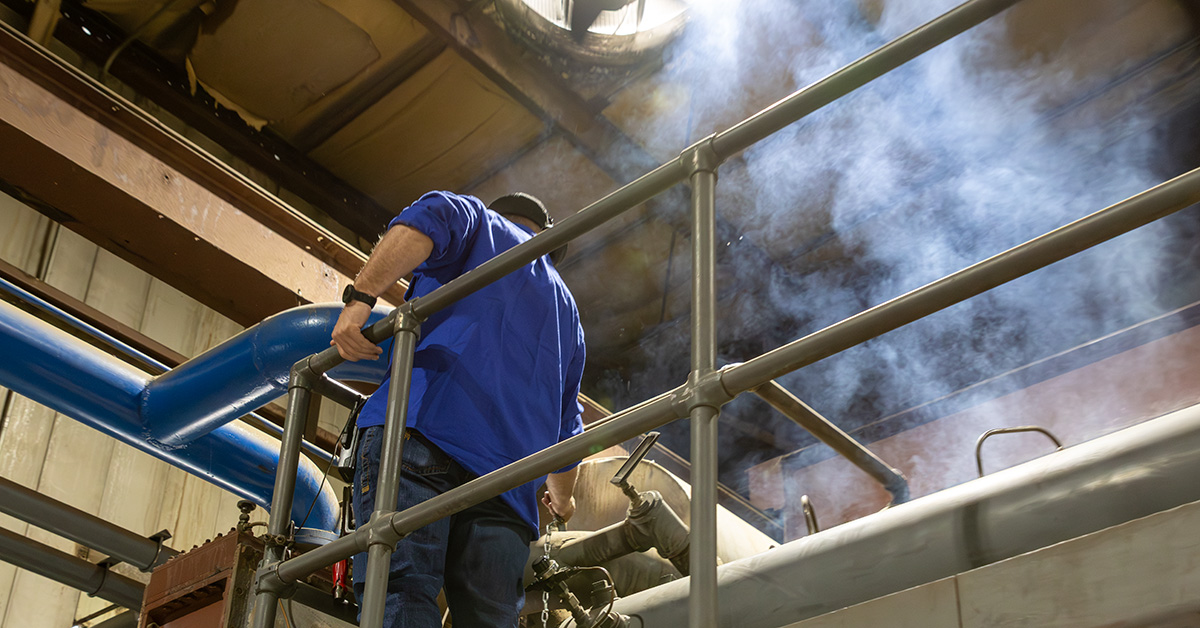
The City of Colby is quietly building an electrical system designed not just for today’s needs, but for decades into the future. Through a combination of long-term planning, strategic purchasing, and ongoing infrastructure upgrades, city leadership believes Colby is positioning itself to remain reliable and self-sufficient for as long as 40 years.
City Manager Ron Alexander, alongside Electric Utility Director Brad Davis and their teams, have spent years preparing for this moment. Rather than reacting to industry changes, the city has taken a proactive approach—setting aside funds and pursuing opportunities that would strengthen Colby’s energy independence and reliability.
Colby secured a rare opportunity to purchase six 2-megawatt used generators at a fraction of typical market cost. While a single new generator of similar capacity can approach $2.9 million, the city was able to acquire all six units for roughly $1.8 million total. At approximately $300,000 per unit, Davis described the deal as something that left other utility leaders across Kansas “dumbfounded,” noting many communities would have acted just as quickly if given the same opportunity.
The addition of these generators—combined with one more unit expected at the end of this year, will significantly expand Colby’s generation capacity. Once fully implemented, the city will be capable of producing around 30 megawatts of power at any given time. For context, Colby’s peak demand last year reached 16.6 megawatts, meaning the city is building well beyond its current needs with future growth in mind.
This article is brought to you by

Colby receives its primary electricity from Midwest Energy, entering the city at high voltage before being stepped down through substations and transformers to the levels used in homes and businesses. Power enters the system at approximately 34,500 volts and is gradually reduced to the familiar 120/240 volts used by residents.
That layered system is what allows Colby to efficiently distribute electricity across the community while minimizing strain on infrastructure.
The new generators serve as a critical backup and cost-control tool. In the event of an outage from Midwest Energy, Colby can generate its own electricity and continue operating independently. Additionally, during periods when market prices spike, the city can produce its own power rather than purchasing expensive energy—saving residents significant costs.
“If Midwest can’t supply power for whatever reason, we want to be able to supply the entire city ourselves,” Davis explained during a recent power plant tour.
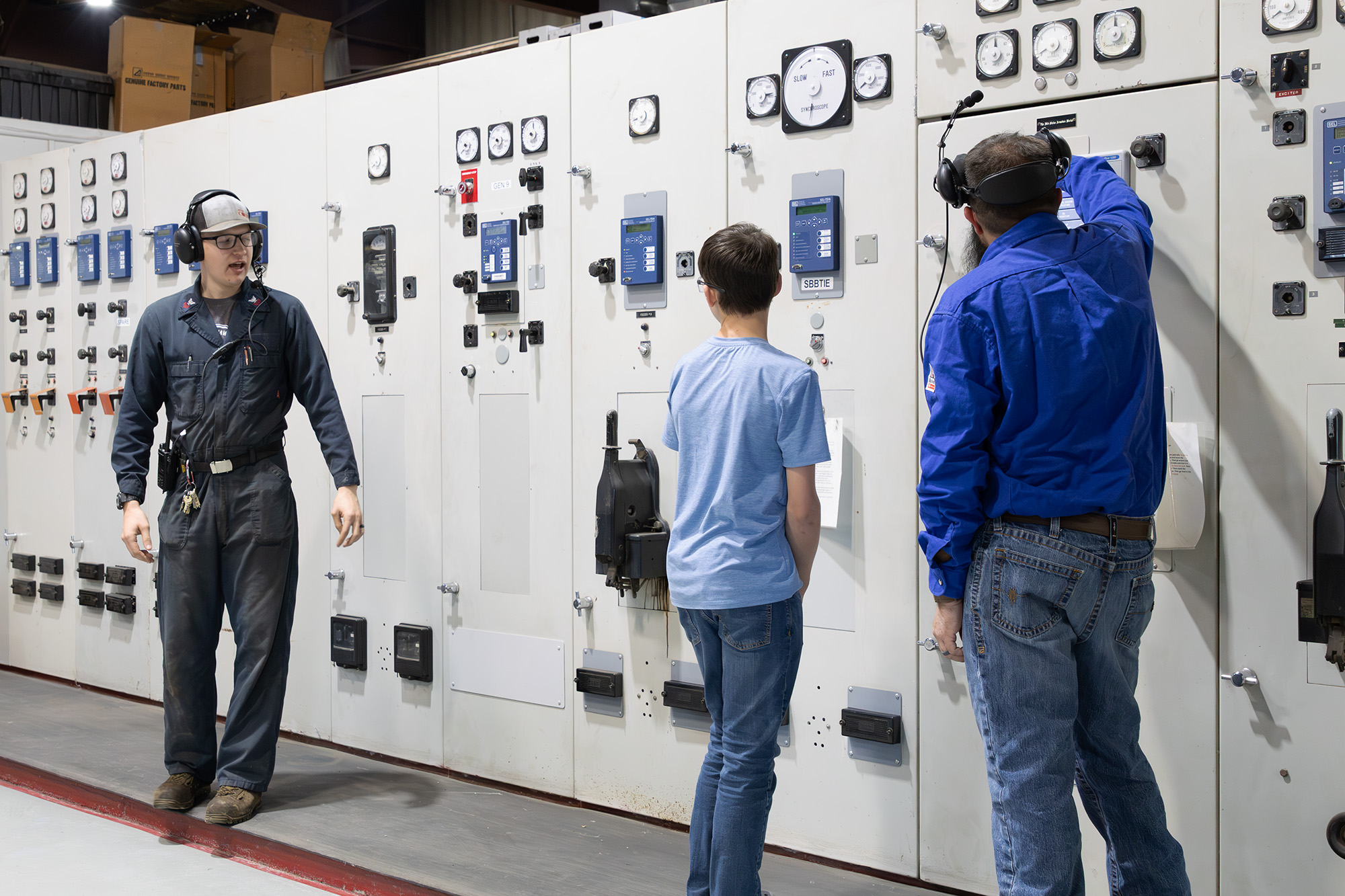
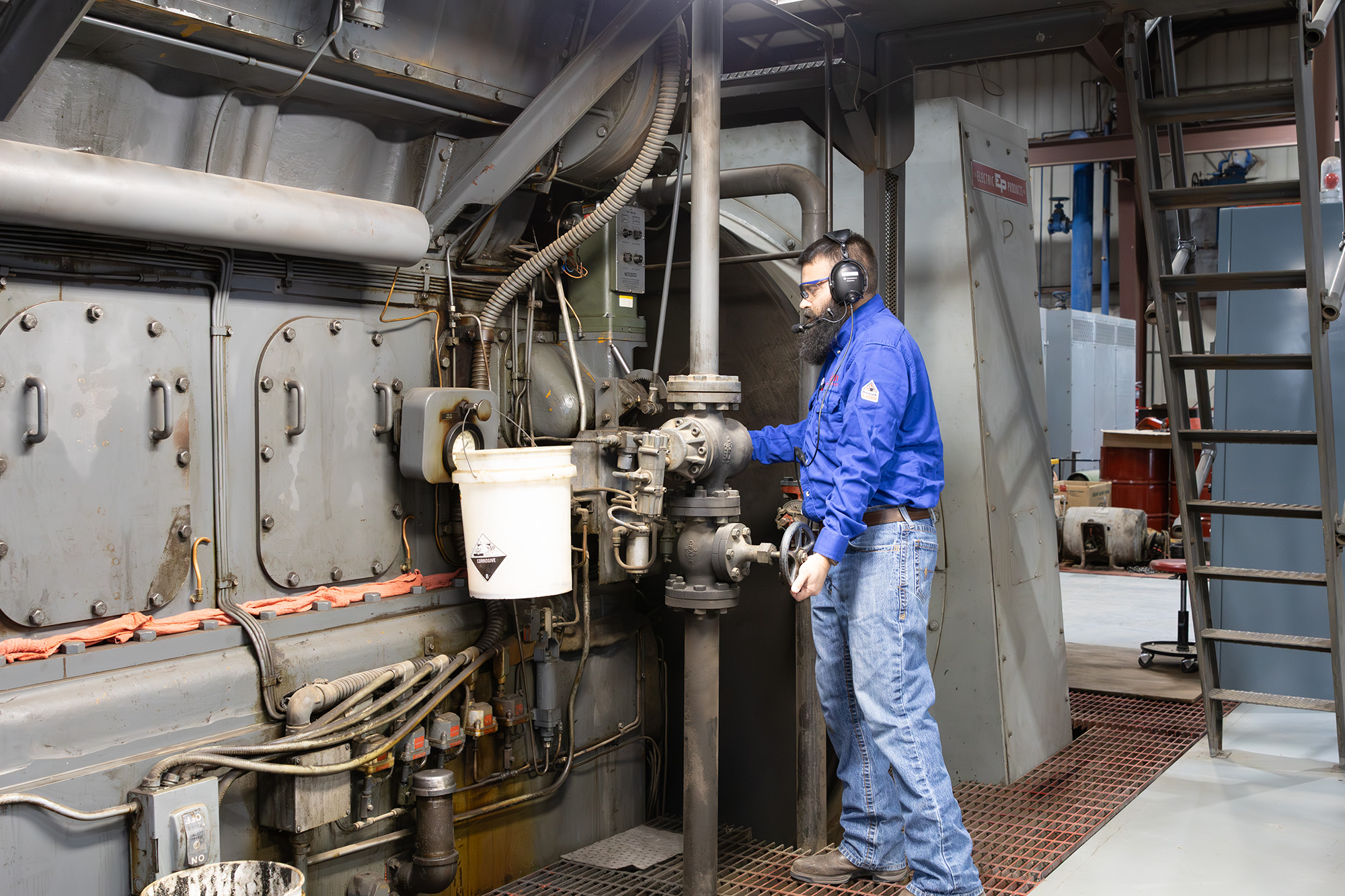
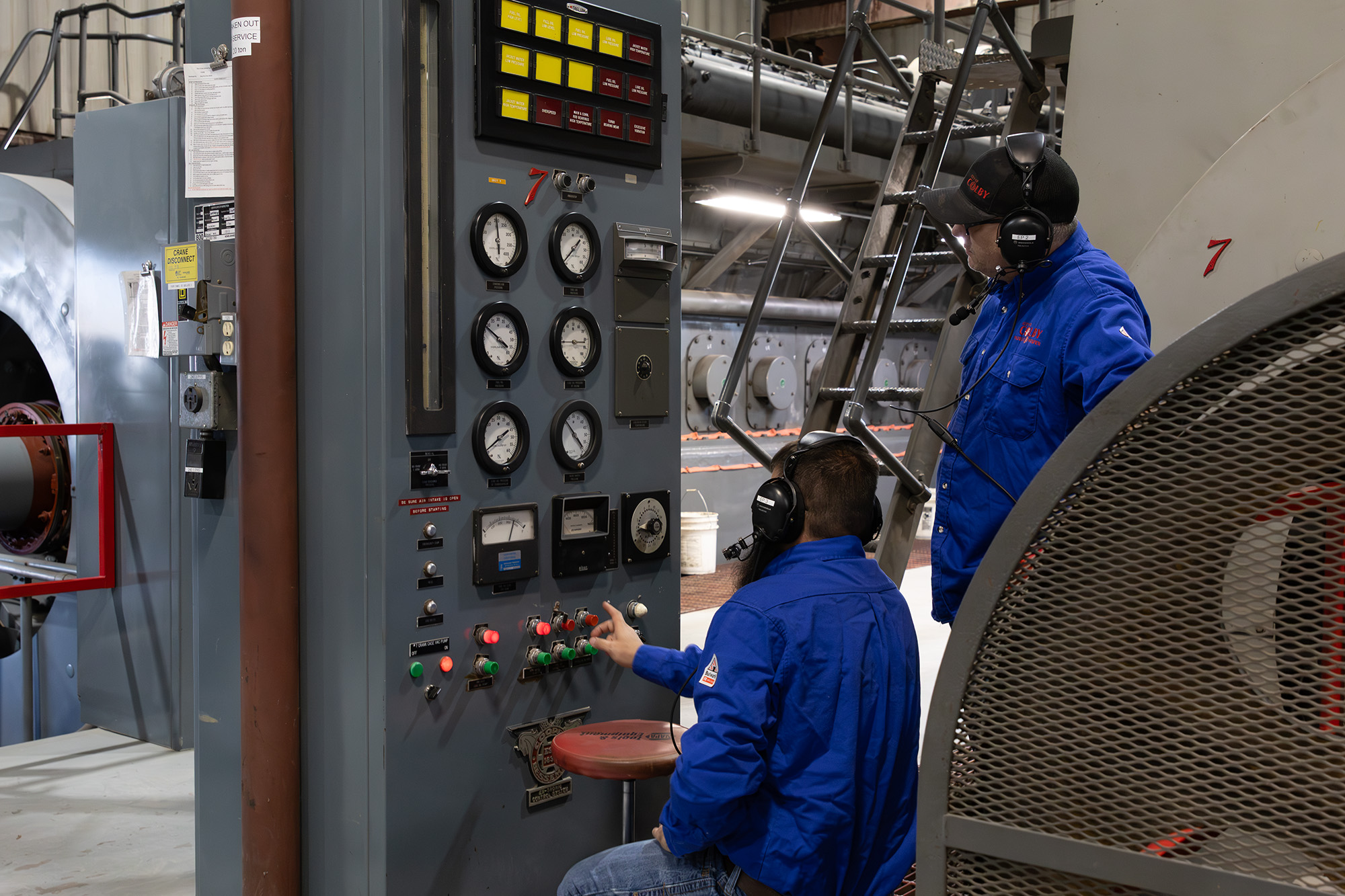
That reliability is tested regularly. The city currently operates six backup engines and runs weekly tests every Wednesday to ensure readiness. These exercises are part of a broader commitment to preparedness, including planned outage simulations that help crews refine response procedures and improve system performance.
Behind the scenes, a highly skilled and dedicated team keeps the system running day in and day out. Power plant operators Joshua Eisenbart, Will Smiley, and part-time operator Dawson Lemmer have invested countless hours into learning the complexities of the system and developing the ability to respond quickly when the community needs it most. Their expertise is not easily replicated, requiring both technical knowledge and hands-on experience to safely operate and manage the city’s generators.
Alongside them, six linemen work across the community to maintain and improve the distribution system. Together, these crews represent a level of commitment and professionalism that often goes unseen but plays a critical role in ensuring that Colby’s power remains reliable for every home and business.
Beyond generation, Colby is also investing heavily in its grid infrastructure. Crews have already replaced sections of underground wiring that were more than 60 years old, and ongoing projects aim to modernize older portions of the system to improve reliability and reduce outages.
Davis emphasized that while generation capacity is important, infrastructure upgrades are equally critical to long-term success.
“Everything we’re doing is about building for the future, so the next generation doesn’t have to worry about it,” he said .
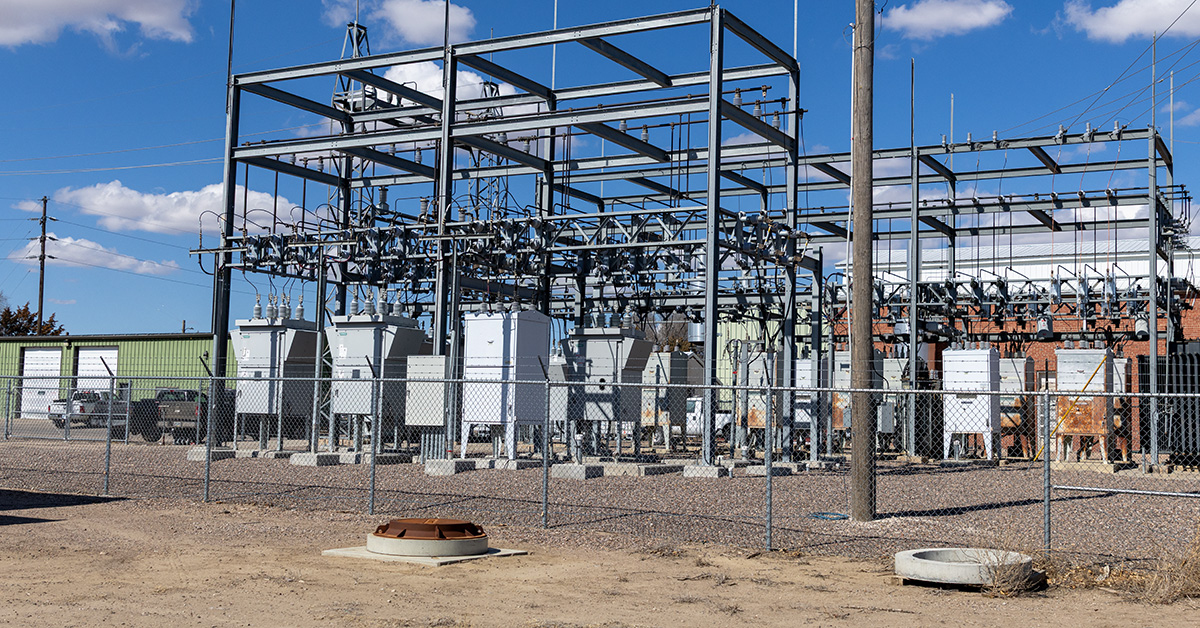
As part of that effort, the city continues to upgrade substations, convert aging electrical lines, and improve internal systems at the power plant, including water cooling and treatment systems that help protect equipment longevity.
For residents interested in learning more, the city offers weekly opportunities to tour the power plant. Community members are invited to attend Wednesday sessions at 1:30 p.m., with a request to call ahead so staff can prepare.
What may go unnoticed by most residents is the scale of what is being built. Through careful planning, strategic investment, and a commitment to staying ahead of industry changes, Colby is not just maintaining its electrical system—it is transforming it into one built to sustain the community for decades to come.