



Attorney General Kris Kobach Visits Colby Community College to Launch Naloxone Distribution Site
March 3, 2026
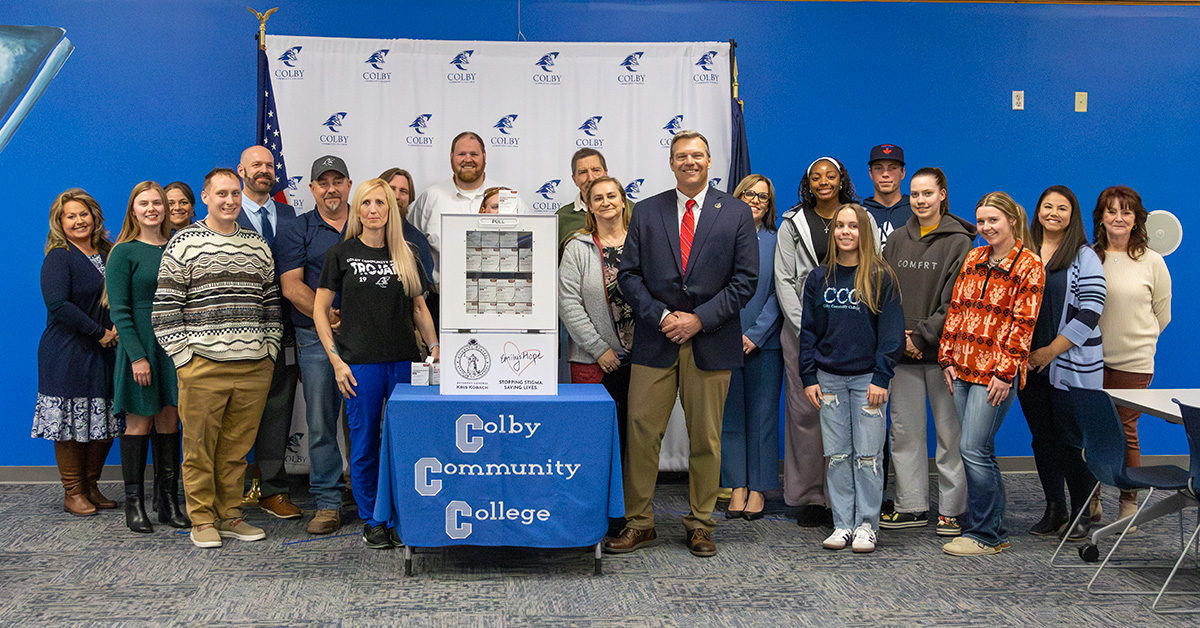
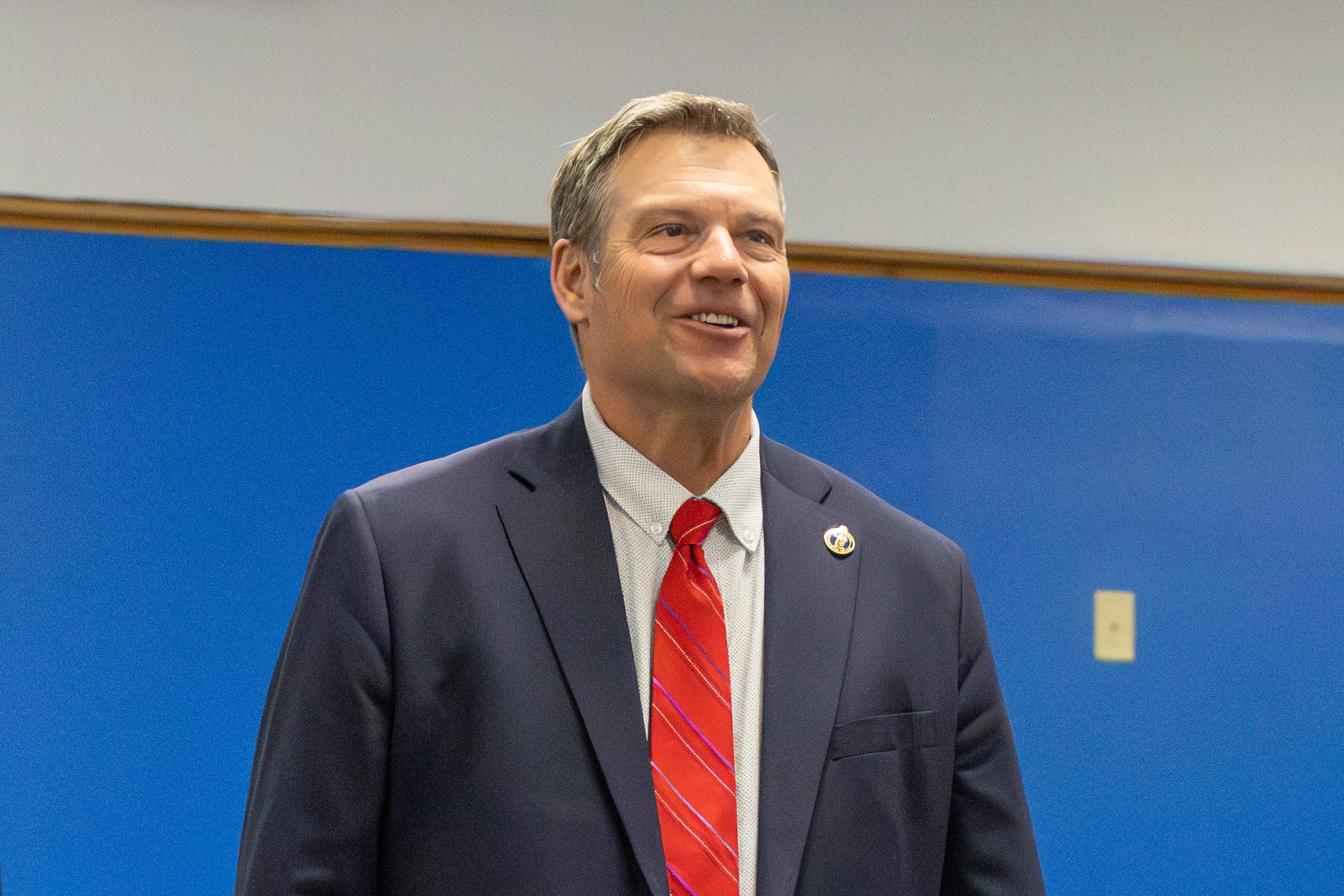
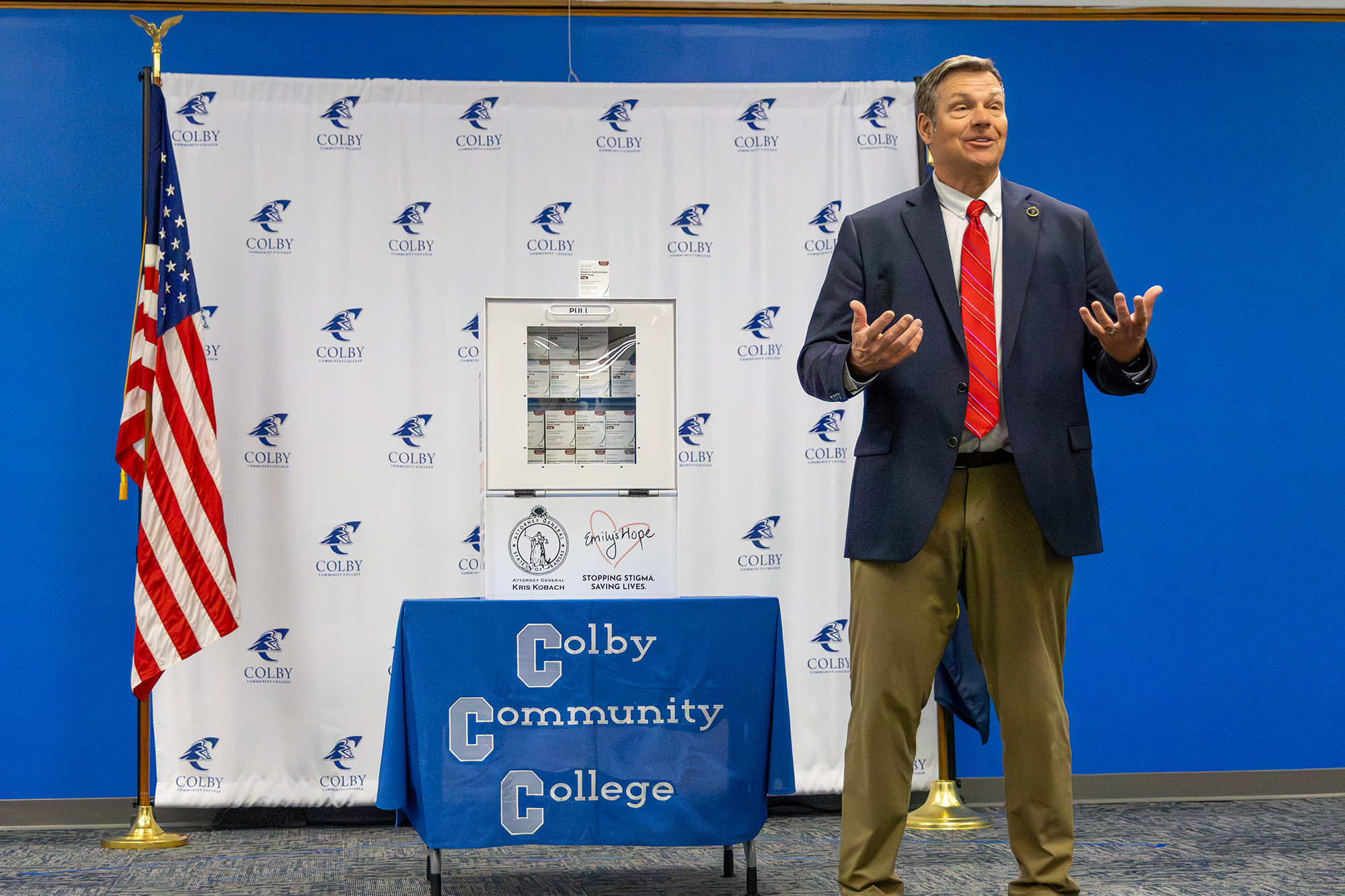
Kansas Attorney General Kris Kobach visited Colby Community College recently to install a new naloxone distribution box as part of a statewide effort aimed at reducing overdose deaths and increasing public access to life-saving medication.
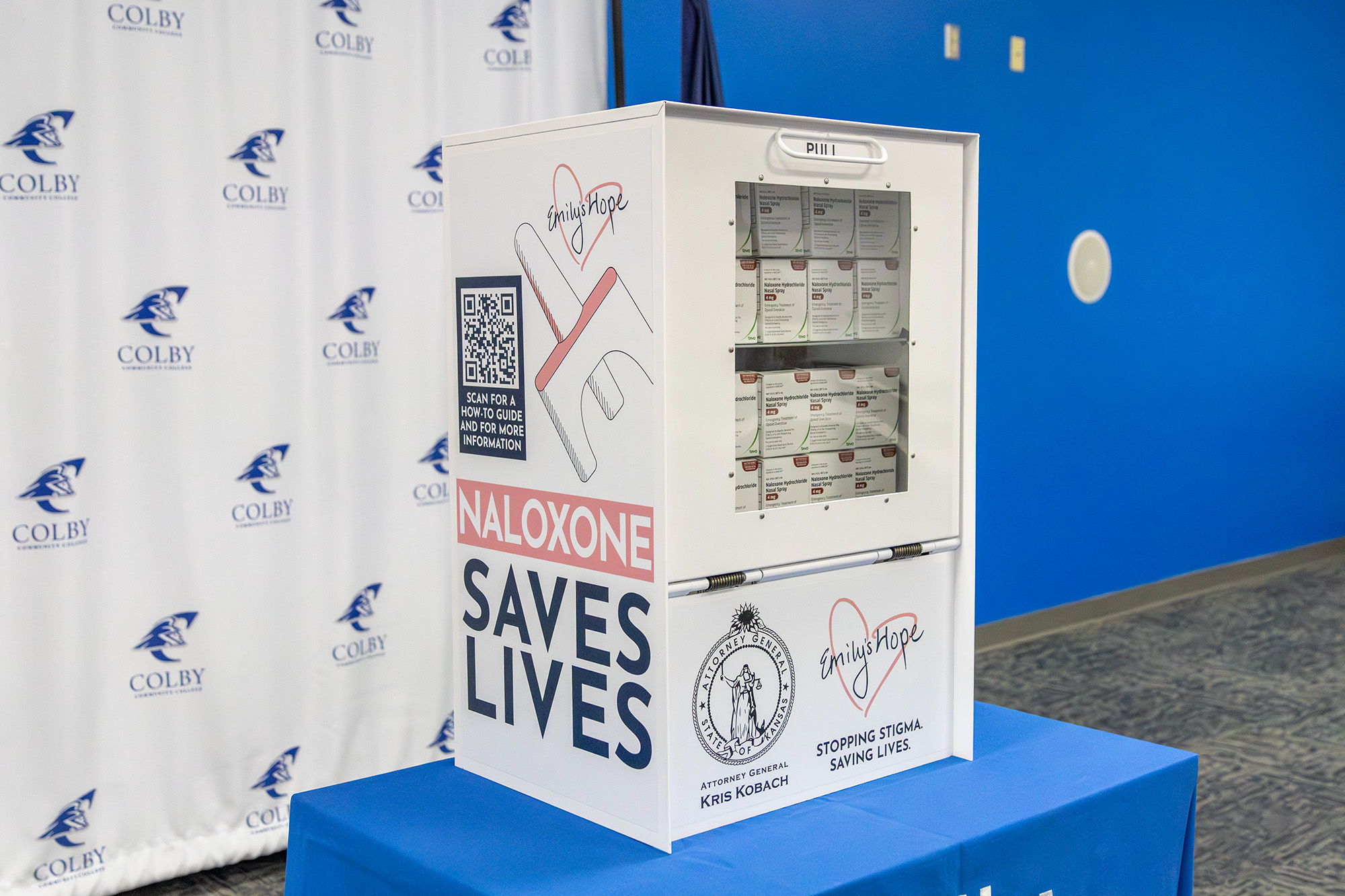
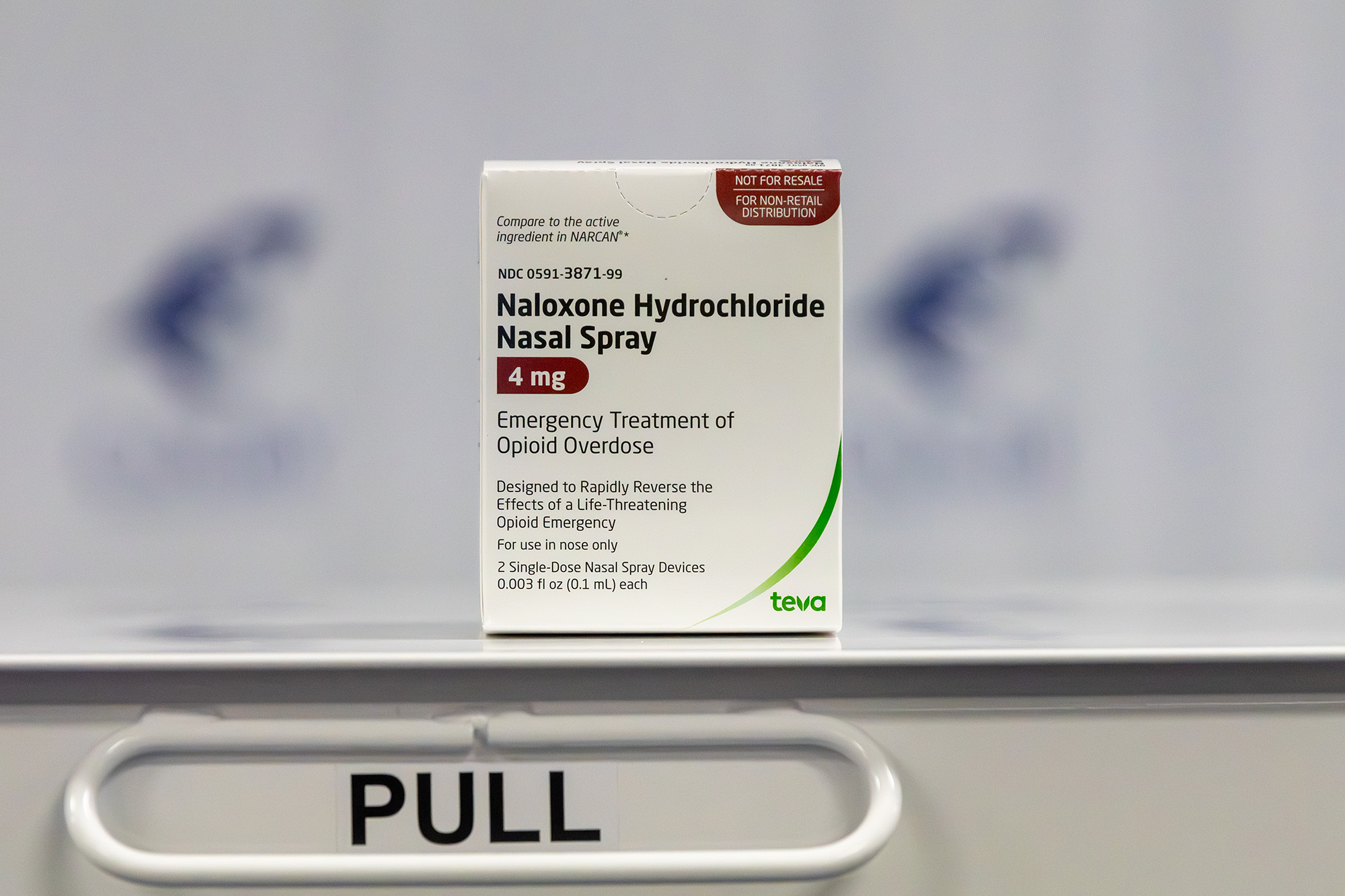
The initiative, known as the Emily’s Hope Naloxone Distribution Program, places publicly accessible boxes containing free doses of naloxone — commonly known by the brand name Narcan — at colleges and universities across Kansas. Naloxone is a medication designed to rapidly reverse opioid overdoses, including those caused by fentanyl.
During a brief presentation at the college, Kobach thanked Colby Community College administrators and staff for partnering with the state to host the distribution site.
“What this is, is a repurposed old-fashioned style newspaper stand,” Kobach explained. “But inside are lots and lots of free naloxone boxes like this one. Those, as you may know, are also known as Narcan.”
The program is designed to give the public easy access to the medication in case they encounter someone experiencing an overdose. Naloxone can reverse the effects of opioids if administered quickly, often restoring breathing within minutes.
Kobach emphasized that the medication is safe to administer and has no harmful side effects if used on someone who is not actually experiencing an opioid overdose. The product is an inhalant that others can easily administer to someone unconscious due to opioids.
“If somebody is having a fentanyl reaction or overdose and you give them naloxone within that window — within a few minutes after they start having a reaction — you can save their life,” Kobach said.
The attorney general encouraged Kansans to carry naloxone with them as a precaution, noting that overdoses can occur unexpectedly in public places.
“I have one in my pickup truck,” Kobach said. “I encourage everyone to grab one and keep it in your glove box, your purse, whatever. The chances are low for any one of us, but if there are hundreds of us carrying these around the state, one of us might be near somebody when they’re having that reaction and we can save a life.”
Health officials say recognizing the signs of a fentanyl overdose quickly can be critical in saving a life. Common symptoms include slow, shallow, or stopped breathing, extreme drowsiness or unconsciousness, and an inability to wake the person even when shaken or shouted at. The individual’s pupils may appear very small, their skin can become pale, bluish, or clammy, and choking or gurgling sounds may occur as breathing becomes restricted. If these symptoms are present, experts advise calling emergency services immediately and administering naloxone if it is available, as the medication can rapidly reverse the effects of opioid overdose.
According to Kobach, the state plans to install approximately 40 naloxone distribution boxes across Kansas, with community colleges and universities selected because they are public locations that are easily accessible.
“These locations are places people know where to go,” he said, adding that the program is intended for both students and members of the public.
The effort comes amid ongoing concerns about fentanyl, a powerful synthetic opioid that has been responsible for a rising number of overdose deaths across the country. Kobach said many victims unknowingly consume fentanyl when counterfeit pills are sold as legitimate medications such as Xanax or Percocet.
“Far too many of the people who have died are high school or college students,” he said.
To combat the growing crisis, Kobach outlined several additional initiatives underway in Kansas, including the deployment of specialized fentanyl-detection dogs that assist law enforcement in intercepting drug shipments and new legislative efforts to increase penalties for fentanyl trafficking.
“For the first time in several years, fentanyl deaths decreased by about 17 percent,” he said, expressing hope that expanded prevention and intervention efforts will continue to reduce fatalities.
Through the Emily’s Hope program, the state also distributes naloxone kits at major public events and promotes awareness campaigns encouraging residents to learn how to recognize an overdose and respond quickly.
The newly installed box at Colby Community College will be regularly restocked, allowing anyone in the community to pick up a naloxone kit free of charge. The boxes are expected to be placed in the campus library.
Kobach said the concept is similar to the growing presence of automated external defibrillators placed in public spaces.
“You want to be near one if someone is having a heart attack,” he said. “This is the same idea — getting these tools out where people can access them and save lives.”
The installation at Colby Community College represents one of dozens of locations statewide that will help expand access to overdose-reversal medication as Kansas continues its efforts to reduce fentanyl-related deaths.