



Kansas Court of Appeals Brings Live Oral Arguments to Colby Community College
April 14, 2026
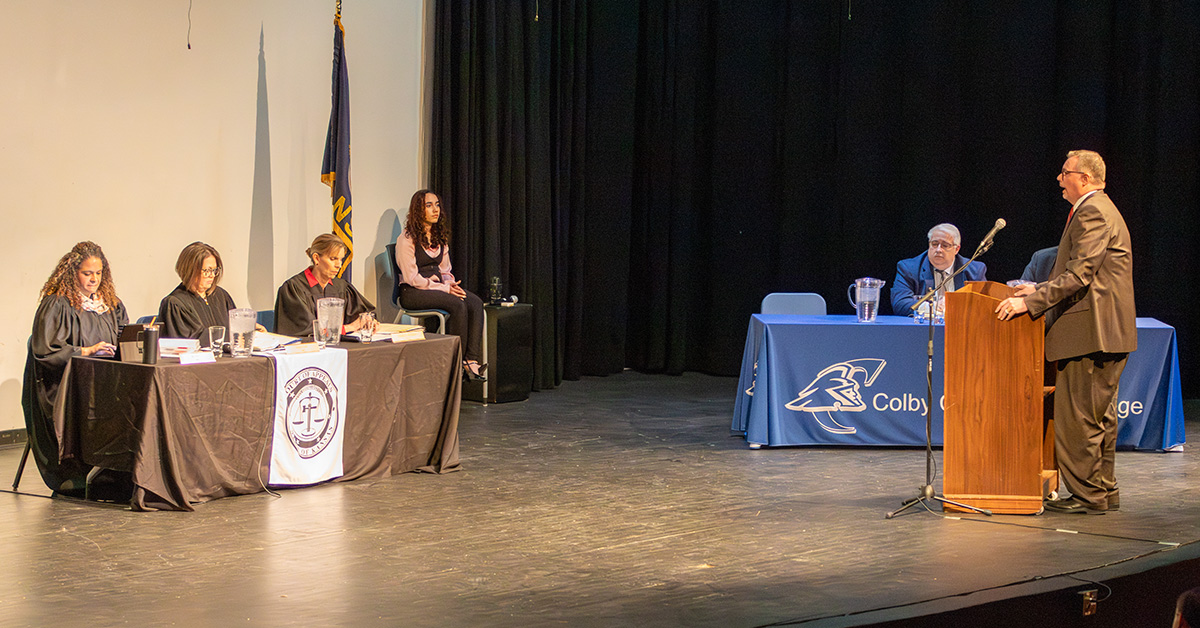
The Kansas Court of Appeals turned the Frahm Theater at Colby Community College into a working courtroom on April 14, offering students and community members a front-row seat to the appellate process in action.
Beginning at 9:30 a.m., a three-judge panel made up of Angela Coble, Jacy Hurst, and Paula Hofaker heard arguments in two cases, transforming the theater into a setting where legal theory met real-world consequences. Nearly 100 students from Heartland Christian, Brewster, and CCC filled the seats, watching as attorneys and judges engaged in a structured, yet conversational exchange that defines appellate law.
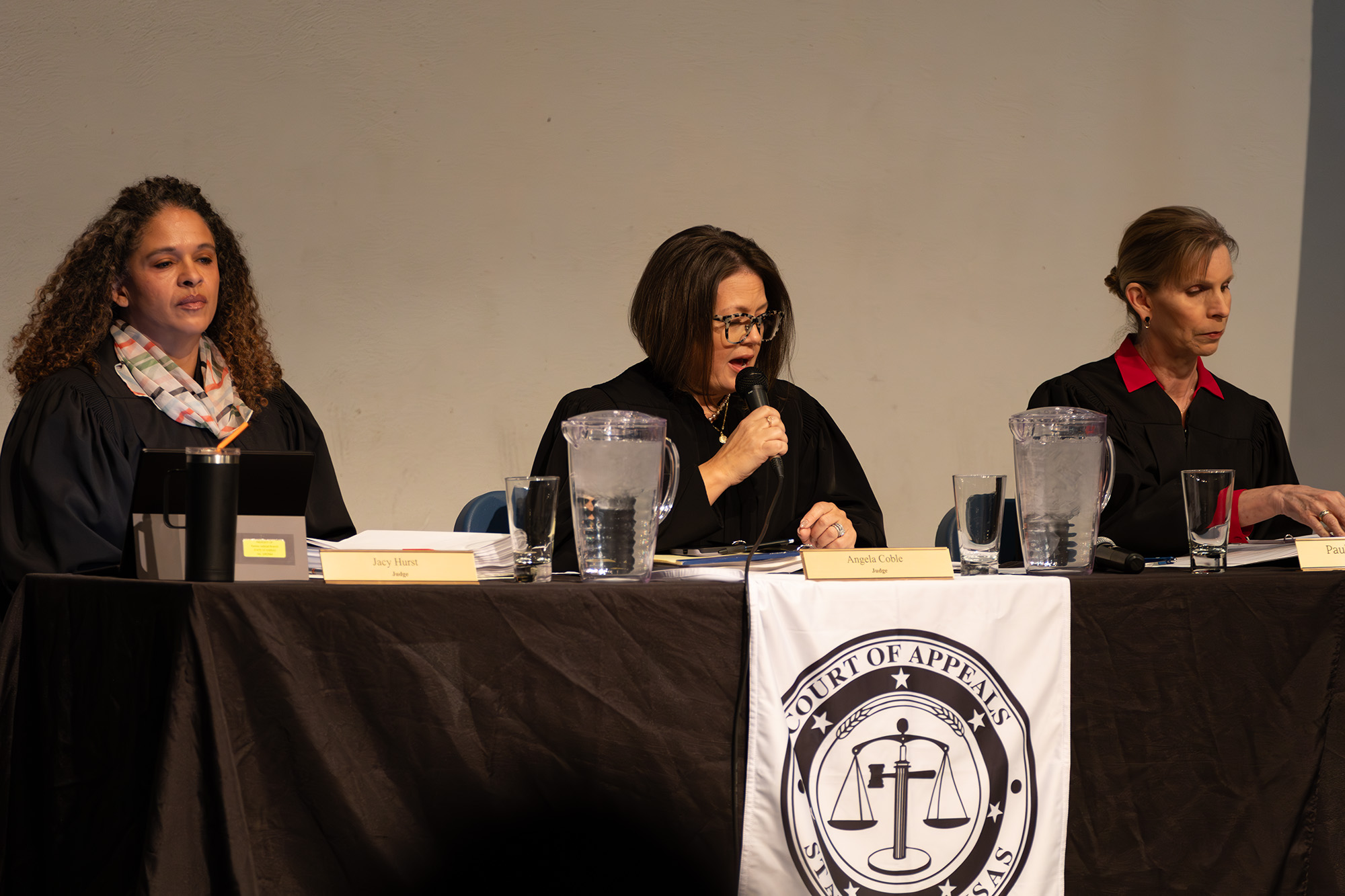
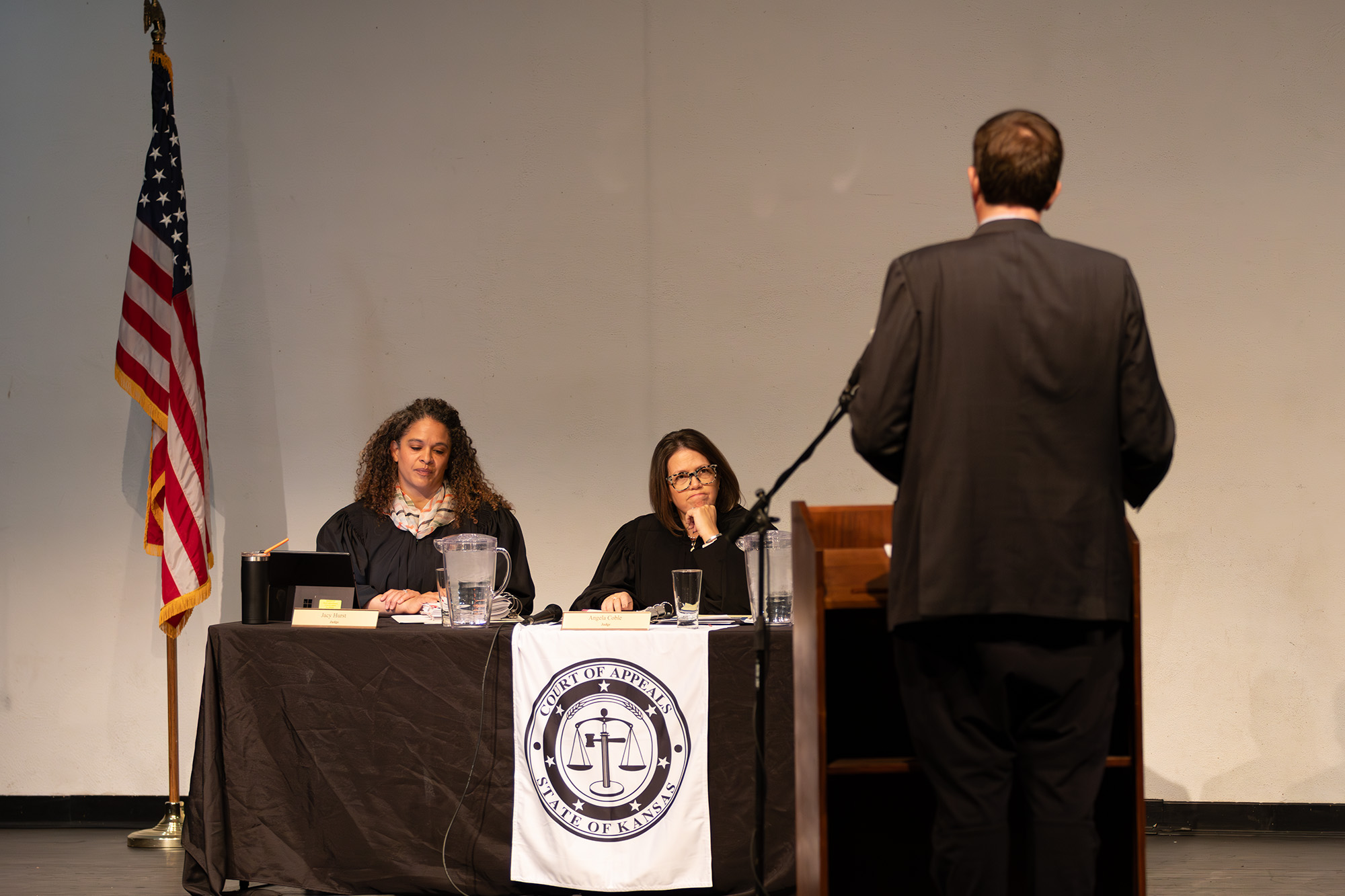
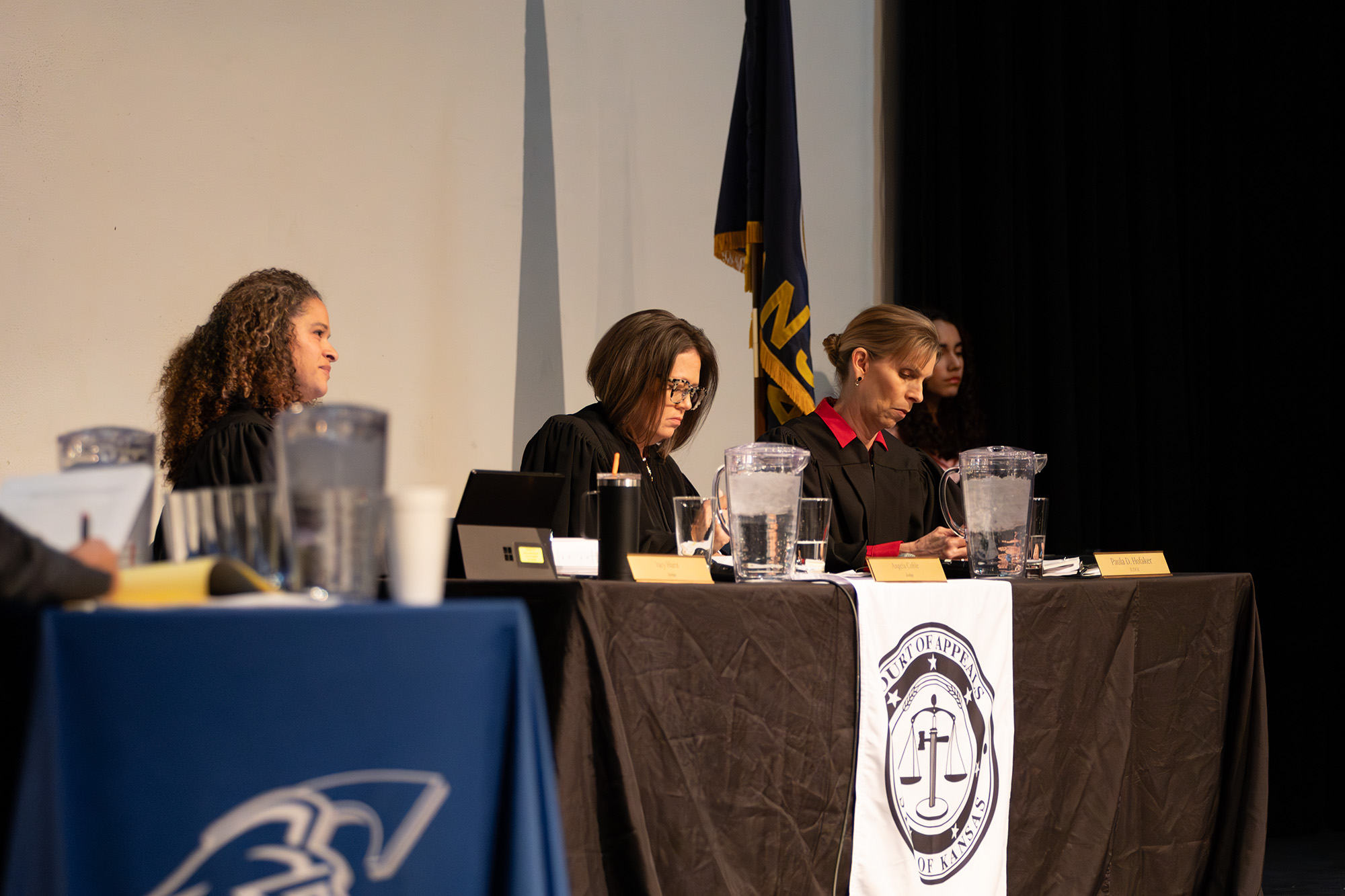
Unlike trial courts, where evidence and testimony take center stage, the focus here was on interpretation—how laws were applied and whether errors were made in earlier rulings. Judges interrupted frequently, pressing attorneys to clarify arguments, challenge assumptions, and defend the legal foundation of their claims.
The first case, a civil dispute out of Trego County, centered on the handling of the Max Hacker Family Trust. What unfolded was a deeply personal legal battle between a widow and her children, tied to the management and transfer of land following the death of the family’s patriarch. The daughter alleges a breach of fiduciary duty, claiming assets were removed from the trust and placed elsewhere without value. The widow’s legal team countered that the actions were lawful and that the claim itself comes too late under the statute of limitations.
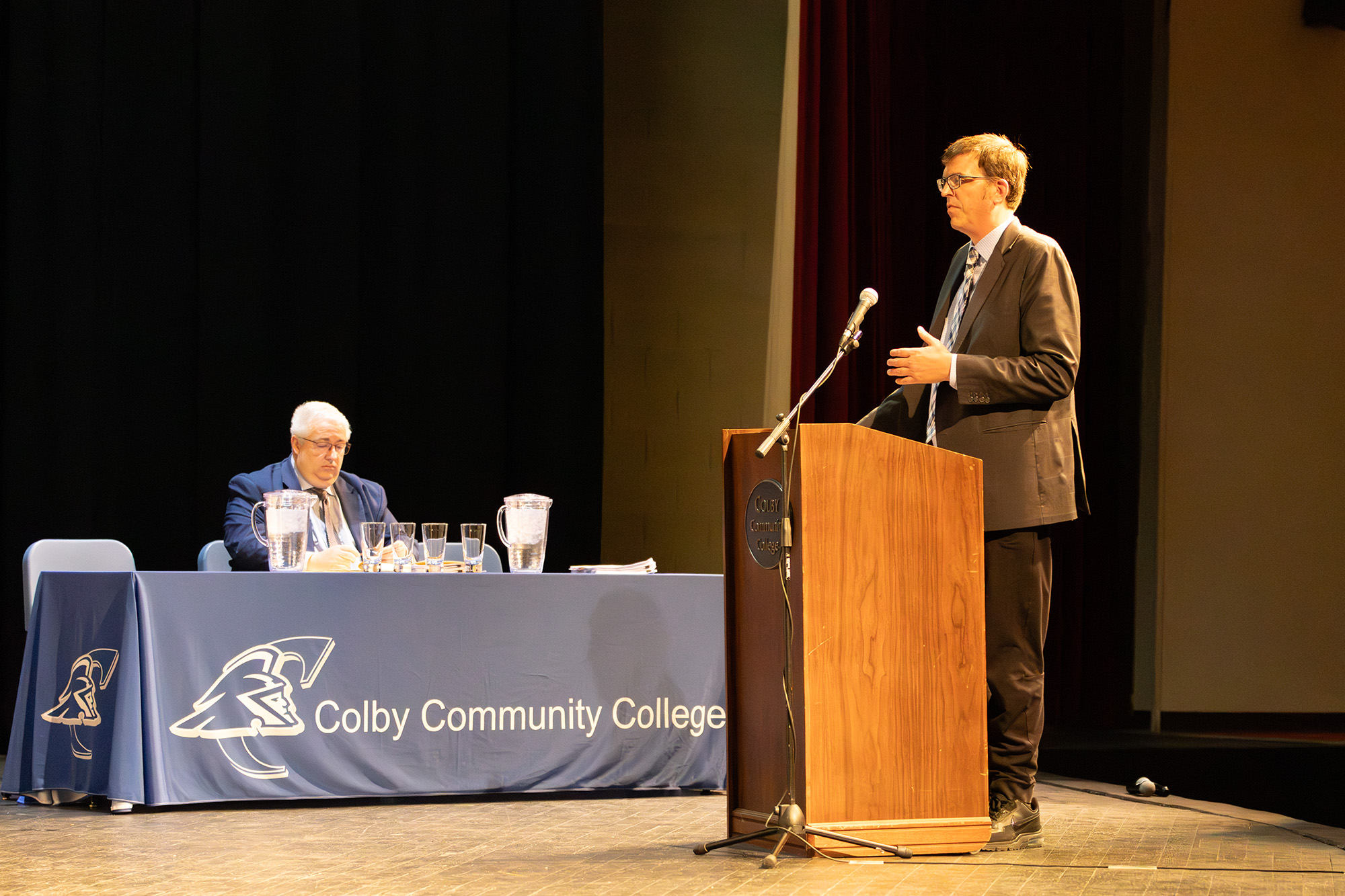
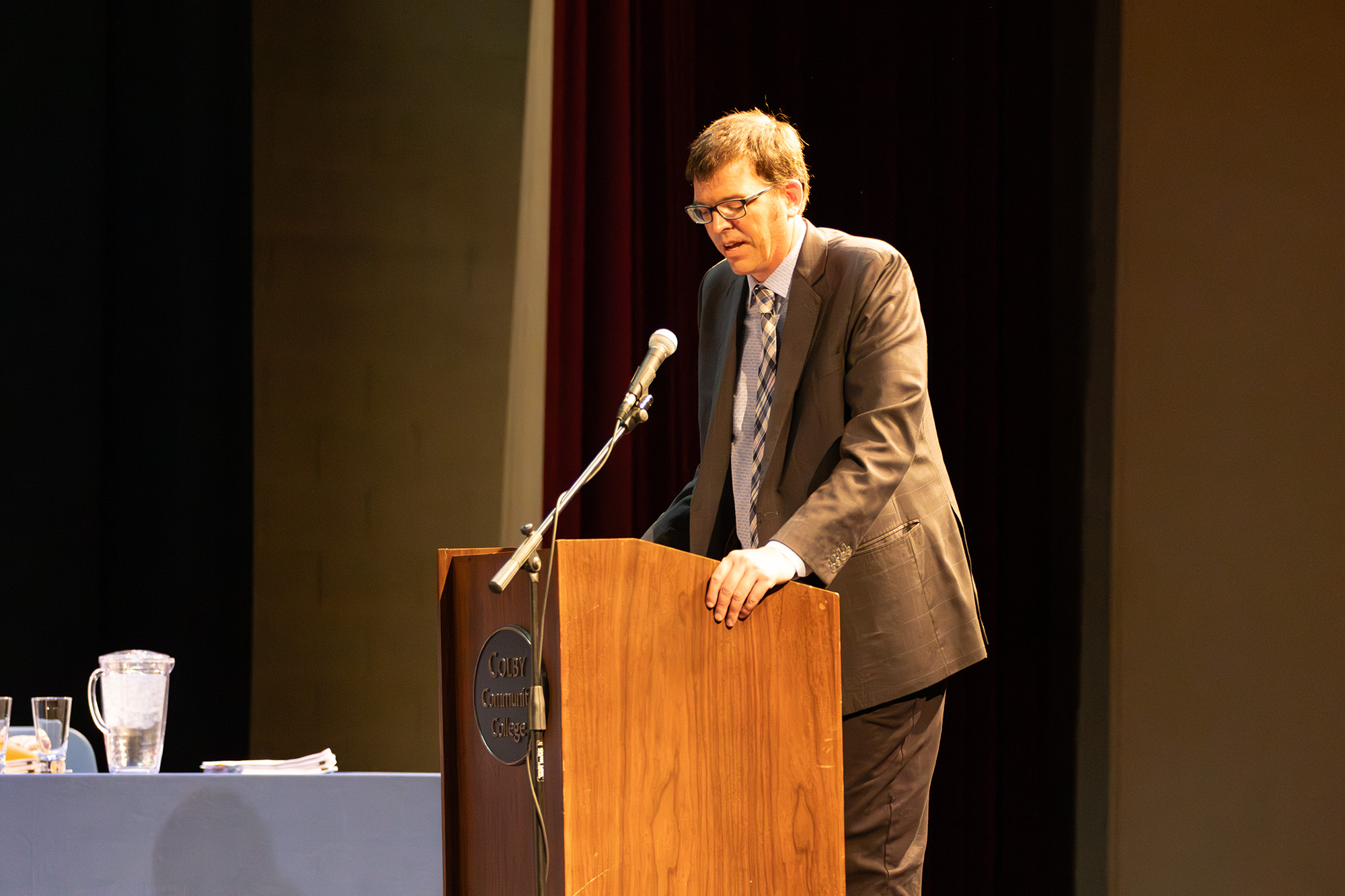
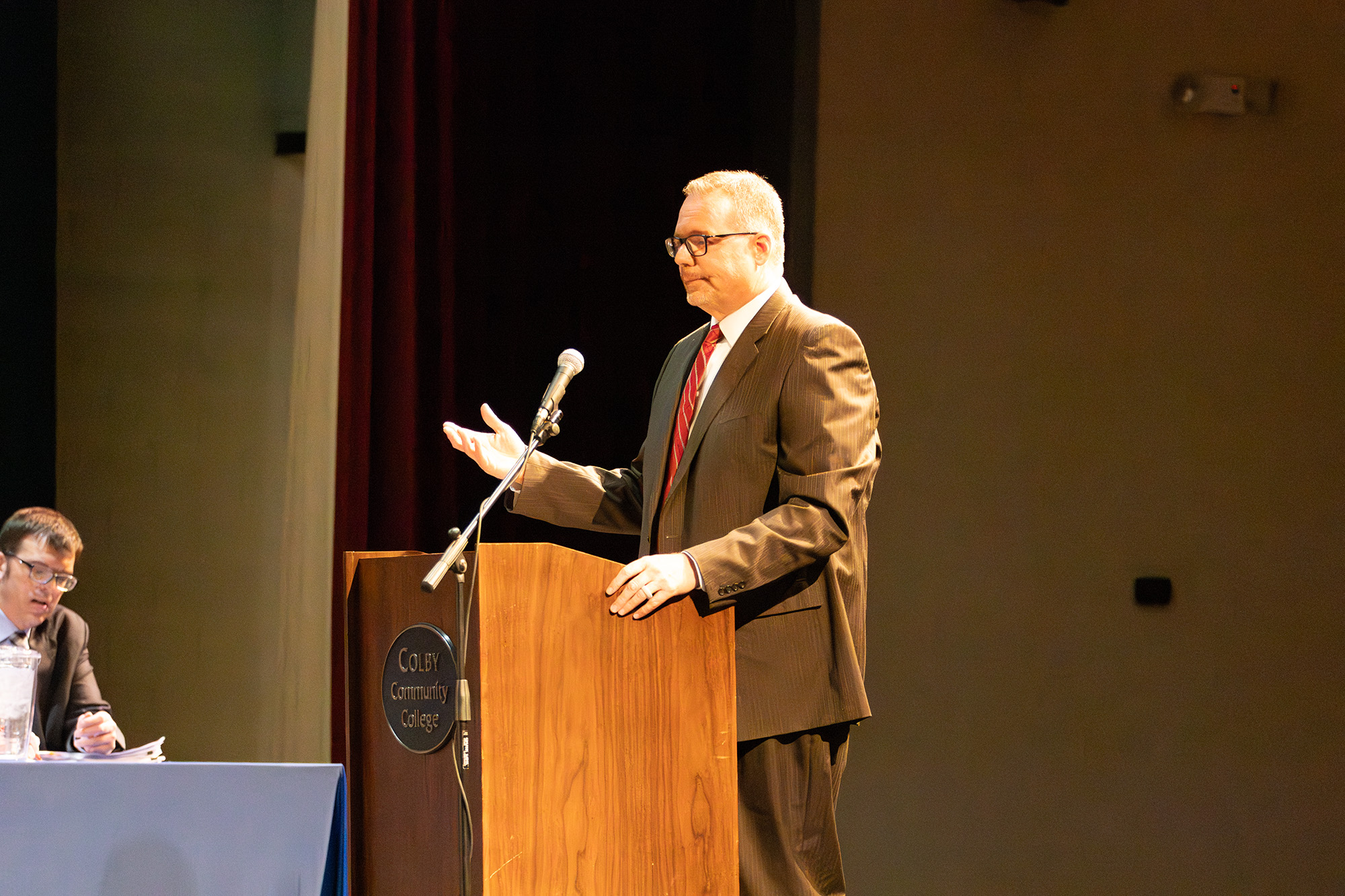
Throughout the argument, the panel zeroed in on key questions—whether the daughter even had standing to bring the case and whether unresolved facts warranted sending the matter back to district court. Both sides used their limited time carefully, with rebuttals sharpening the central tension: whether the trust was administered according to the original intent or altered after the fact.
The second case shifted the tone to criminal law, focusing on a conviction for violating a protection-from-abuse order in Riley County. At the heart of the appeal was a series of messages sent through a co-parenting application, with 27 communications cited as violations.
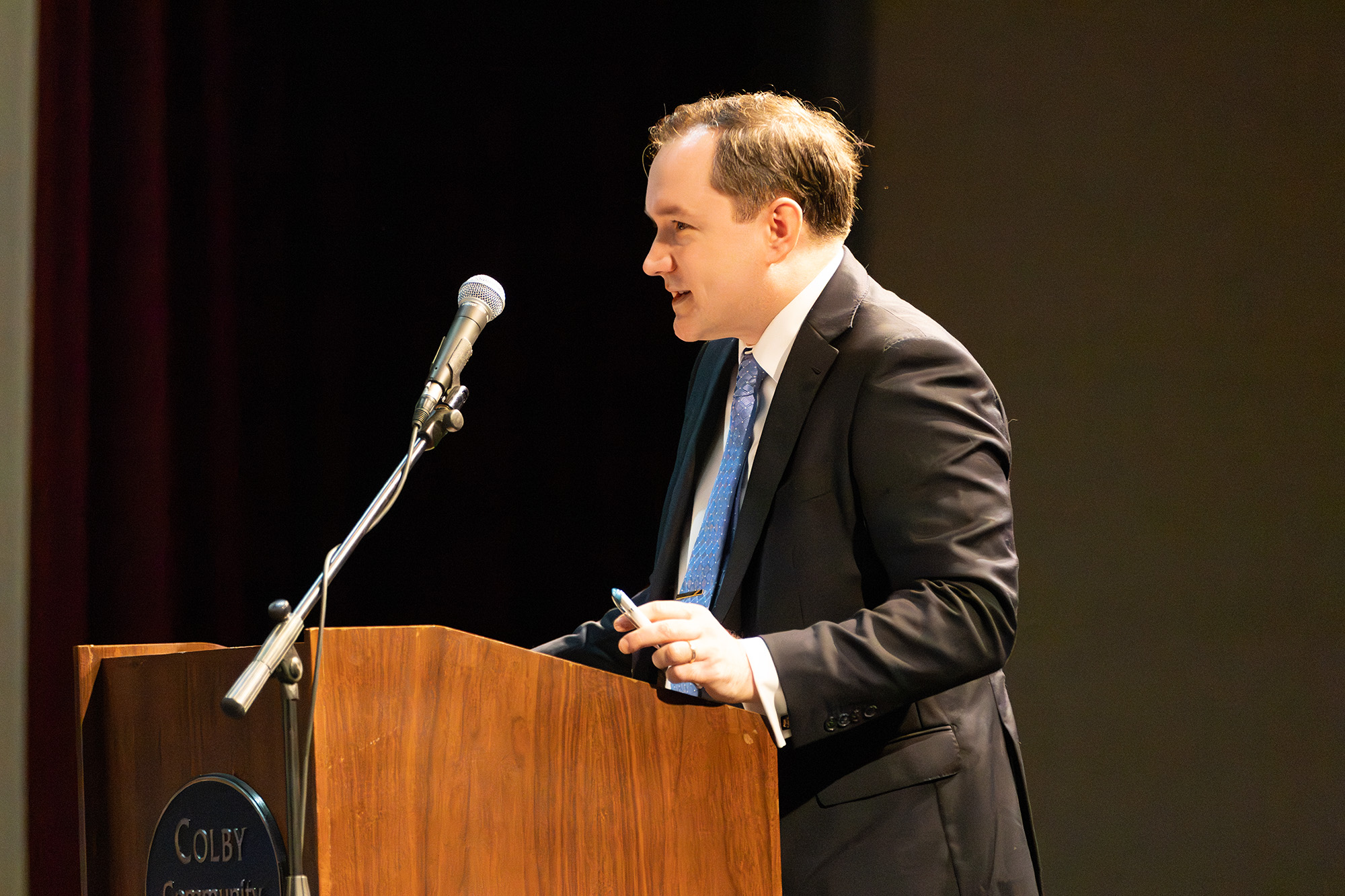
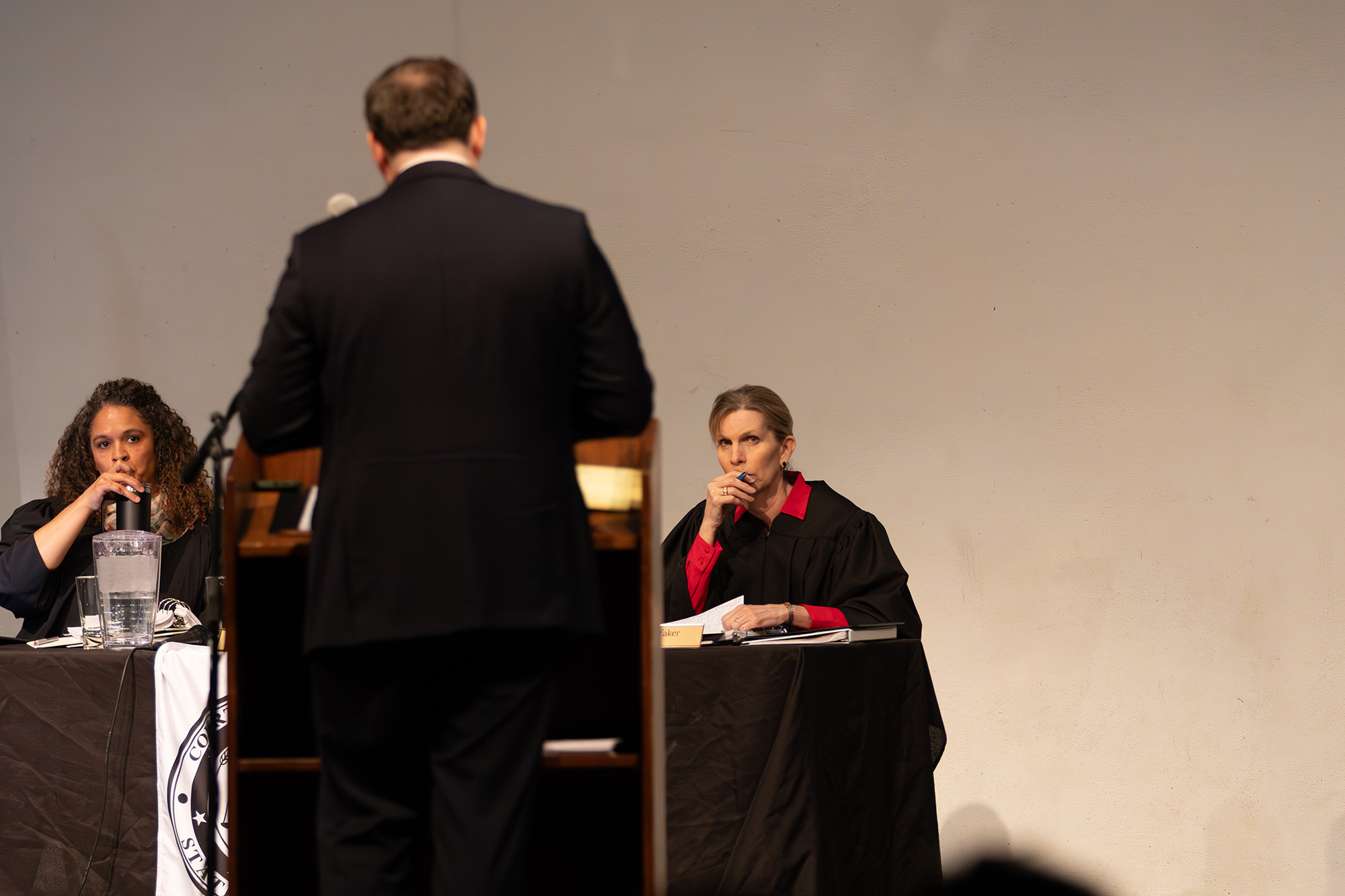
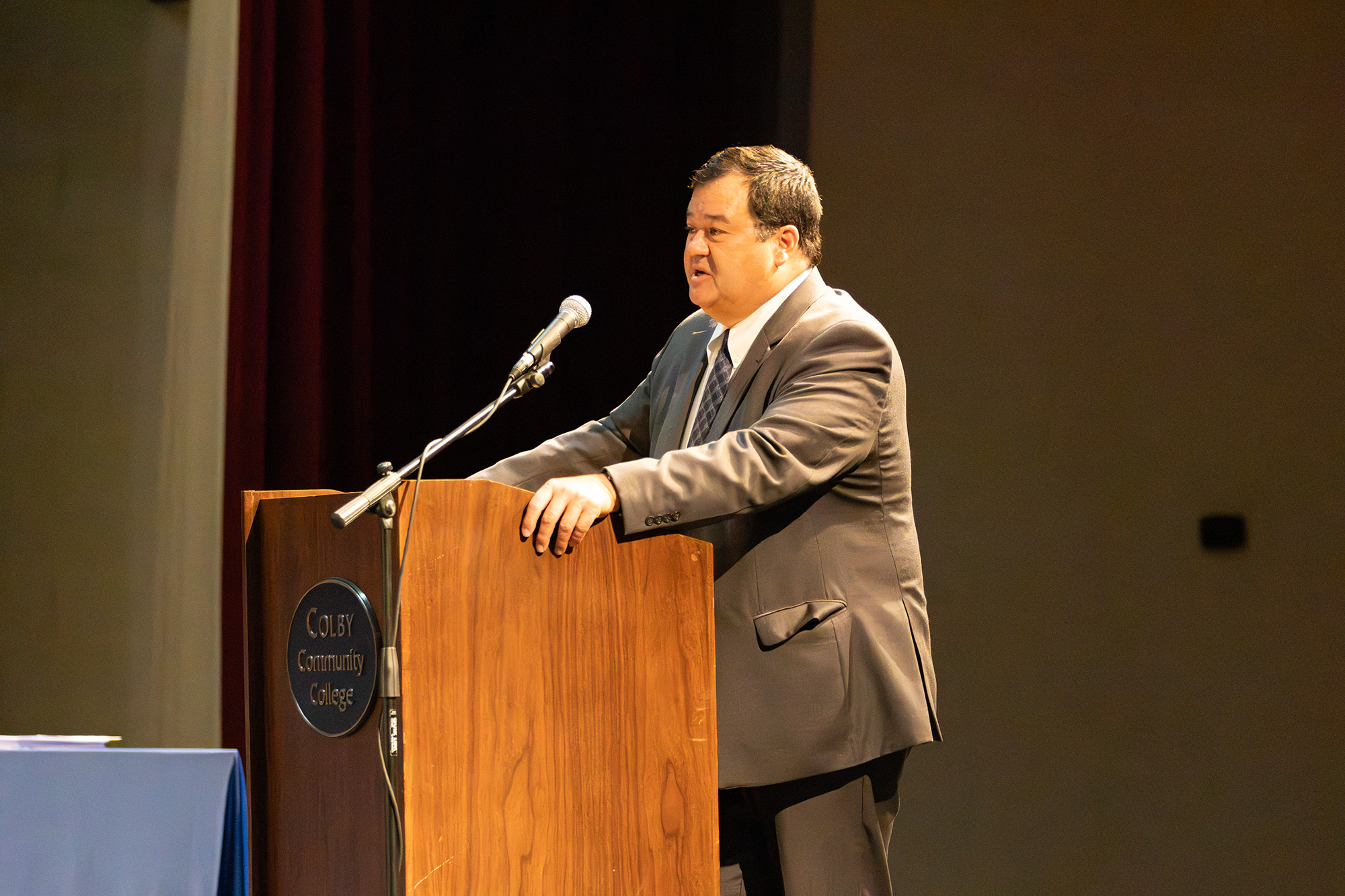
The defense argued the case hinged on procedural fairness—questioning whether the defendant had adequate notice of which messages formed the basis of the charges and whether the case was even tried in the correct county. Judges pressed both sides on how a defendant could reasonably prepare a defense without clear identification of the alleged violations, while prosecutors leaned on precedent to justify both the venue and the conviction.
For those in attendance, the experience went beyond the cases themselves. The back-and-forth between judges and attorneys revealed a system built on precision, interpretation, and respect—where disagreement is expected, but professionalism is constant.
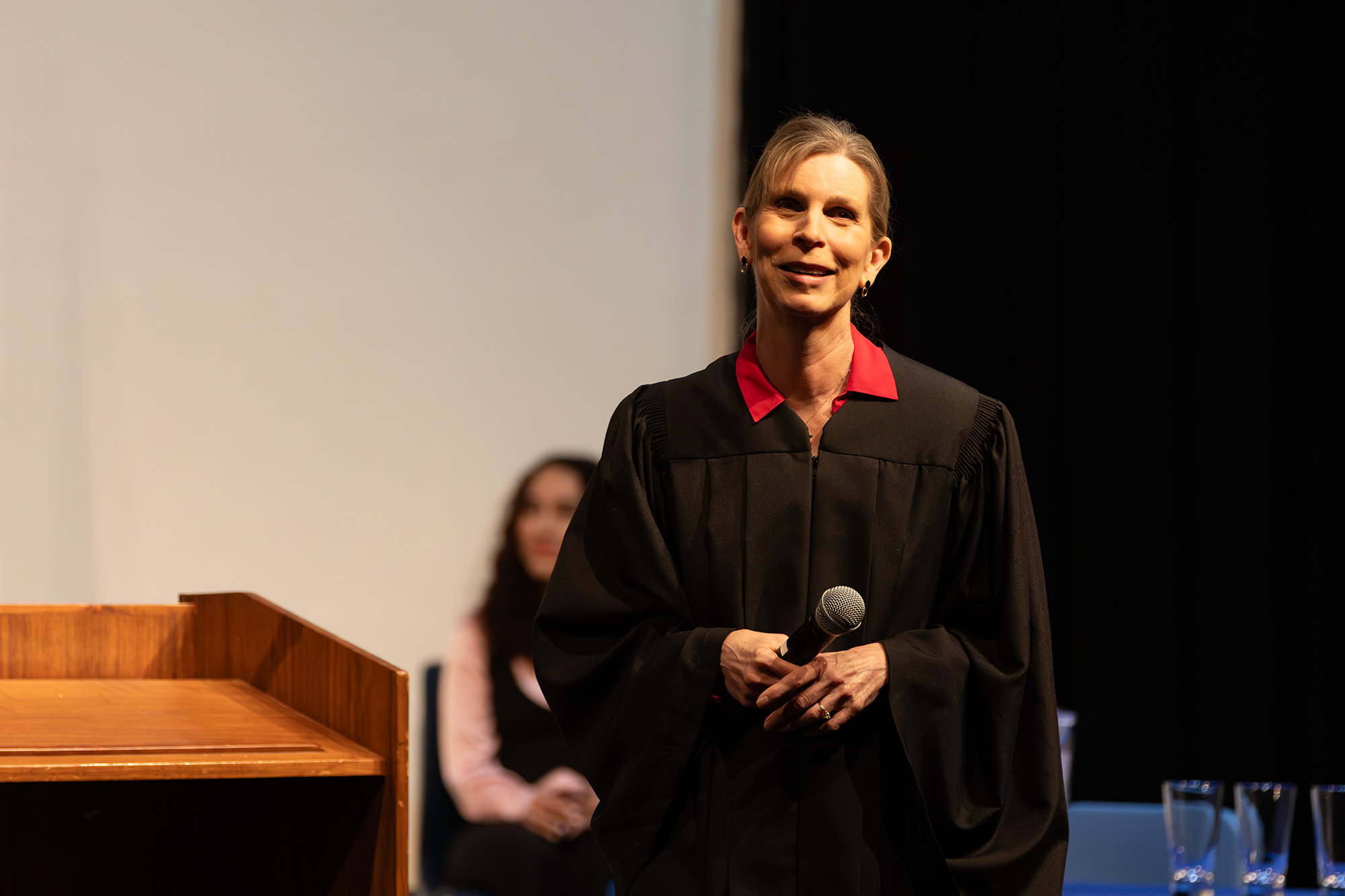
After the arguments concluded around 11:45 a.m., the judges stepped down from the bench and engaged directly with students, answering questions about their careers and the judicial process. The interaction reinforced the purpose behind bringing the court on the road: not just to hear cases, but to make the system visible and accessible.
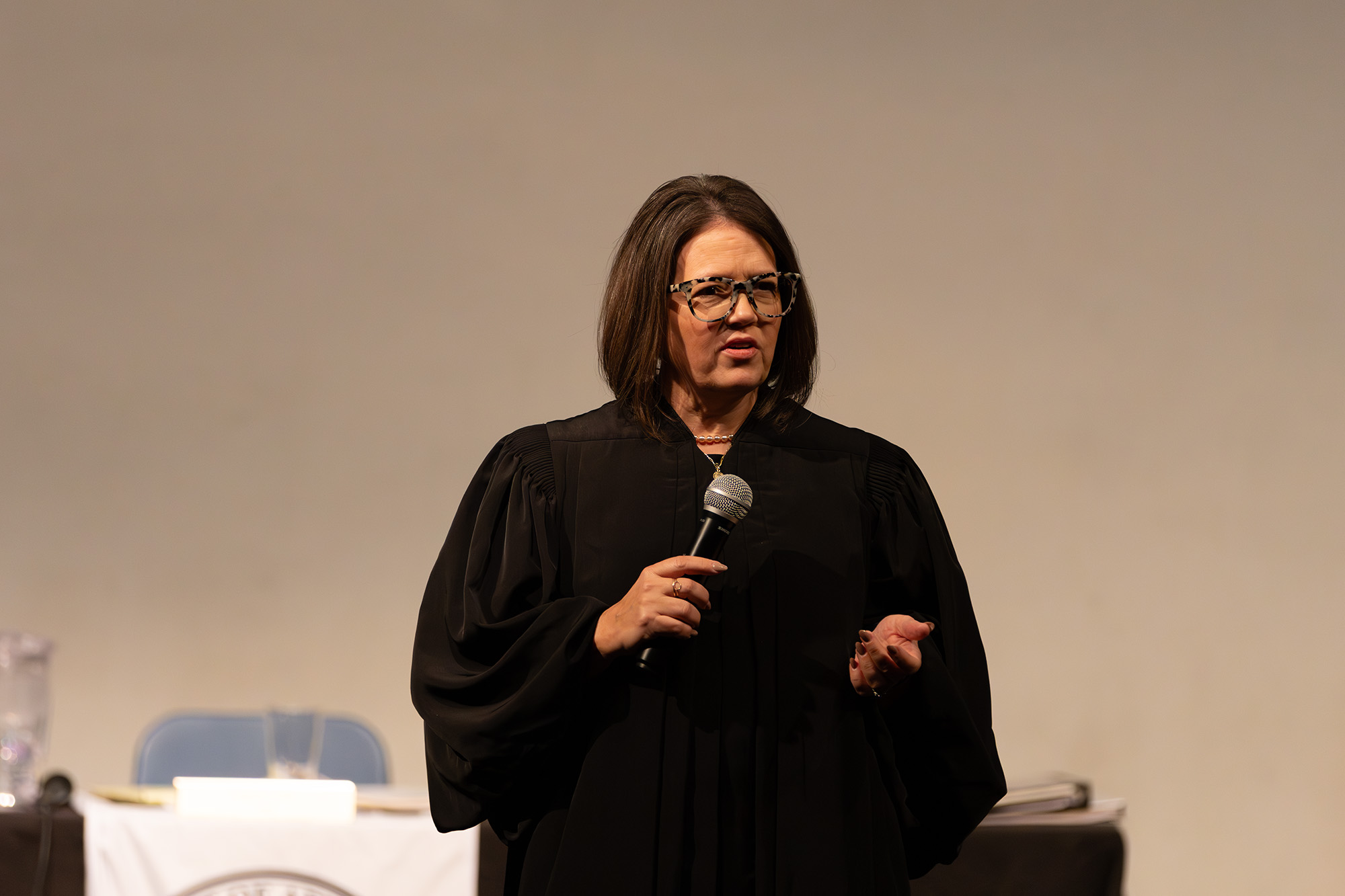
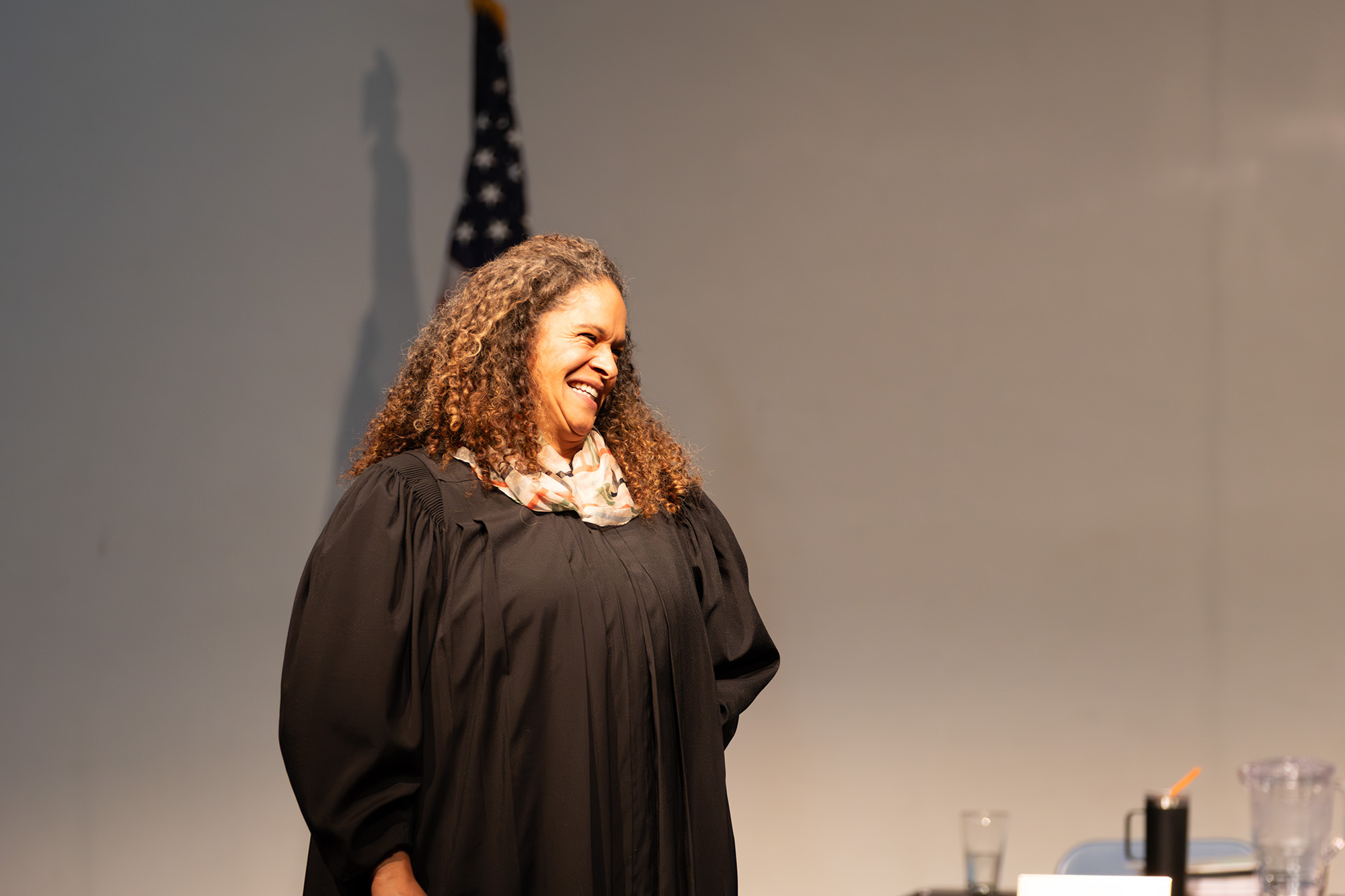
No decisions were issued Tuesday, as both cases were taken under advisement. Written opinions are expected in the coming weeks, but for those inside the Frahm Theater, the takeaway was immediate—a rare and tangible look at how the law is debated, interpreted, and ultimately decided.