


Booked for Lunch Brings Batman’s Hidden History to Life with Marc Tyler Nobleman
April 8, 2026
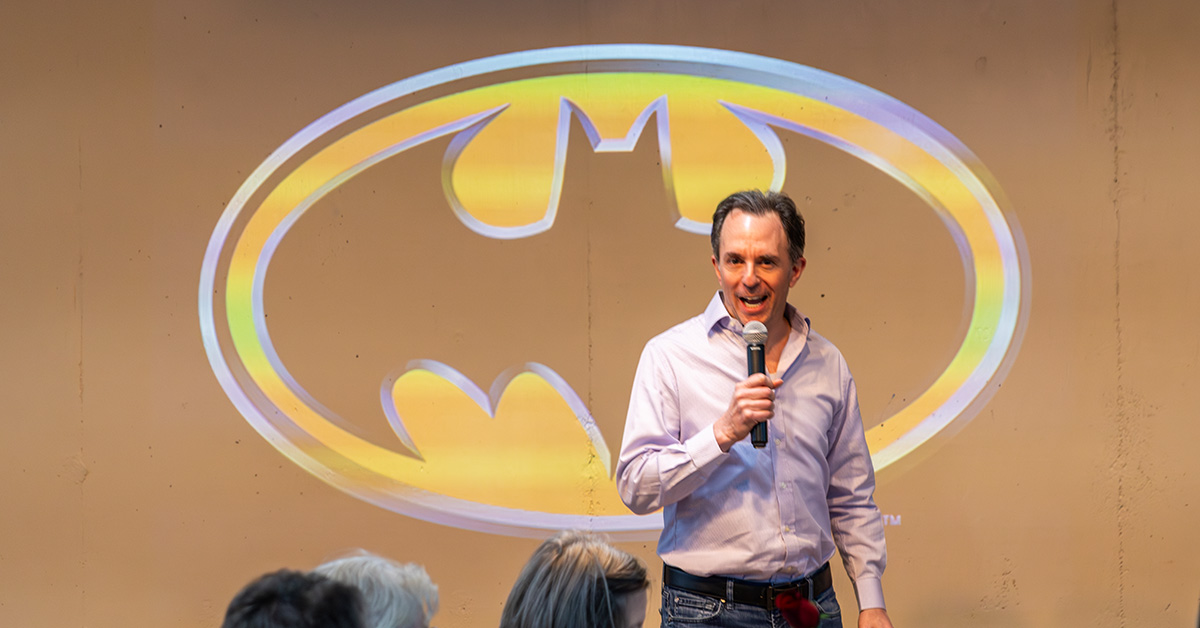
The Pioneer Memorial Library’s “Booked for Lunch” series continued Wednesday, April 8, with a presentation that was equal parts history lesson, mystery, and long-overdue act of justice.
Author and speaker Marc Tyler Nobleman delivered a captivating talk centered on one of pop culture’s most surprising untold stories—the decades-long effort to properly credit the true creative force behind Batman.
Nobleman opened with a line that immediately reframed the audience’s understanding of the iconic superhero: “Batman’s biggest secret is not Bruce Wayne.”
From there, he took attendees back to 1939, the year Batman debuted. For generations, the character had been credited solely to artist Bob Kane. But as Nobleman explained that long-standing credit line left out a critical piece of the story.

Writer Bill Finger was, in many ways, the architect of Batman as the world knows him today.
Finger wrote the earliest stories and helped transform the character from a rough concept into a layered, enduring hero. He introduced defining elements such as the name Bruce Wayne, Gotham City, and the darker tone that set Batman apart. He also created many of the franchise’s most recognizable figures, including Robin, The Joker, Penguin, Catwoman, and Riddler.
Yet for decades, his name appeared nowhere in the credits.
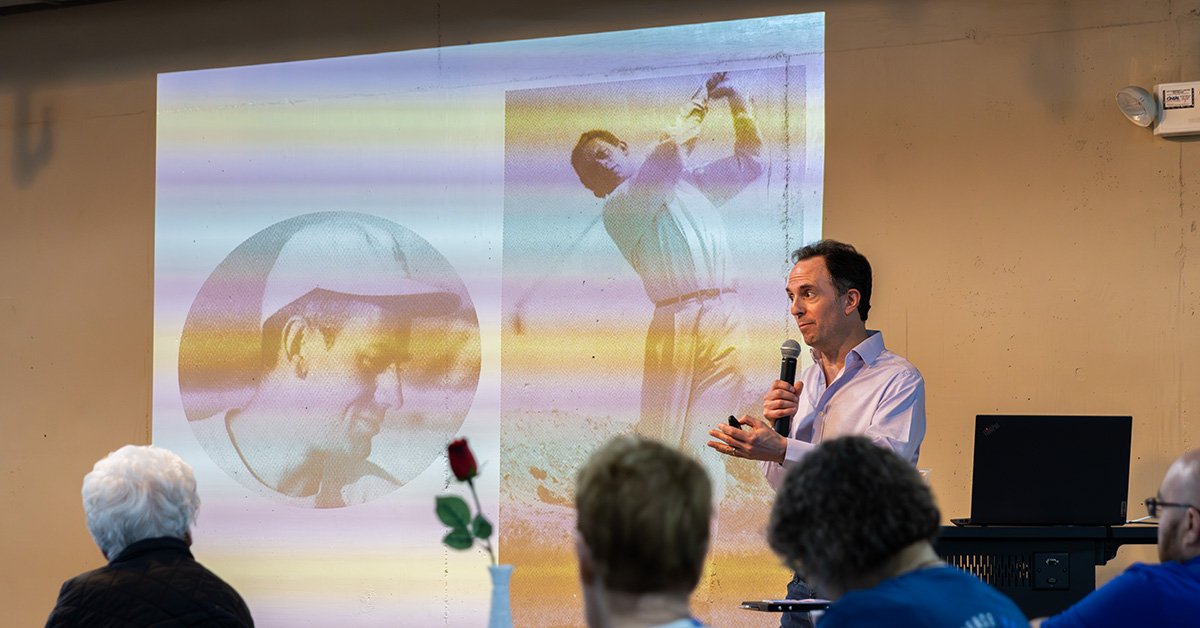
Nobleman described the situation as a “story of betrayal between two friends,” explaining how Kane secured sole credit while Finger quietly continued writing behind the scenes for years.
Adding another layer to the story was Finger’s own identity. Nobleman revealed that Bill Finger was not even his birth name. He was born Milton Finger, a name he later changed. According to Nobleman’s research, the decision was influenced by the realities of the time. In the 1930s, names that sounded Jewish could limit professional opportunities, even in major cities like New York. By adopting the name “Bill,” he hoped to navigate those barriers and improve his chances in the growing comic book industry.
That decision, while practical, became symbolic of a larger theme—one of a man whose identity and contributions were consistently kept in the shadows.
Nobleman’s presentation then shifted into the investigative journey that would eventually bring Finger’s story to light.
What began as curiosity turned into years of research. Nobleman described tracking down fragments of Finger’s life—locating rare photographs, interviewing family members, and even visiting former residences in New York City. At one point, only two known photos of Finger existed publicly. Through persistence, Nobleman uncovered more, slowly piecing together the life of a man who had largely disappeared from history.
The search became something of a real-life detective story, mirroring the very character Finger helped create.
But the most pivotal moment came with a discovery that changed everything.
For years, it was believed that Finger had no surviving heirs. His son had passed away, and the trail appeared to end there. Then came the twist—one Nobleman described as the breakthrough that made justice possible.
Finger had a granddaughter.
Tracking her down was no simple task, but once located, she became central to the effort to correct the record. With her involvement, conversations with DC Comics gained new weight, shifting the discussion from historical oversight to rightful recognition.
After decades of silence, the outcome finally came in 2015. DC Comics officially updated the credit line to read: “Batman created by Bob Kane with Bill Finger.”
For Nobleman, it was the culmination of years of work and persistence. For many fans, it was a moment of long-overdue justice.
The story resonated strongly with the audience in Colby. Nobleman’s delivery balanced humor with emotional depth, drawing frequent laughter while also highlighting the weight of the injustice.
What began as a tale of omission ultimately became a story of restoration.
In a fitting conclusion, the man who helped create a hero known for fighting injustice finally received a measure of justice himself.
Nobelman’s journey was eventually picked up by Hulu as an original documentary named “Bill the Boy Wonder.” The “Booked for Lunch” series continued last week as part of National Library Week, offering community members a chance to connect with authors and stories that go far beyond the page.