



Prairie Museum Camps Bring Learning, Science, and Fun to Local Youth
June 11, 2026
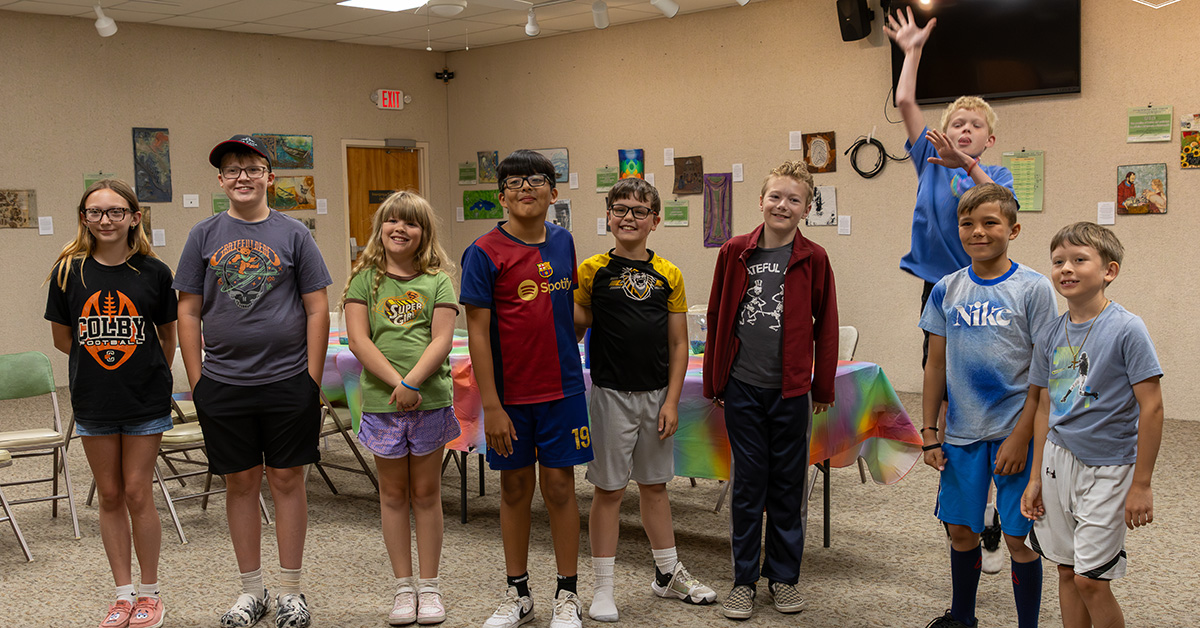
For local children looking for a fun and educational summer experience, the Prairie Museum of Art and History continues to provide opportunities through its annual Museum Camp program.
The museum has already hosted two camps this summer, giving area youth a chance to explore history, science, and hands-on learning while building friendships and creating lasting memories. With additional camps still scheduled throughout the summer, organizers hope more families will take advantage of the unique educational experiences available right here in Colby.
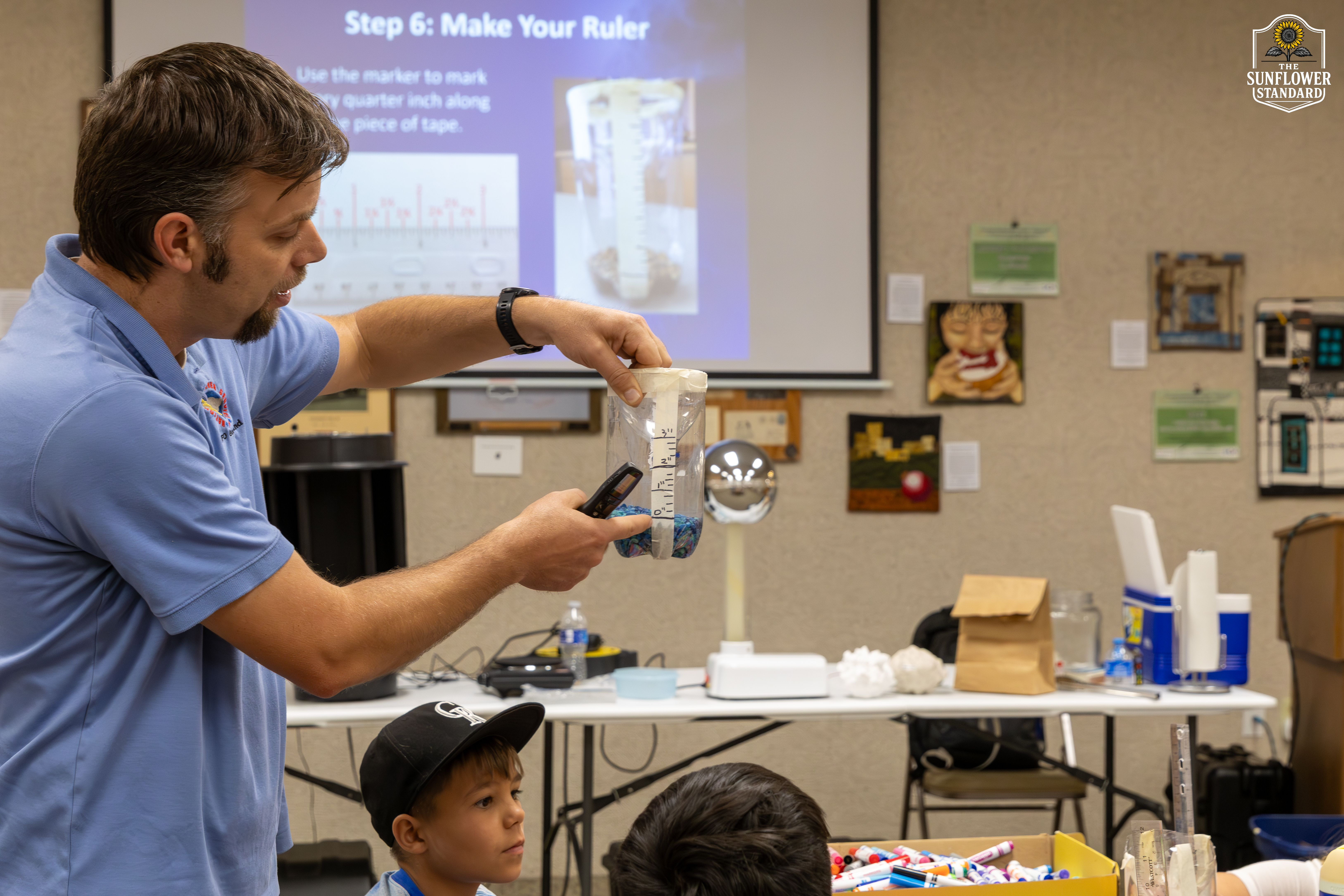
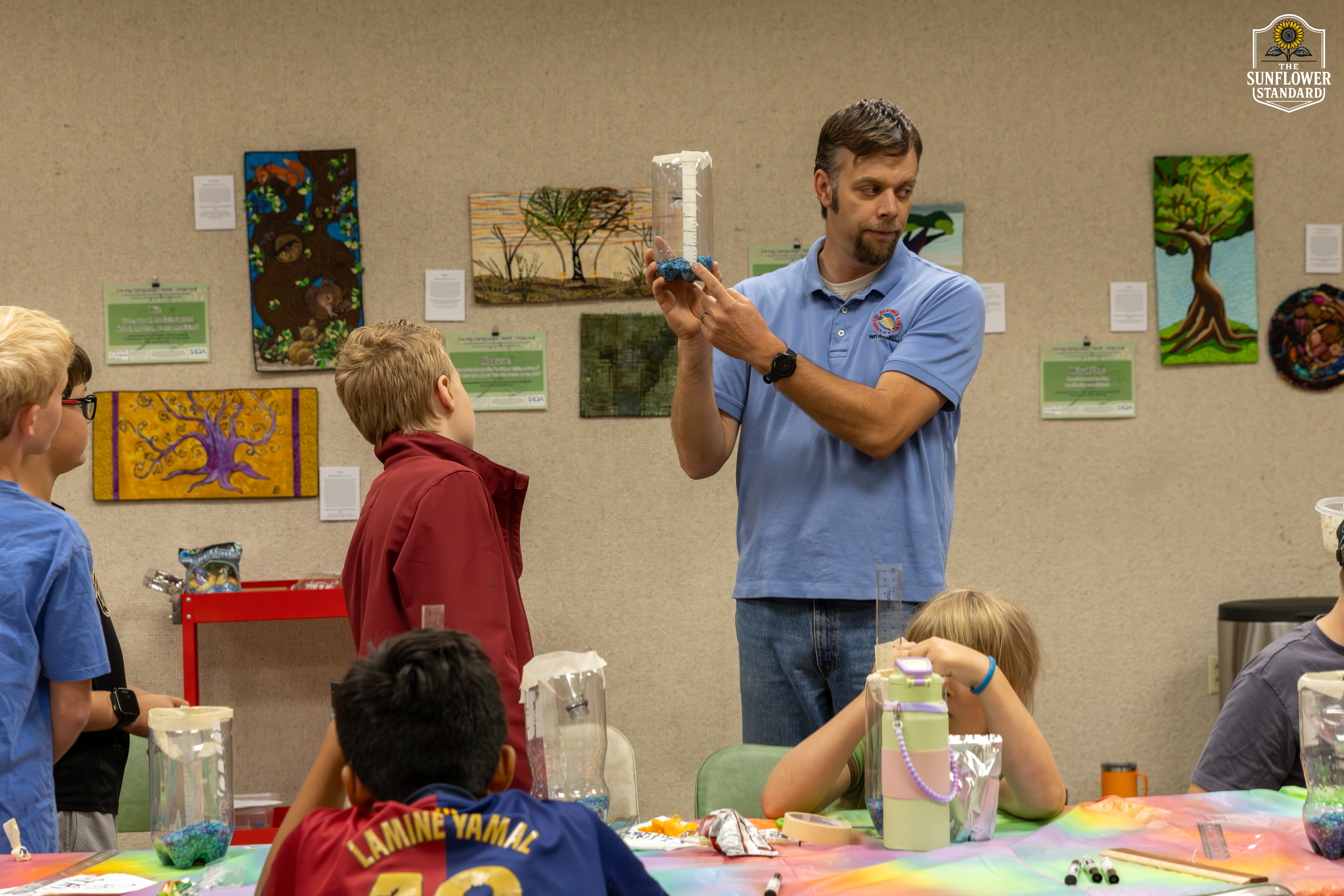
The most recent camp welcomed approximately a dozen participants and focused on weather science. To help bring the topic to life, the museum invited Jesse Lundquist, Warning Coordination Meteorologist with the National Weather Service office in Goodland, to spend the day with campers.
Lundquist combined education with entertainment, keeping the group engaged through interactive demonstrations, experiments, and discussions about severe weather safety. Throughout the session, campers learned how meteorologists gather weather data, track storms, and help keep communities informed during dangerous weather events.
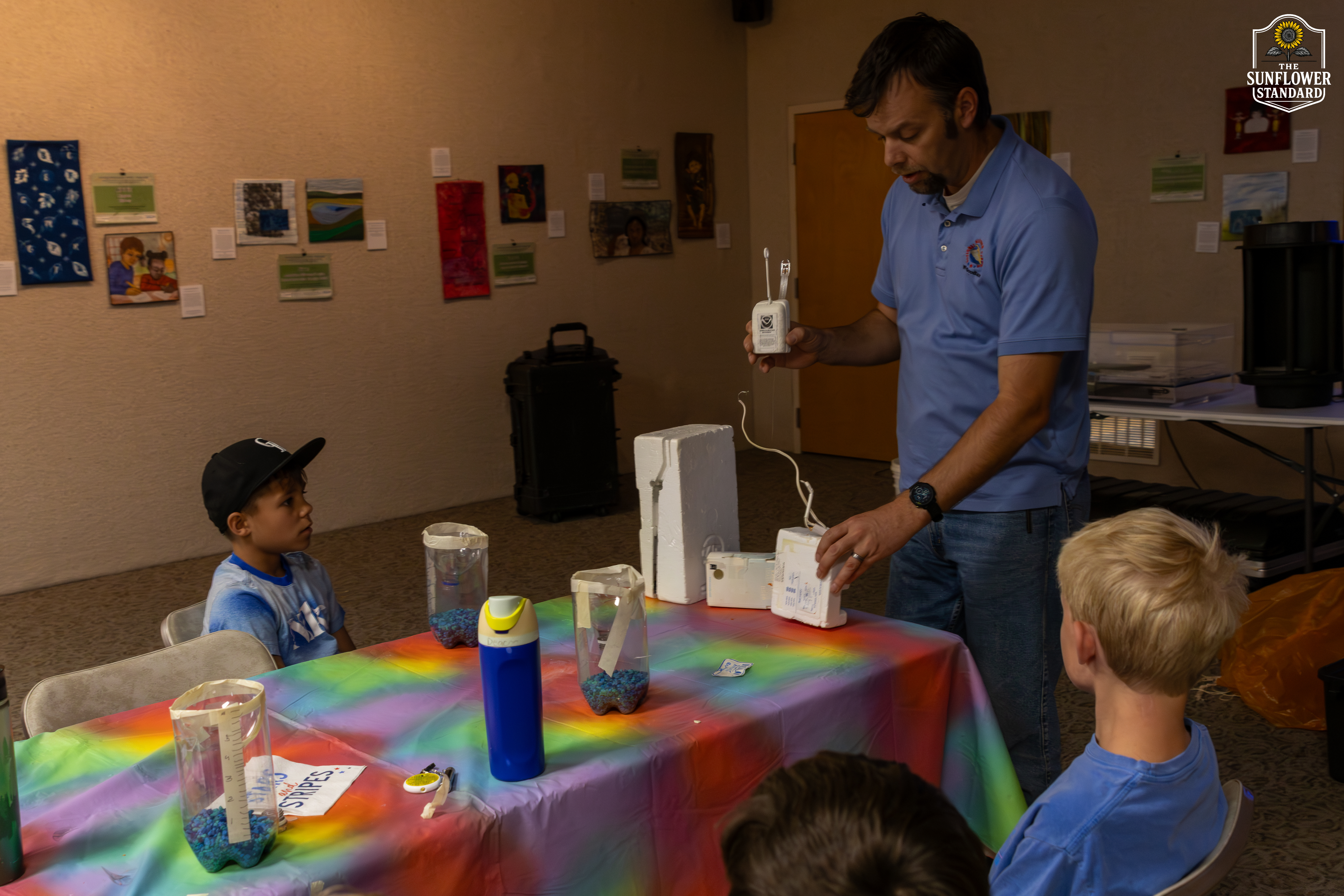
One of the highlights of the day was a hands-on lesson about weather balloons. Lundquist explained how weather balloons are launched twice daily across the country and how the instruments attached beneath them transmit temperature, pressure, humidity, and wind information back to forecasters. Campers were able to examine equipment used in weather balloon launches and learn how technology has evolved over the years.
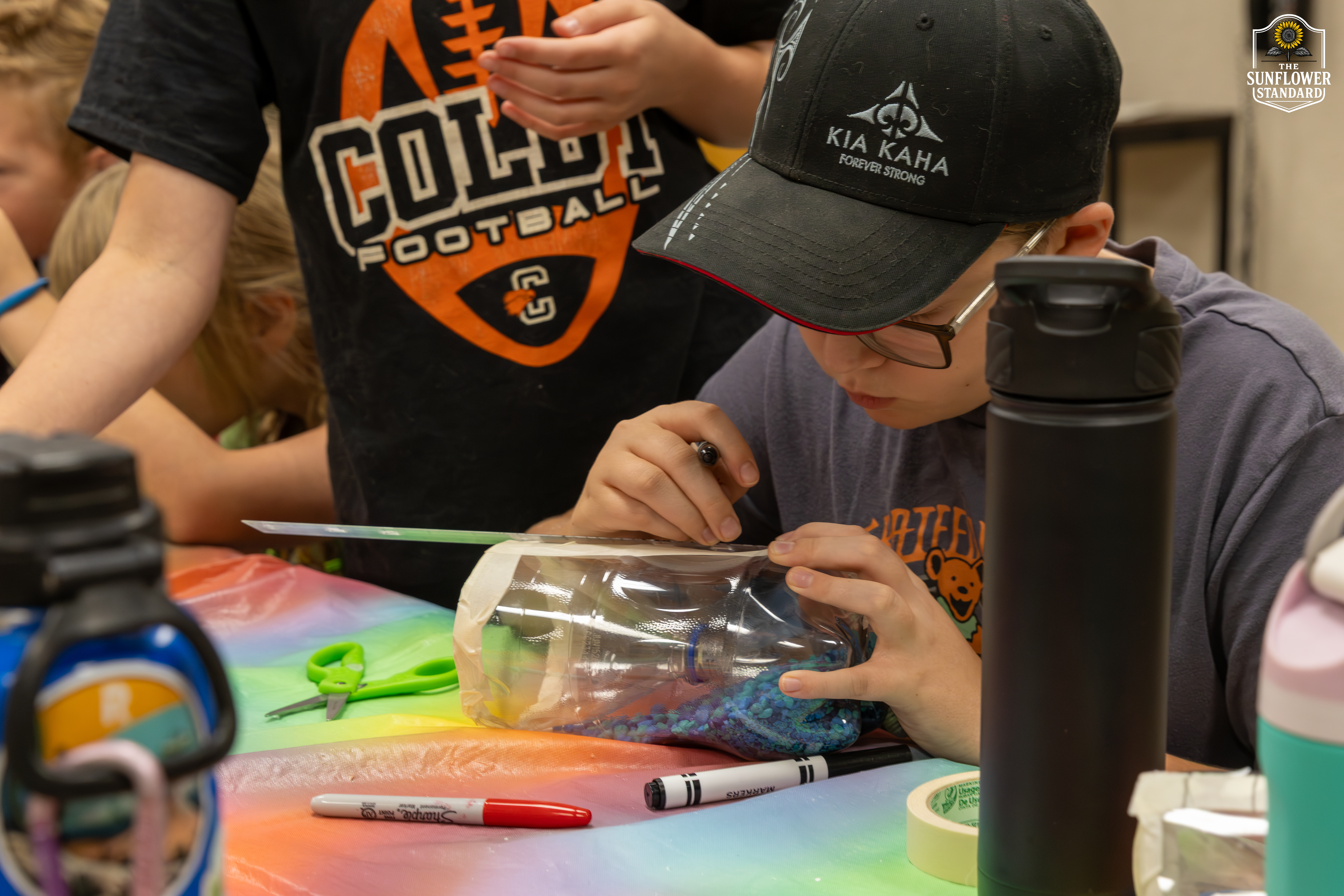
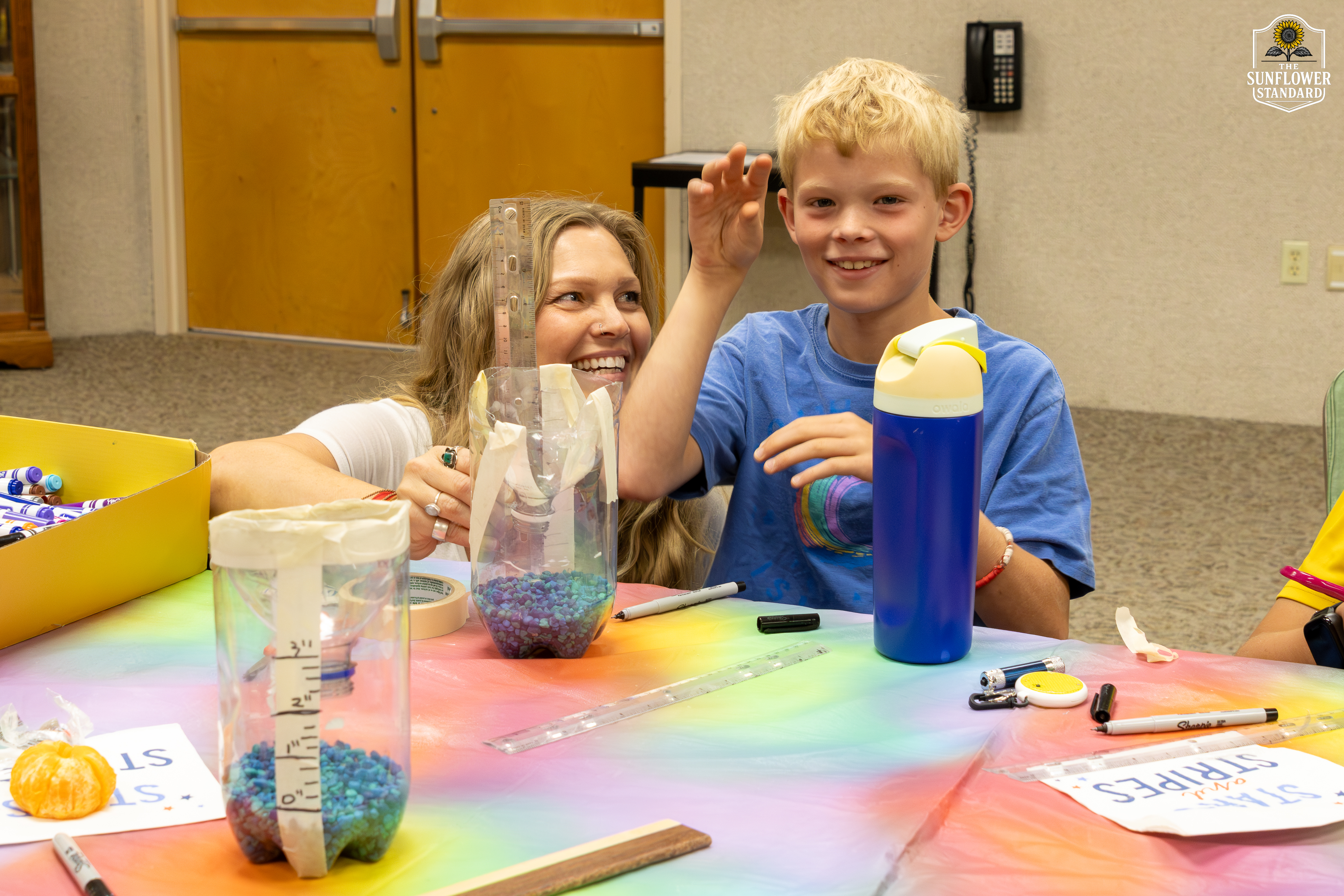
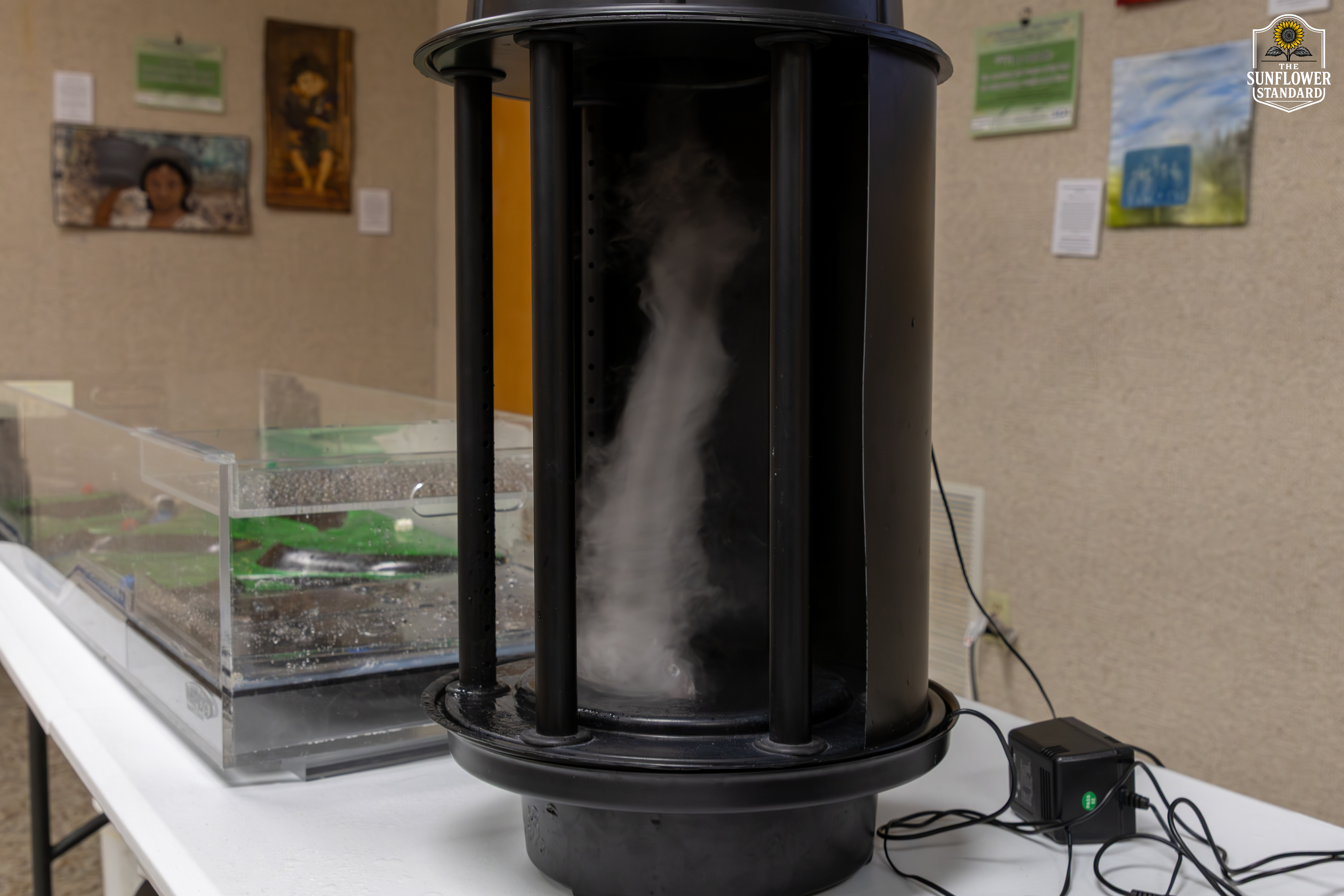
The students also built their own homemade rain gauges, giving them a practical tool they could take home and use to measure precipitation. Another favorite activity was a tornado demonstration machine that allowed participants to see how rotating air creates tornado-like conditions.
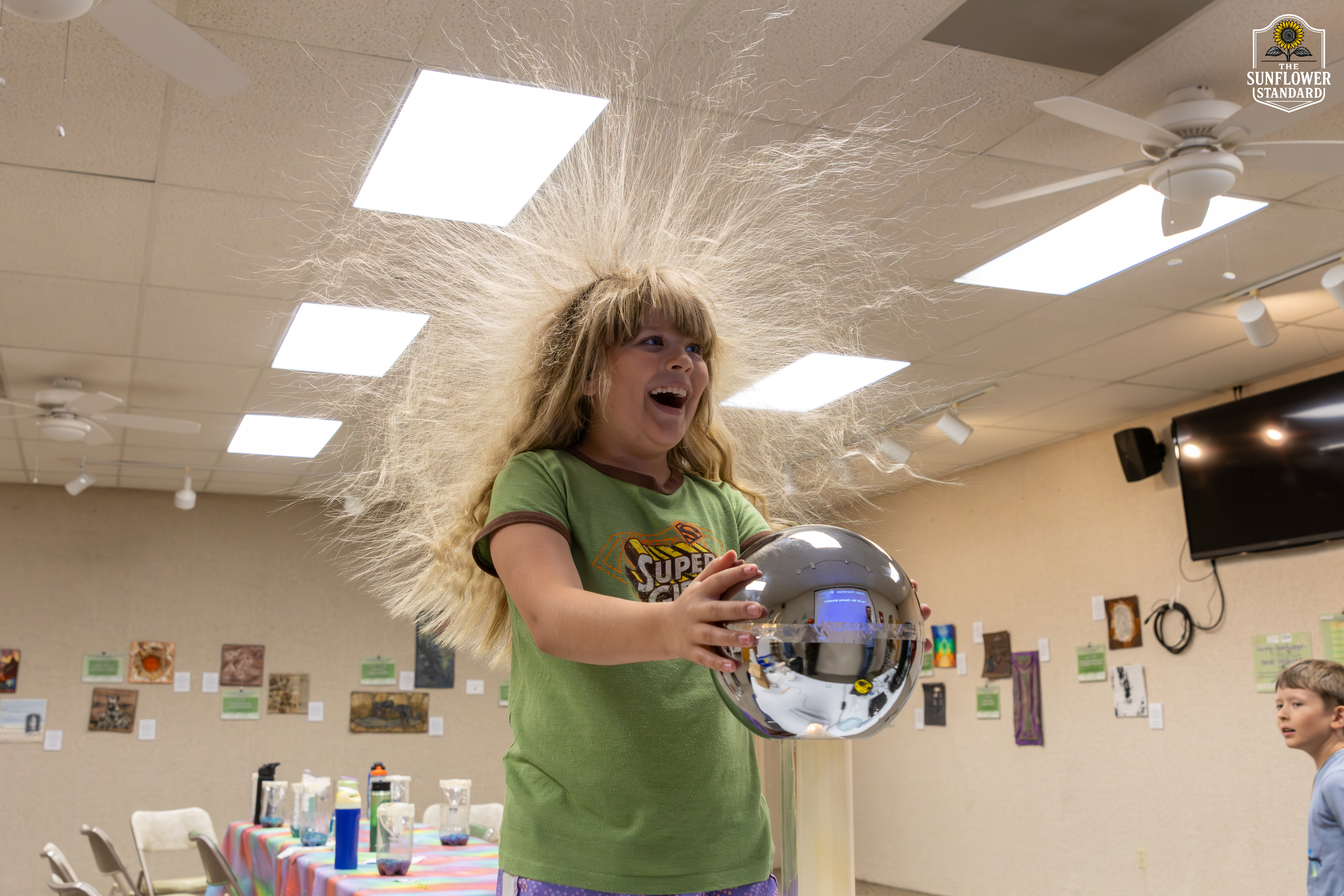
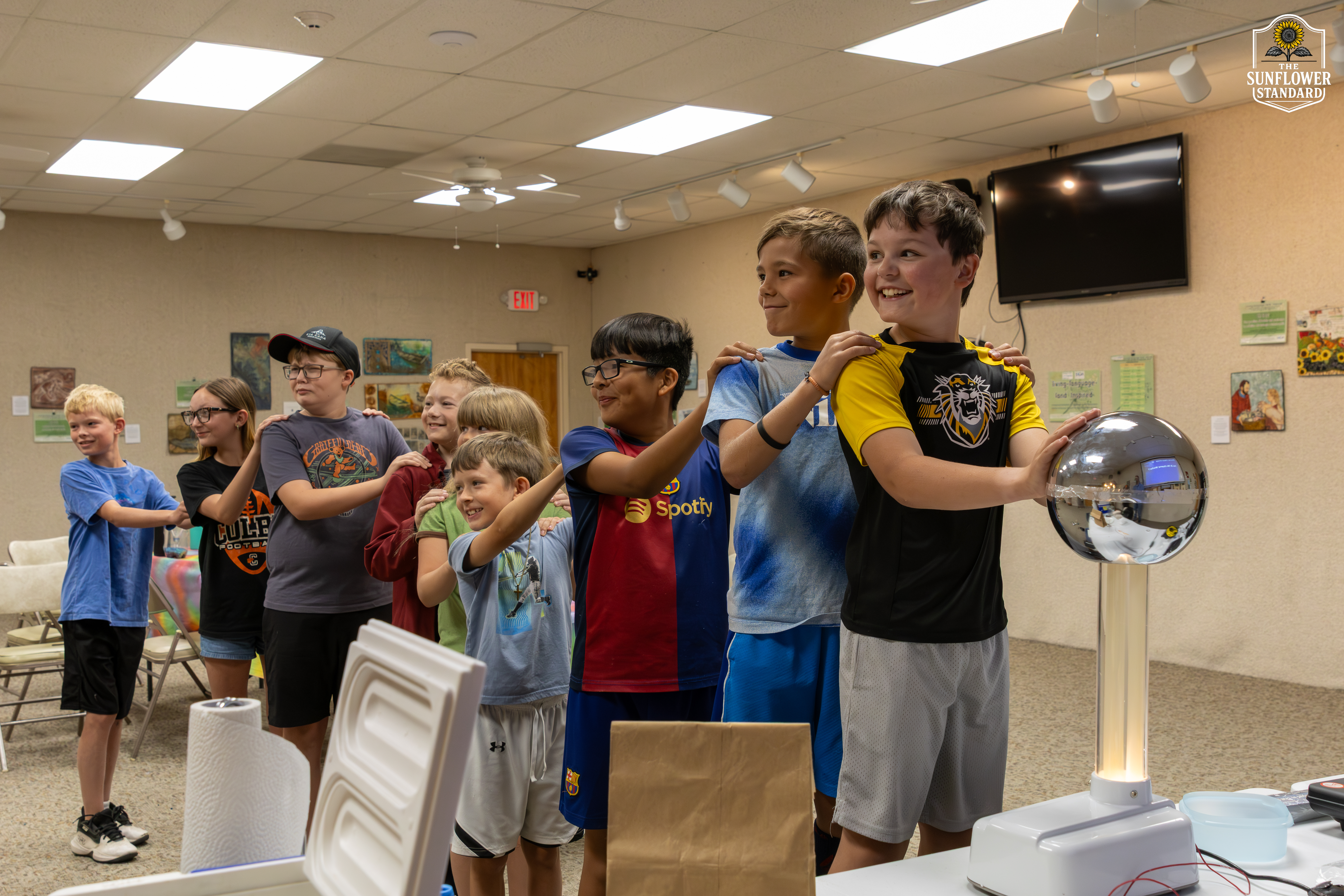
Perhaps the most exciting portion of the afternoon involved demonstrations of static electricity and lightning. Volunteers eagerly participated as Lundquist used a Van de Graaff generator to create dramatic displays that caused hair to stand on end and delivered harmless static shocks. The activity generated plenty of laughter while reinforcing lessons about lightning and electrical safety. Campers even formed a human chain to test how electricity travels through connected participants.
Beyond the fun demonstrations, Lundquist emphasized important severe weather safety practices. He discussed the dangers of lightning, tornadoes, and severe thunderstorms while teaching students how to respond when threatening weather develops.
The enthusiastic response from campers reflected the success of the program. Throughout the presentation, students remained engaged, asked questions, and eagerly volunteered to participate in demonstrations.
The Prairie Museum of Art and History has long used its summer camps as a way to combine education with hands-on experiences. Located in Colby, the museum offers a variety of themed camps throughout the summer that encourage children to explore science, history, art, and the world around them through interactive activities.
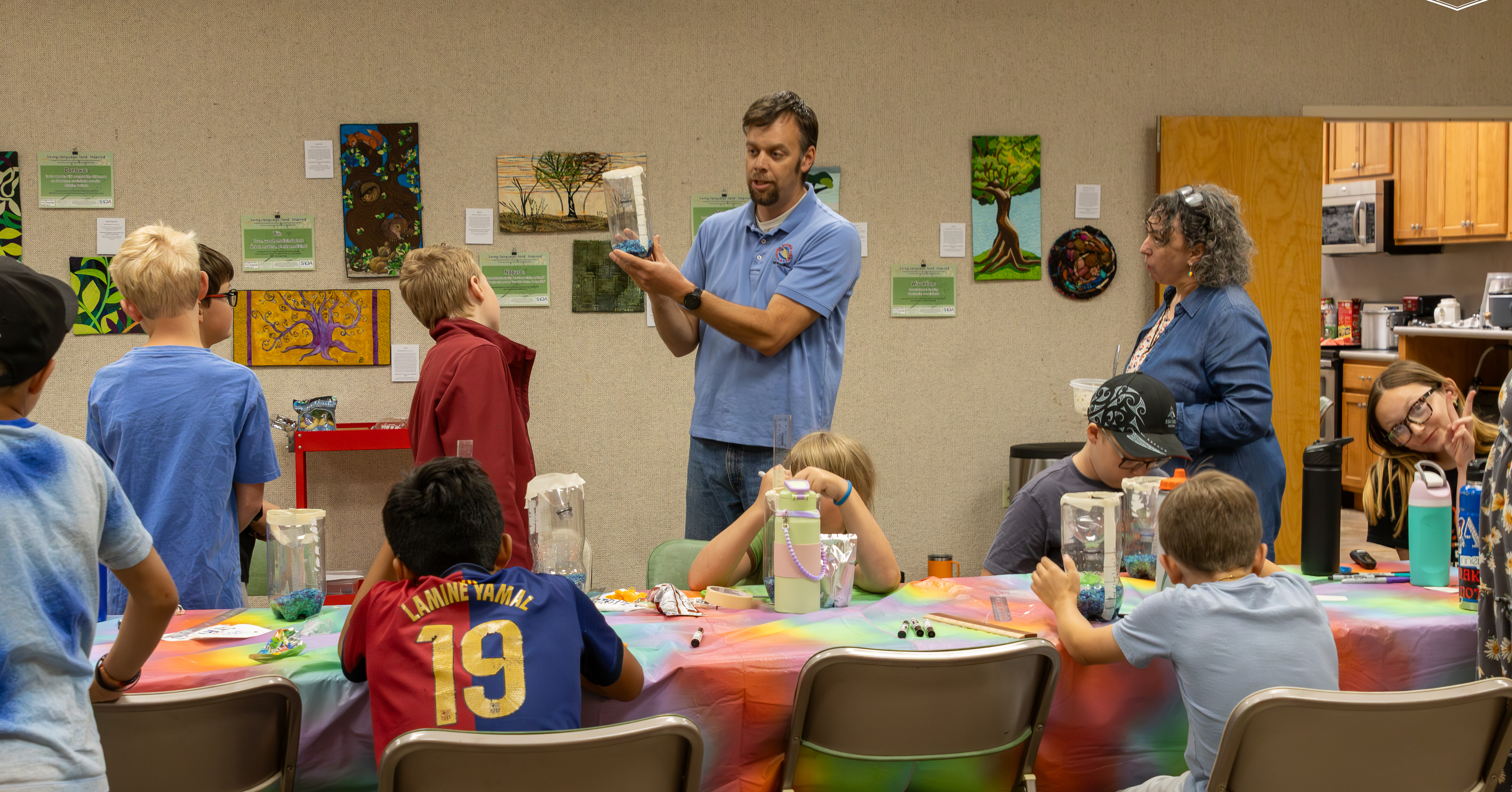
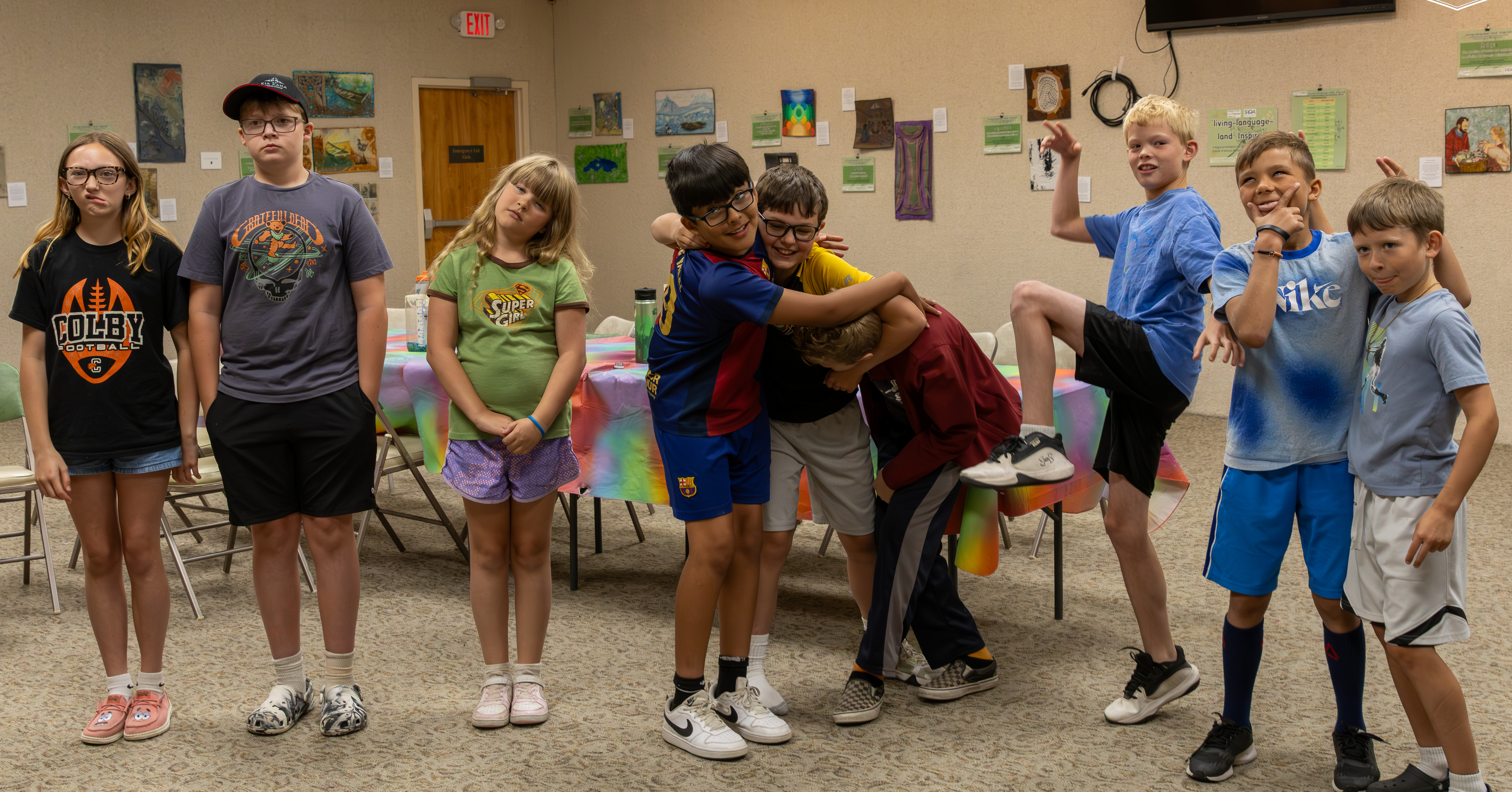
According to information available through the museum, the camps are designed to provide engaging learning opportunities while fostering creativity, curiosity, and critical thinking skills. Each session offers participants a chance to learn from experts, complete projects, and experience subjects in ways that traditional classrooms often cannot provide.
With several summer activities still ahead, museum officials encourage families to consider enrolling their children in upcoming camps. The programs continue to offer a valuable blend of learning and fun while introducing youth to new ideas and experiences.
Additional information about upcoming Museum Camp sessions, registration opportunities, and other programs offered by the Prairie Museum of Art and History can be found through the museum's website.
The weather camp concluded with plenty of smiles, a few static-filled hairstyles, and a greater understanding of the science that helps meteorologists predict and track the weather across northwest Kansas.