



Farm Credit Council leader visits Colby to hear directly from northwest Kansas producers
July 17, 2026
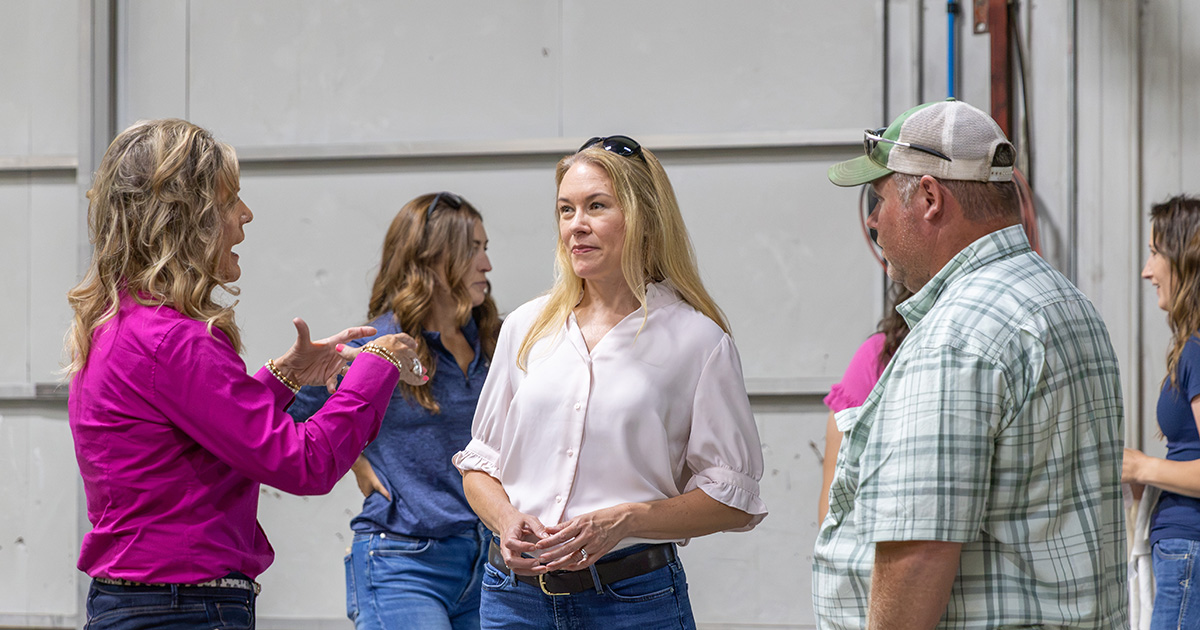
National agricultural policy typically begins with conversations in Washington, D.C., but Farm Credit Council President and CEO Christy Seyfert displayed the best policies are shaped by listening to producers where they live and work.
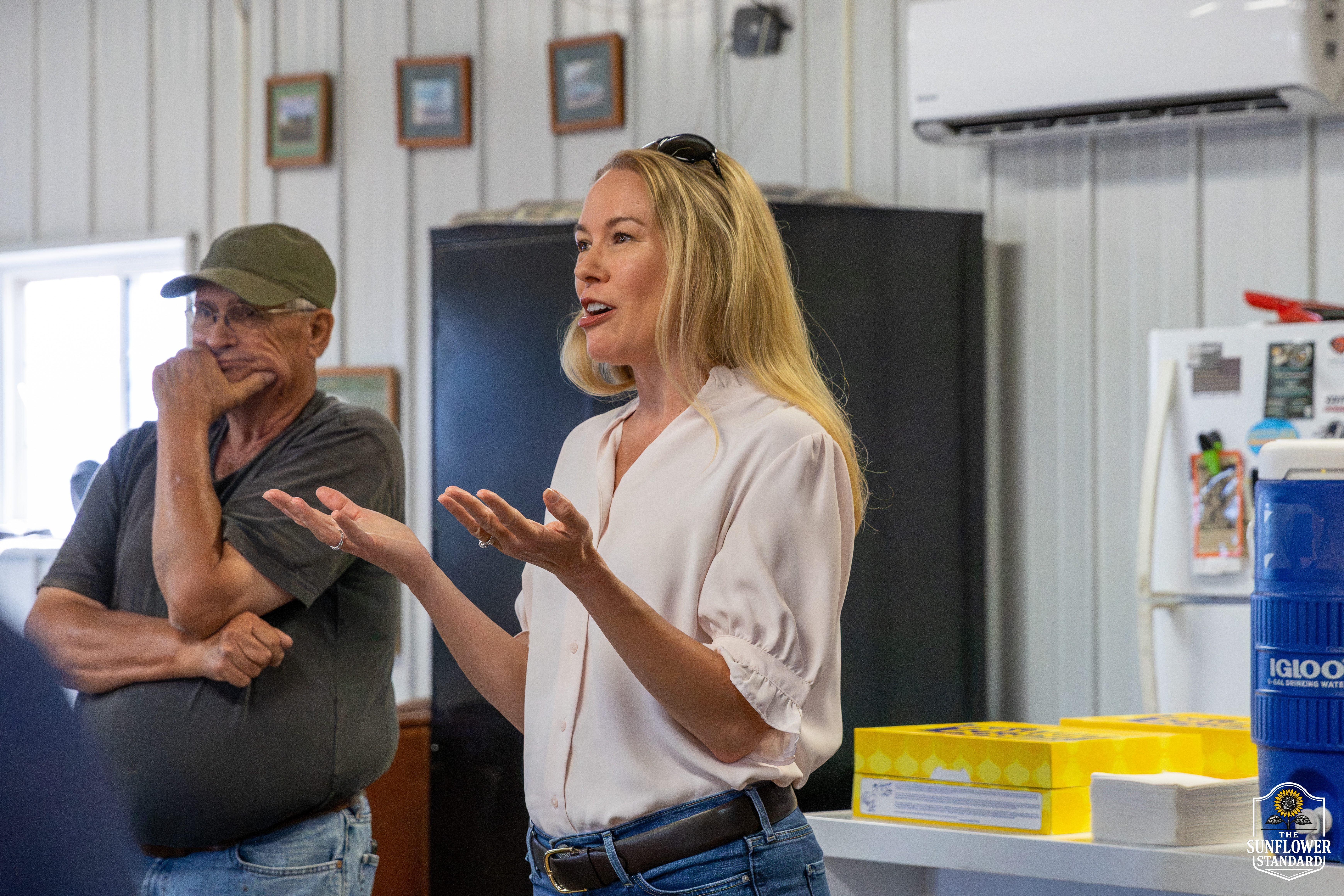
It was that mentality that brought Seyfert to Thomas County on July 17, where she joined Farm Credit of Western Kansas staff and local producers at Stramel Farms for a group discussion about the challenges facing local producers, and what opportunities have been available recently. The stop involved more questions that speeches, as two local farmers shared their firsthand accounts about working through financing, labor shortages, input costs, federal programs, infrastructure and the future of family farming.
Seyfert, who has been at the helm for Farm Credit Council for the last year and a half, but comes from 25 years of working through ag policies. She noted that it was trips like these that she finds the most rewarding of her position, making visits to local farms brings back a sense of home for Seyfert.
"This is my favorite part of my job," Seyfert told the group. "To get out and get to the real world. I'm a farm kid myself, my husband's a farm kid, so this feels like home."

While many producers are familiar with their local Farm Credit association, Seyfert explained that her role is very different.
Farm Credit itself is a nationwide network of customer-owned lending cooperatives that provides financing and financial services to farmers, ranchers, agribusinesses and rural communities. Unlike commercial banks, Farm Credit institutions are owned by their borrower-members, with earnings often returned through patronage dividends. The system has supported American agriculture for more than a century after being established by Congress in 1916.
The Farm Credit Council, however, is not a lender. Instead, it serves as the national trade association representing Farm Credit institutions before Congress, federal agencies and the White House. Its work focuses on legislation, regulations and public policy that affect Farm Credit associations and, ultimately, the producers they serve.
For local producers, those discussions in Washington have a direct influence on how easily they can access financing and government programs, from the Farm Bill to federal lending regulations and staffing at USDA offices.
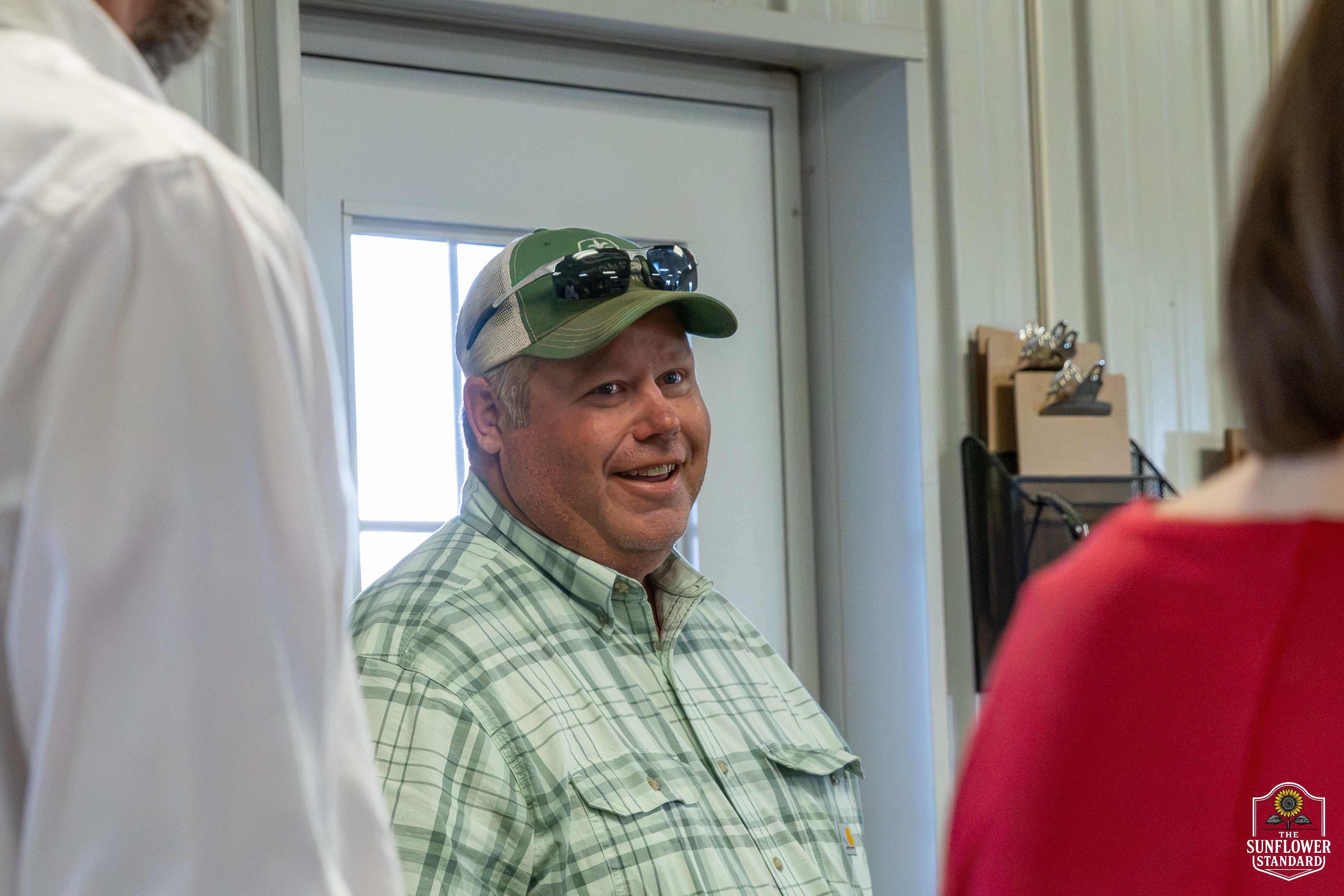
During the discussion, Stramel Farms owner Bert Stramel described why he chose to move his operation's financing to Farm Credit after working with traditional banks earlier in his career.
"I've never regretted the move," Stramel said. "They understand agriculture. They know their clientele and what they need to do to help people be successful."
Stramel also highlighted that having a loan officer who understands the seasonal nature of the business makes an efficient difference compared to traditional lenders.
The conversation quickly expanded beyond financing.
Stramel covered rising equipment costs, increasing labor shortages, difficulty finding employees willing to work in agriculture, water restrictions, fertilizer prices, transportation infrastructure and the challenges of remaining competitive in global markets.
John Friesen raised concerns about property rights and the competitive disadvantages American farmers face compared to foreign producers, particularly Brazil, while others in the group noted the impact of international conflicts ability to drive fertilizer pricing and supply.
Seyfert said one of Farm Credit Council's primary priorities is advancing what she referred to as "Farm Bill 2.0," legislation intended to strengthen agricultural safety net programs while modernizing loan programs administered alongside the Farm Service Agency.
"Our top issue right now is getting Farm Bill 2.0 across the finish line," Seyfert said, adding that the Council is also monitoring appointments to the Farm Credit Administration, the federal regulator overseeing the Farm Credit System.
The discussion also shed light on another priority for Farm Credit, make it easier for young, beginning, and small farmers to join an industry that requires increasingly larger investments in land and equipment.
Stramel reflected on how purchasing farmland early in his career helped establish his operation but acknowledged the barriers facing the next generation.
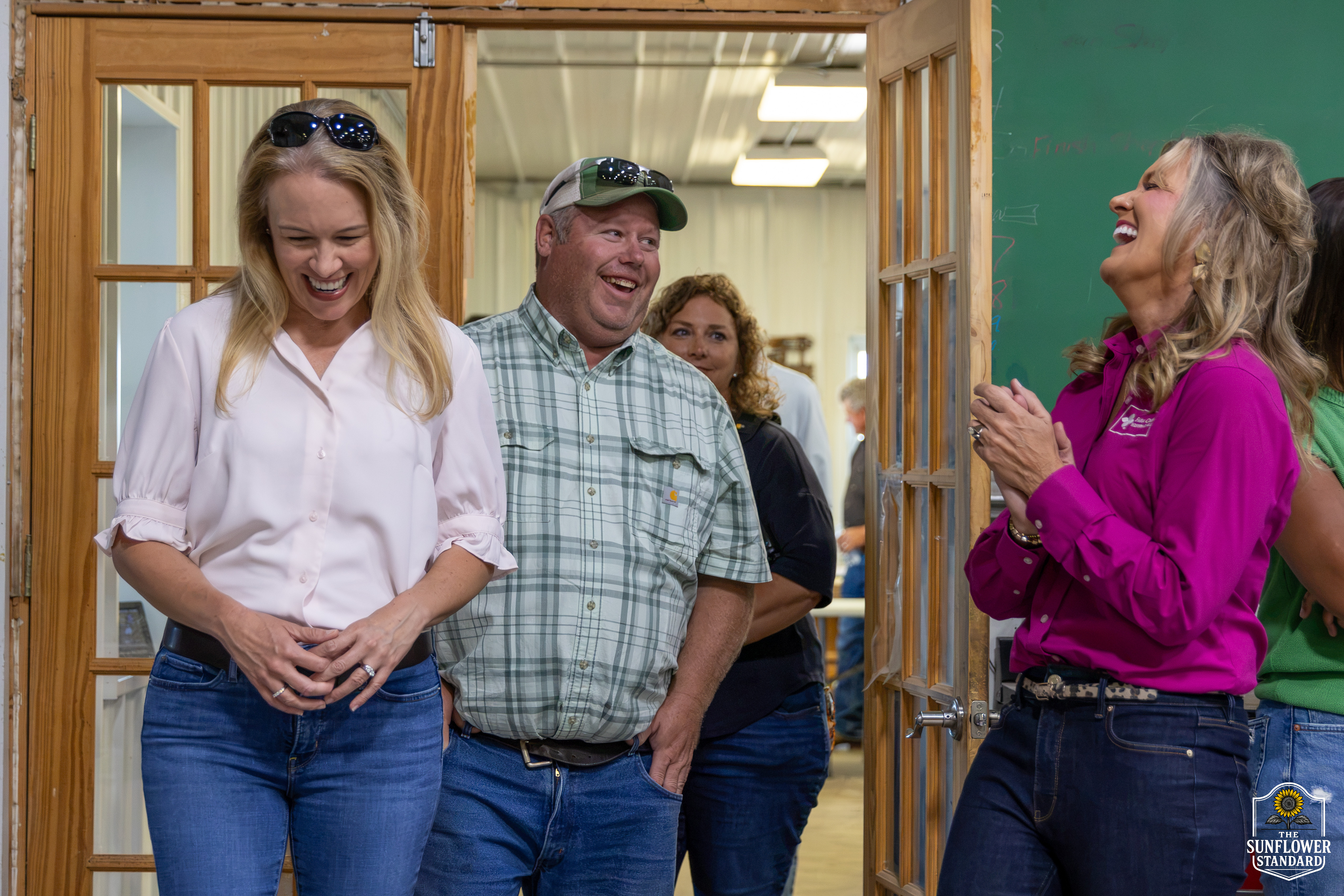
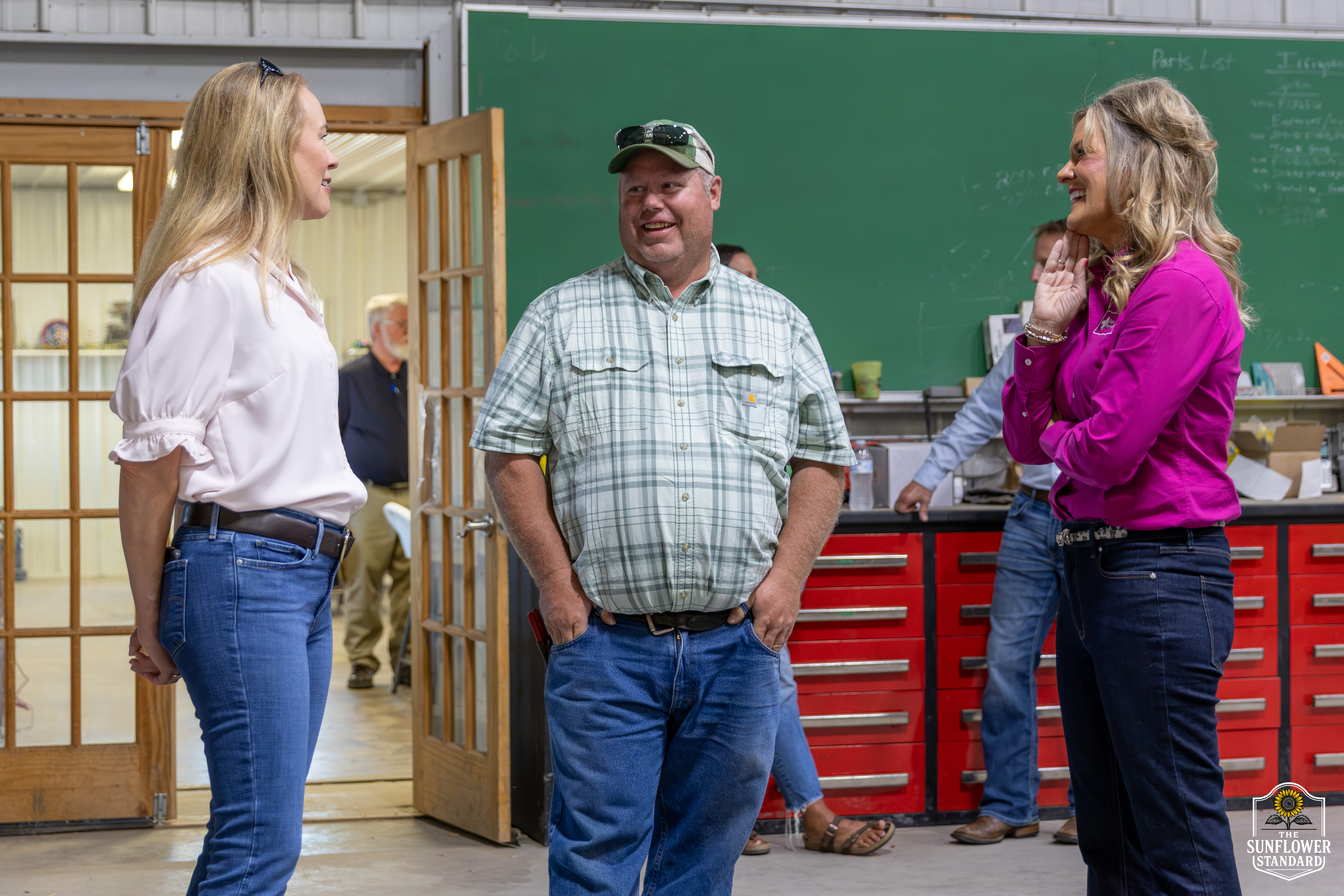
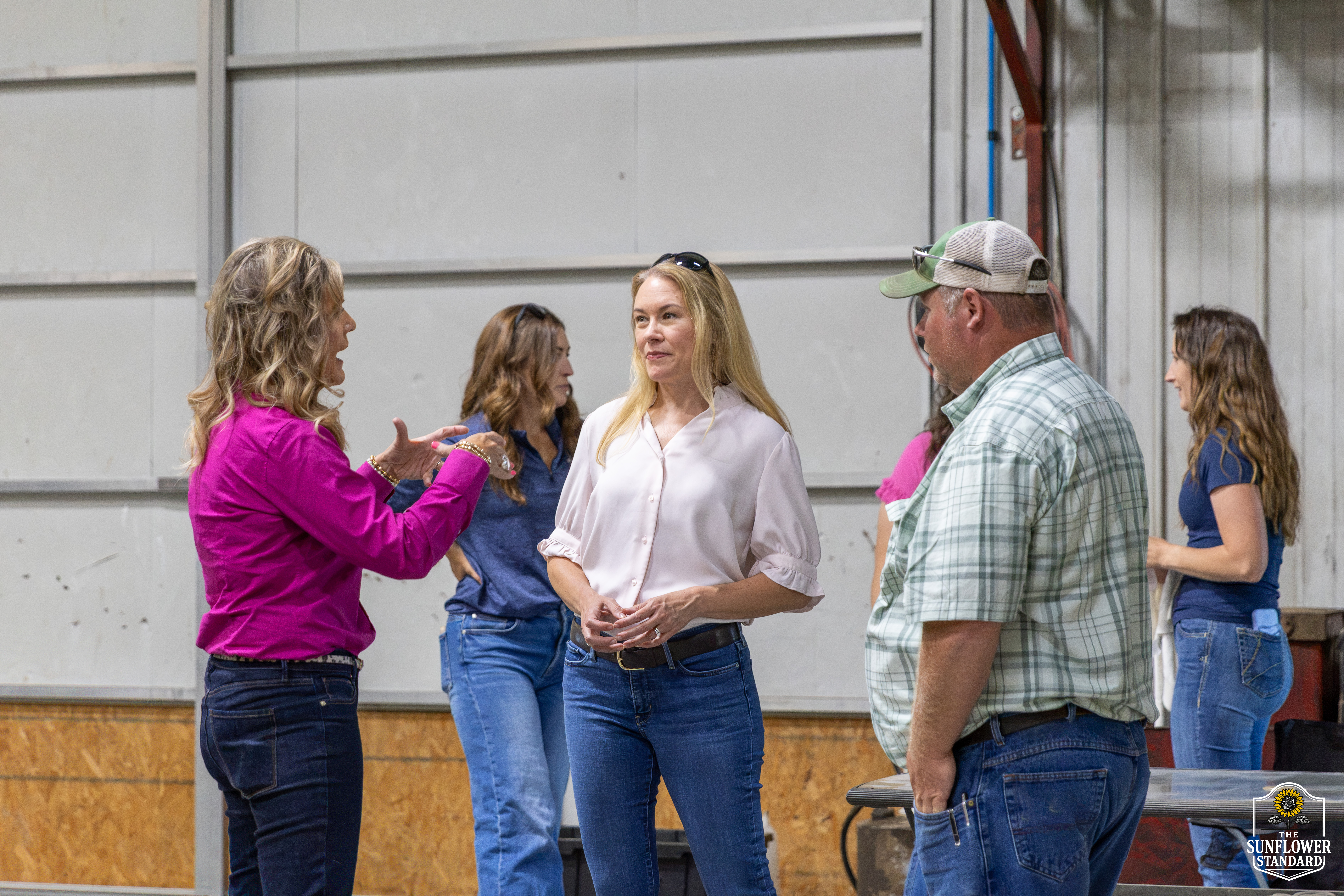
"It takes so much capital to farm," he said, describing the challenge of helping new producers get started.
Seyfert encouraged producers to continue sharing concerns directly with Farm Credit leaders, explaining that those conversations help shape the organization's advocacy efforts in Washington.
Much of that work, she noted, happens behind the scenes by building relationships not only with members of Congress but also with committee staff responsible for drafting legislation.
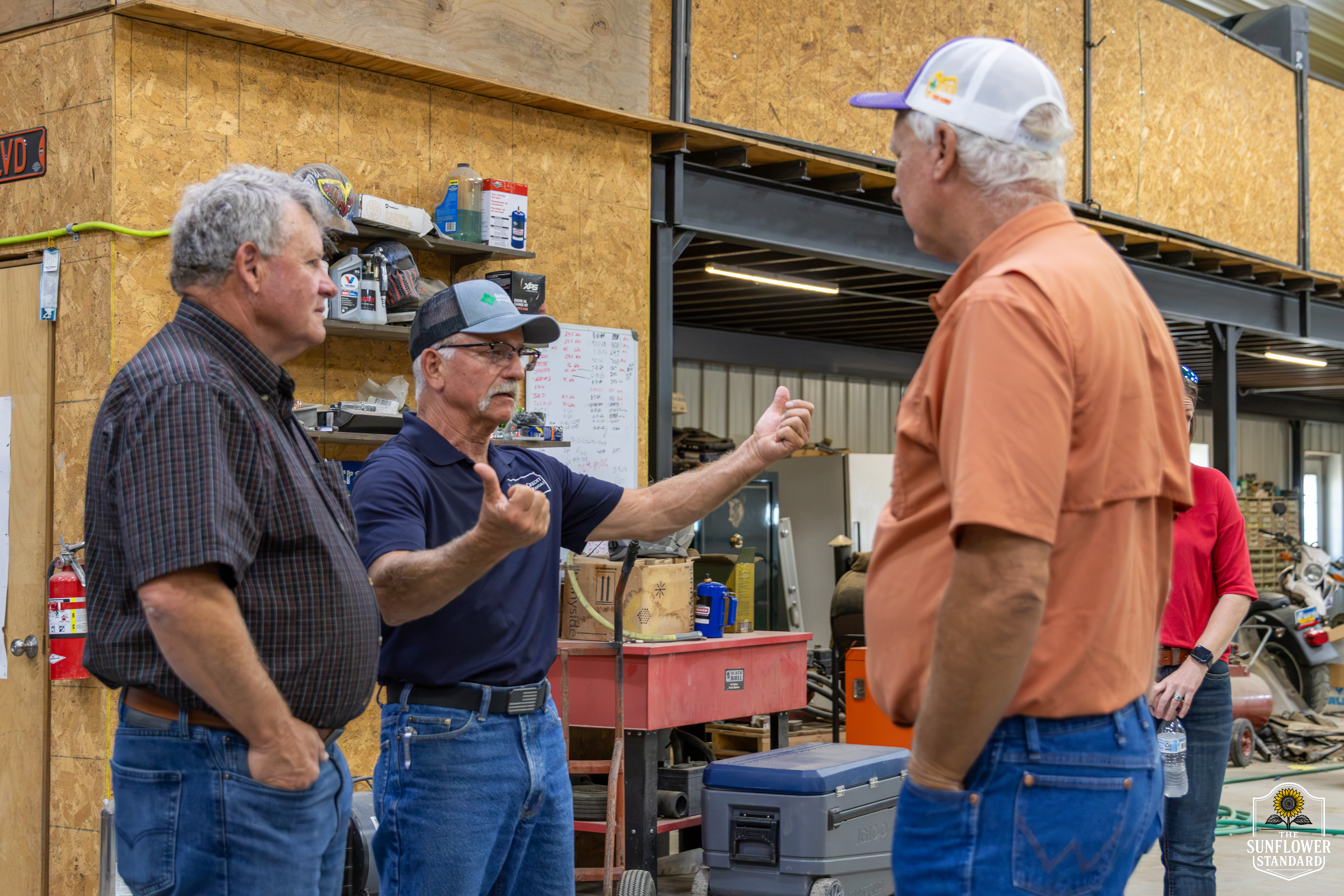
Following the discussion, the group of more than two dozen explored the Stramel Farm with Seyfert taking time to understand more about western Kansas crop production, irrigation practices, and the region’s family farmers. It was her first trip to western Kansas, providing her firsthand view of the producers whose interest Farm Credit Council represents on a national stage.