


The Voices Behind the Sirens: An Inside Look at Colby Communications
October 28, 2026
In a crisis, help often begins with a voice.
It may be the calm voice that answers when someone calls 911, even as the caller struggles to explain what has happened. It may be the steady questions that help pinpoint an address, assess the scene and guide someone through first aid while emergency crews are on their way.
For the people of Thomas County, those voices belong to the team at Colby Communications—often unseen, but always listening.
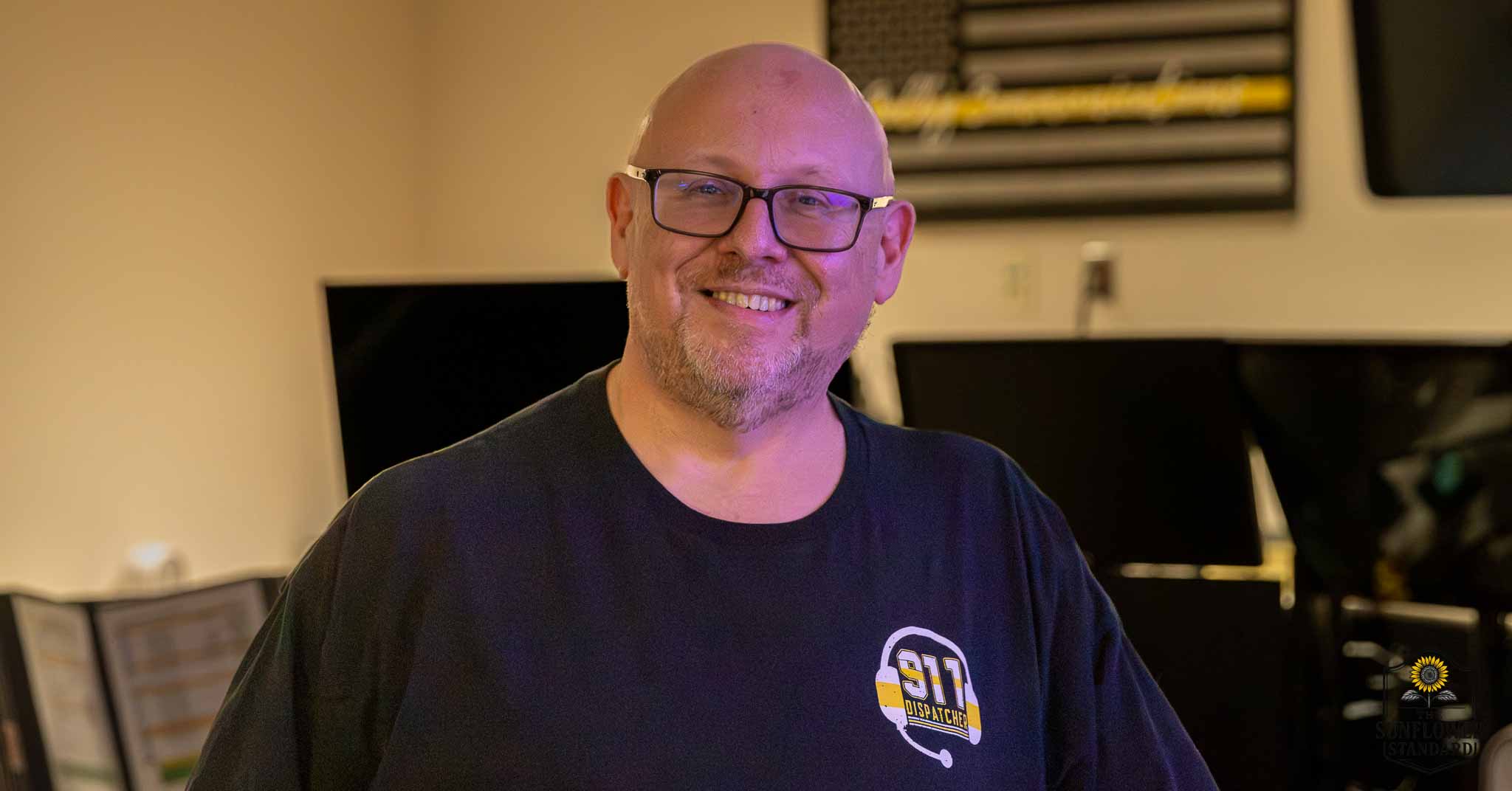
Inside a secure, windowless room, computer monitors illuminate a busy dispatch floor. A dispatcher may be typing details from one call, checking map coordinates, listening to several radio channels and making sure the right agency is sent to the right place—all at once.

The calls can be as varied as the people who make them. One may be routine. Another may come from a child playing with an old phone. Then, without warning, a dispatcher may be helping someone through a multicar collision or the worst day of their life.
In those first moments, dispatchers must find their own calm and help the caller find theirs. They work to locate the emergency, understand what is happening, check for dangers to responders and send help. They may also give lifesaving instructions while a caller is frightened, injured or in shock. Dispatch is not simply answering the phone and passing along information. It is a critical part of the response from the very beginning.
Colby Communications dispatches for the Colby Police Department, Thomas County Sheriff’s Department, Colby Fire Department, Thomas County EMS, Rexford Fire Department, Brewster Fire Department, Colby Public Power and Colby Public Works. The team also assists local Kansas Highway Patrol and Kansas Wildlife and Parks personnel and backs up surrounding counties when call volumes rise.
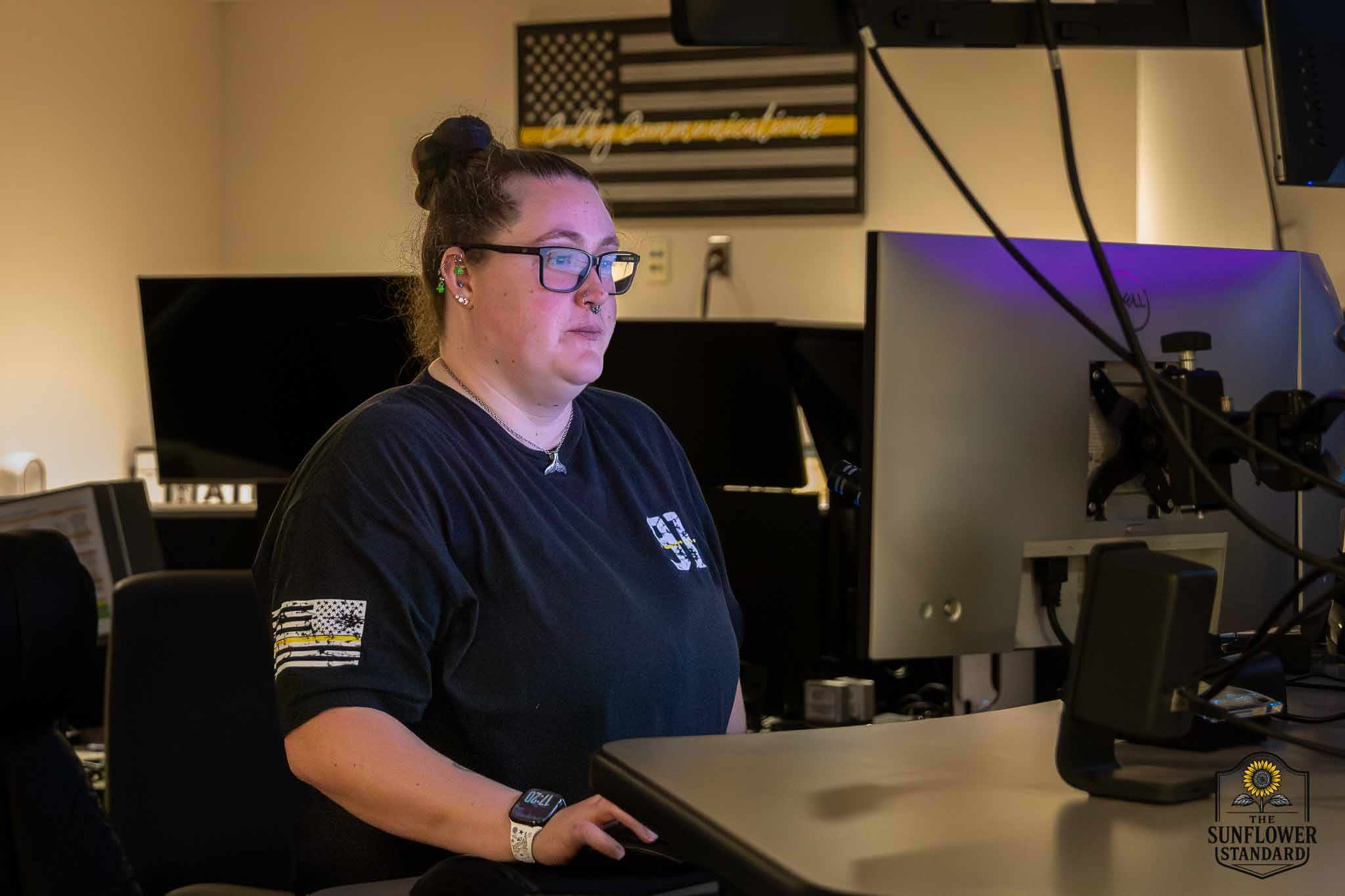
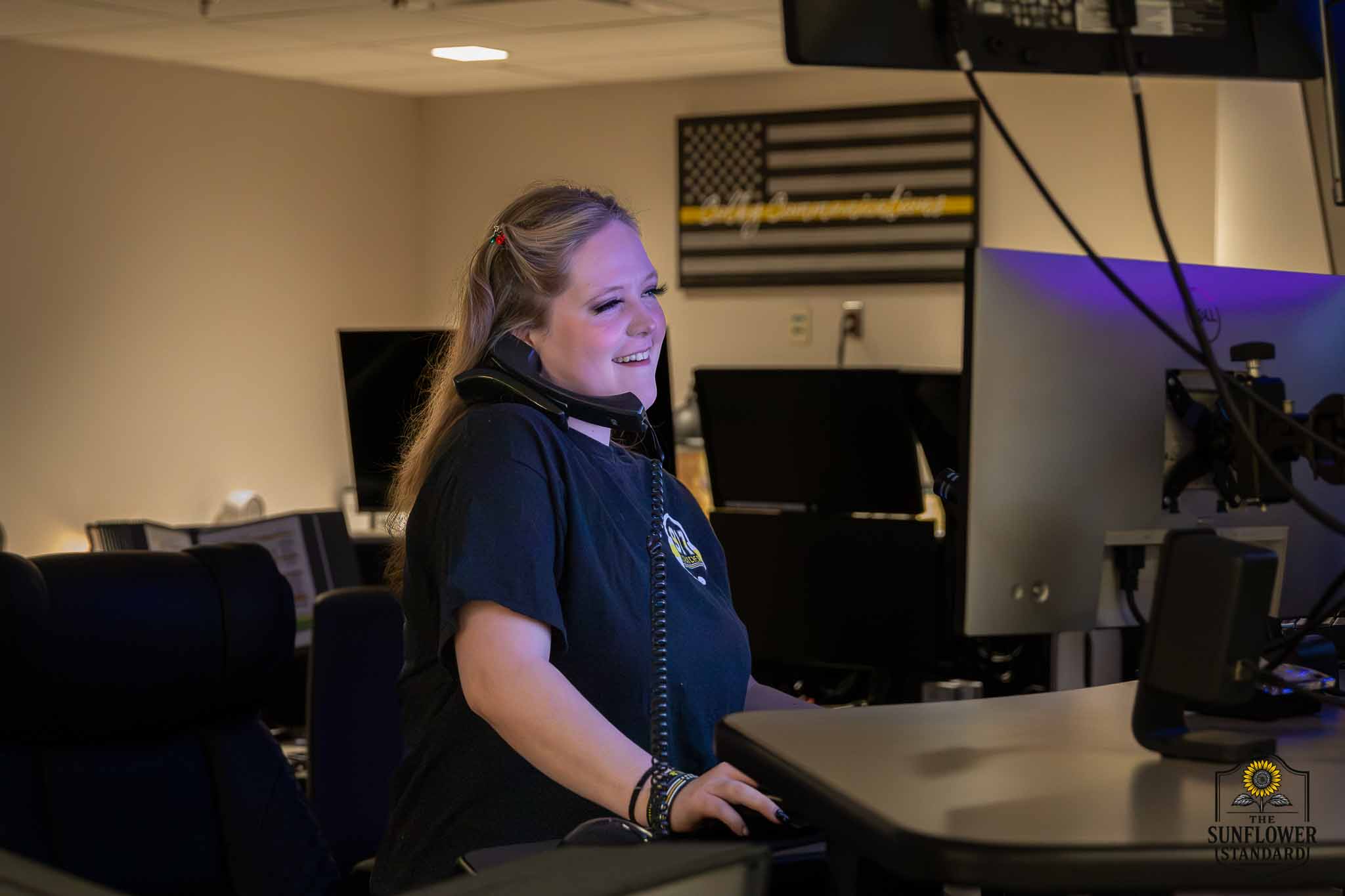
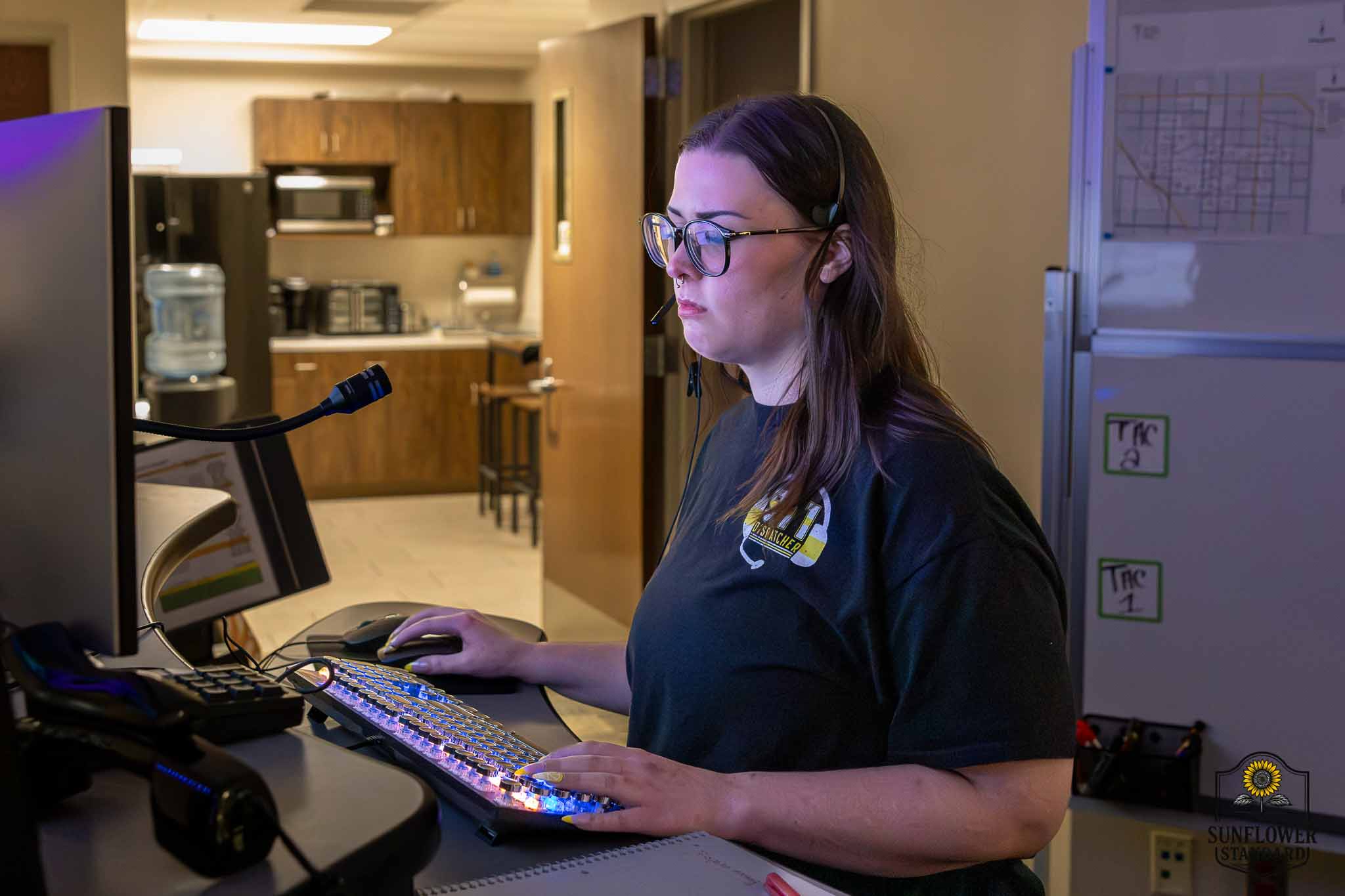
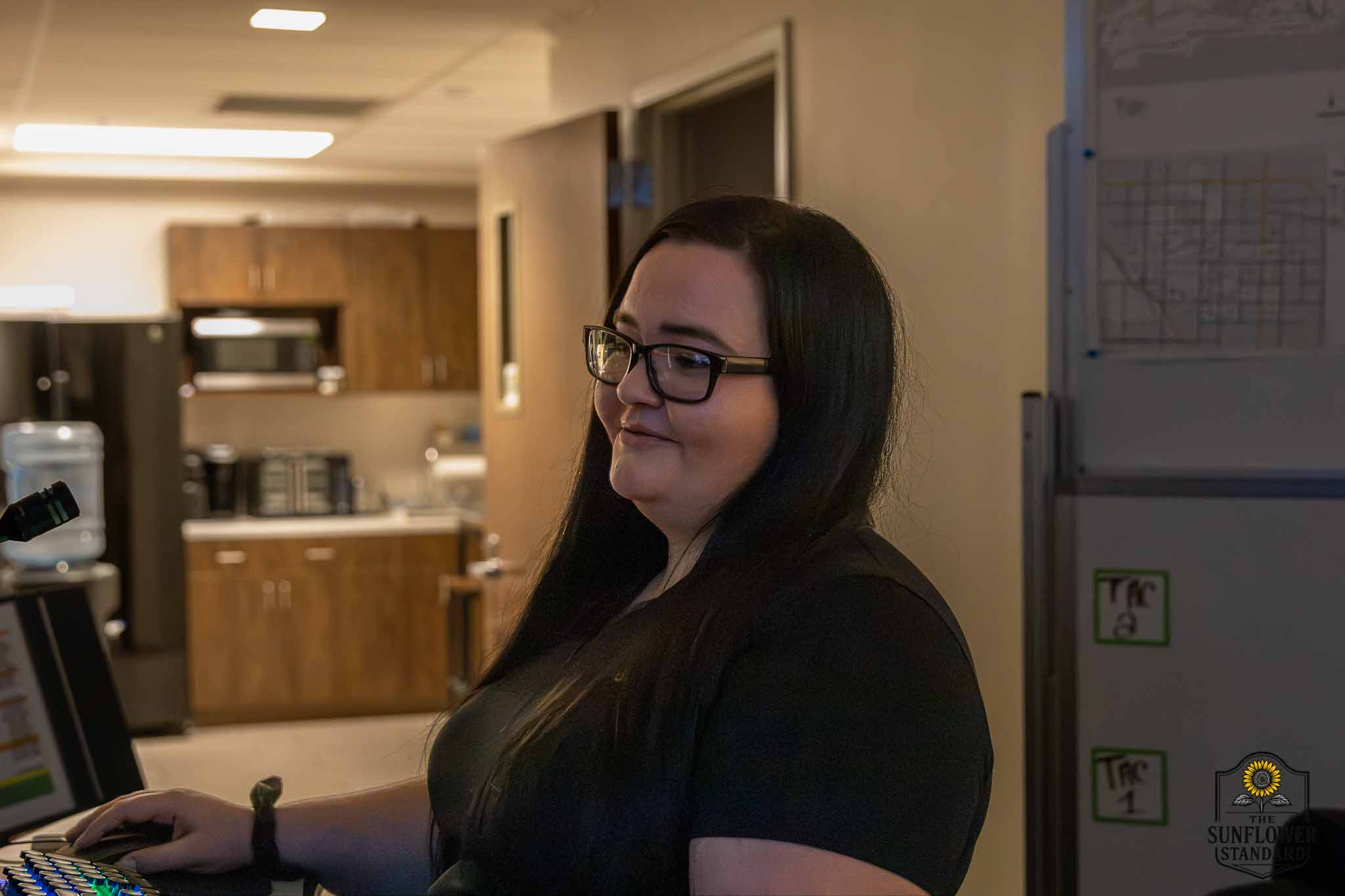
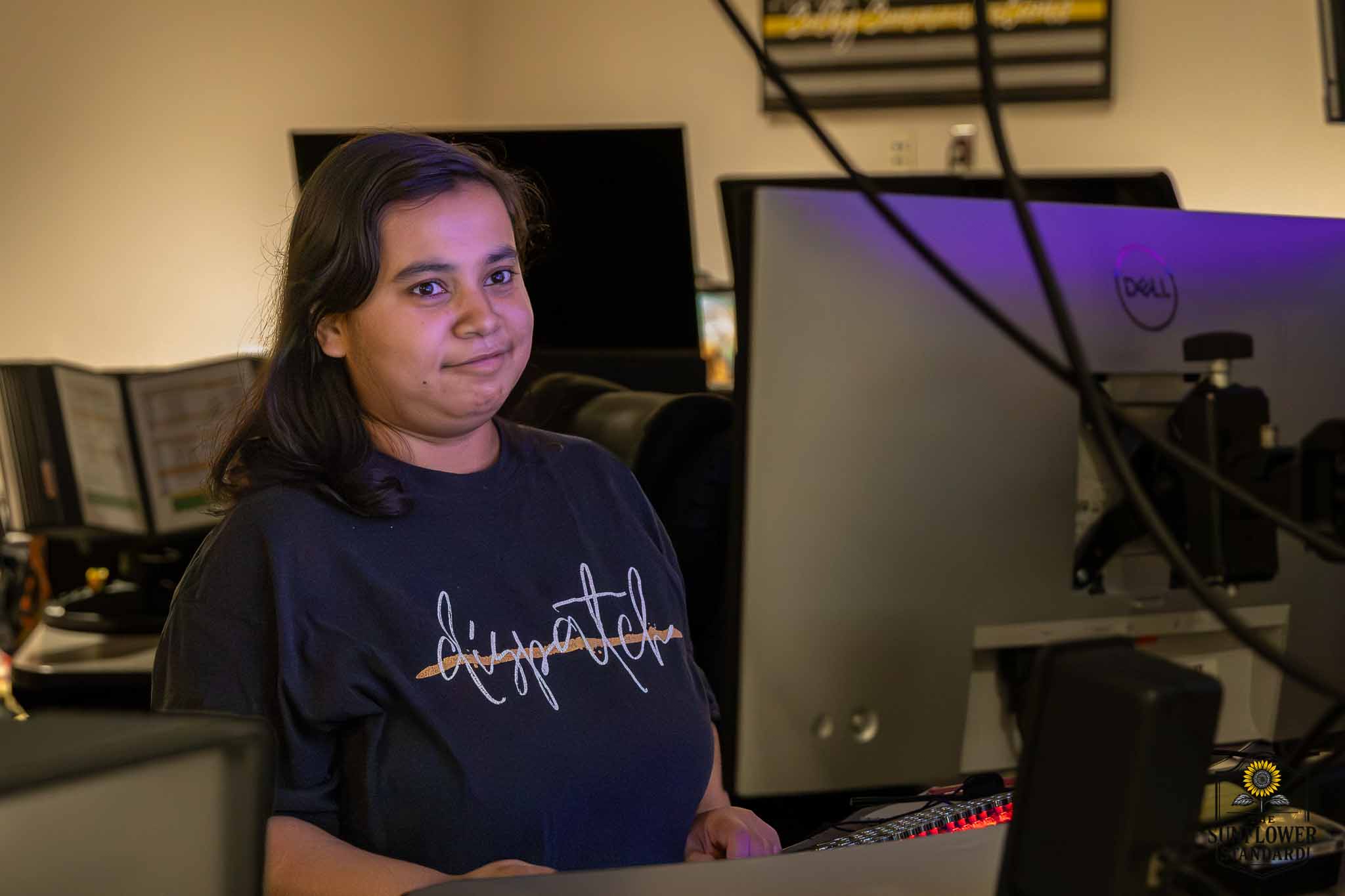
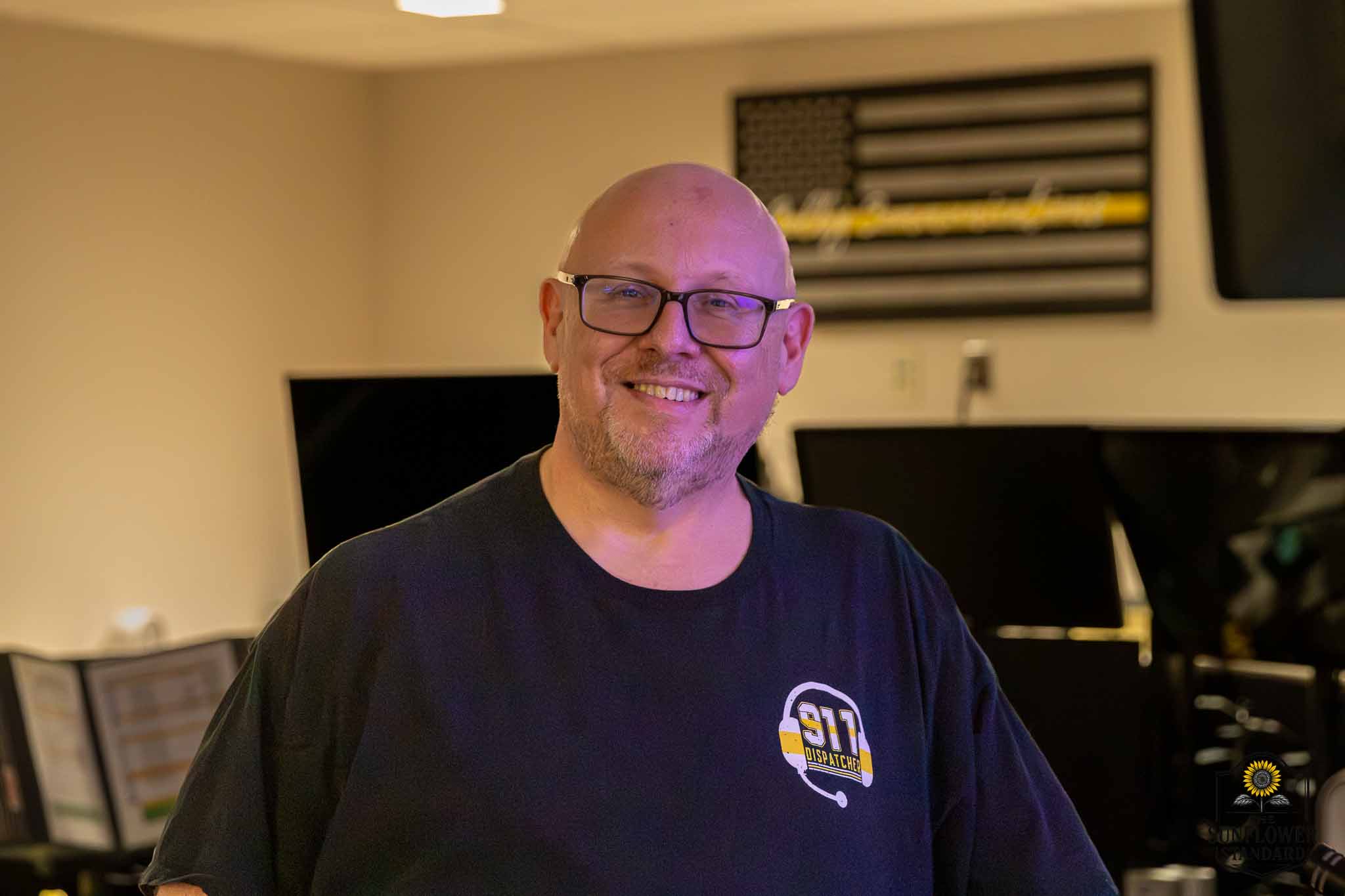
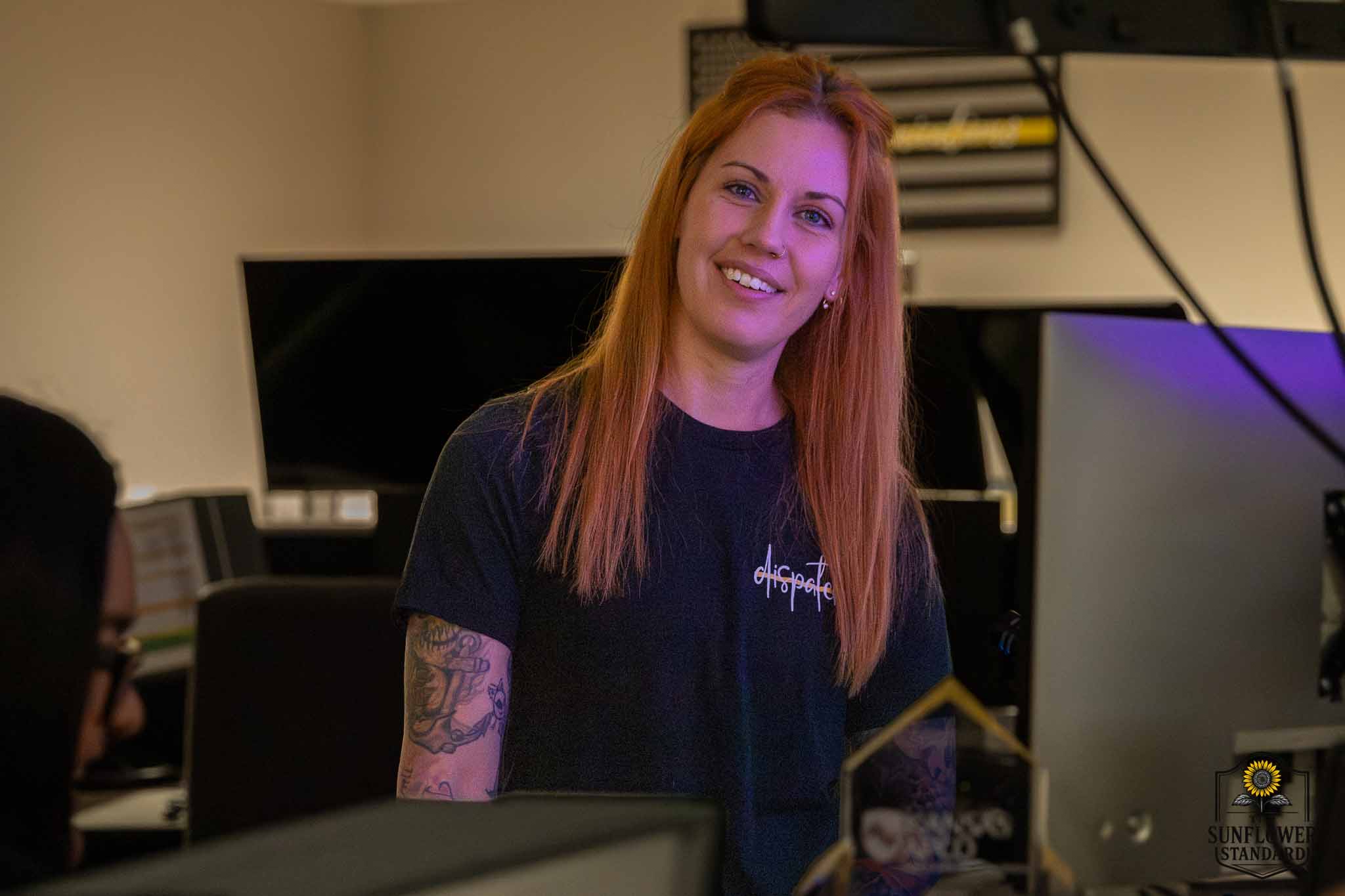
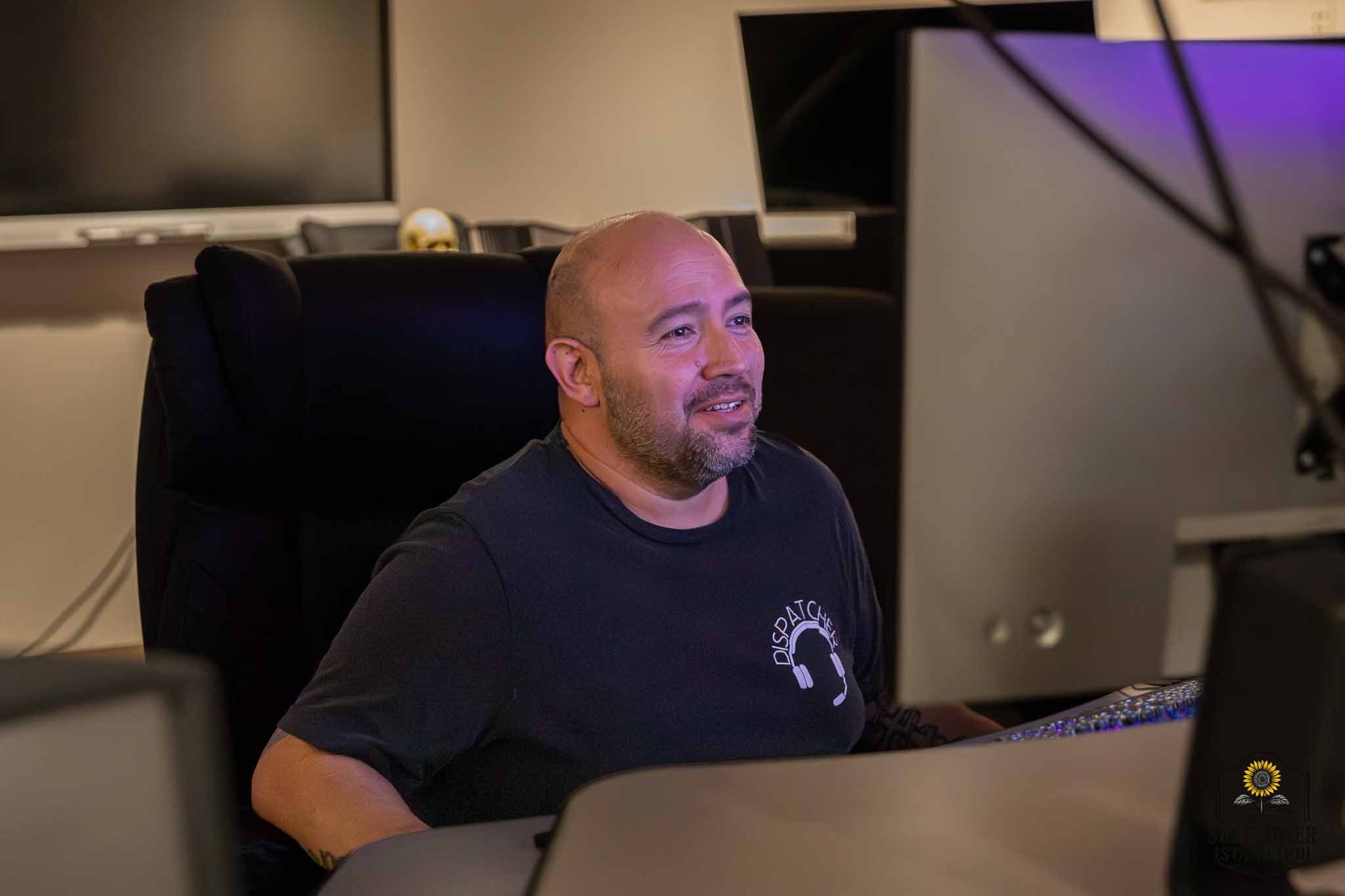
Eight dispatchers keep that work going around the clock. They work rotating 12-hour shifts—four days on, followed by four days off—covering nights, weekends and holidays. The schedule can mean missing family occasions, including a child’s school recital. The team’s commitment to serving Thomas County makes those sacrifices worthwhile.
The team brings a range of experience to the console:
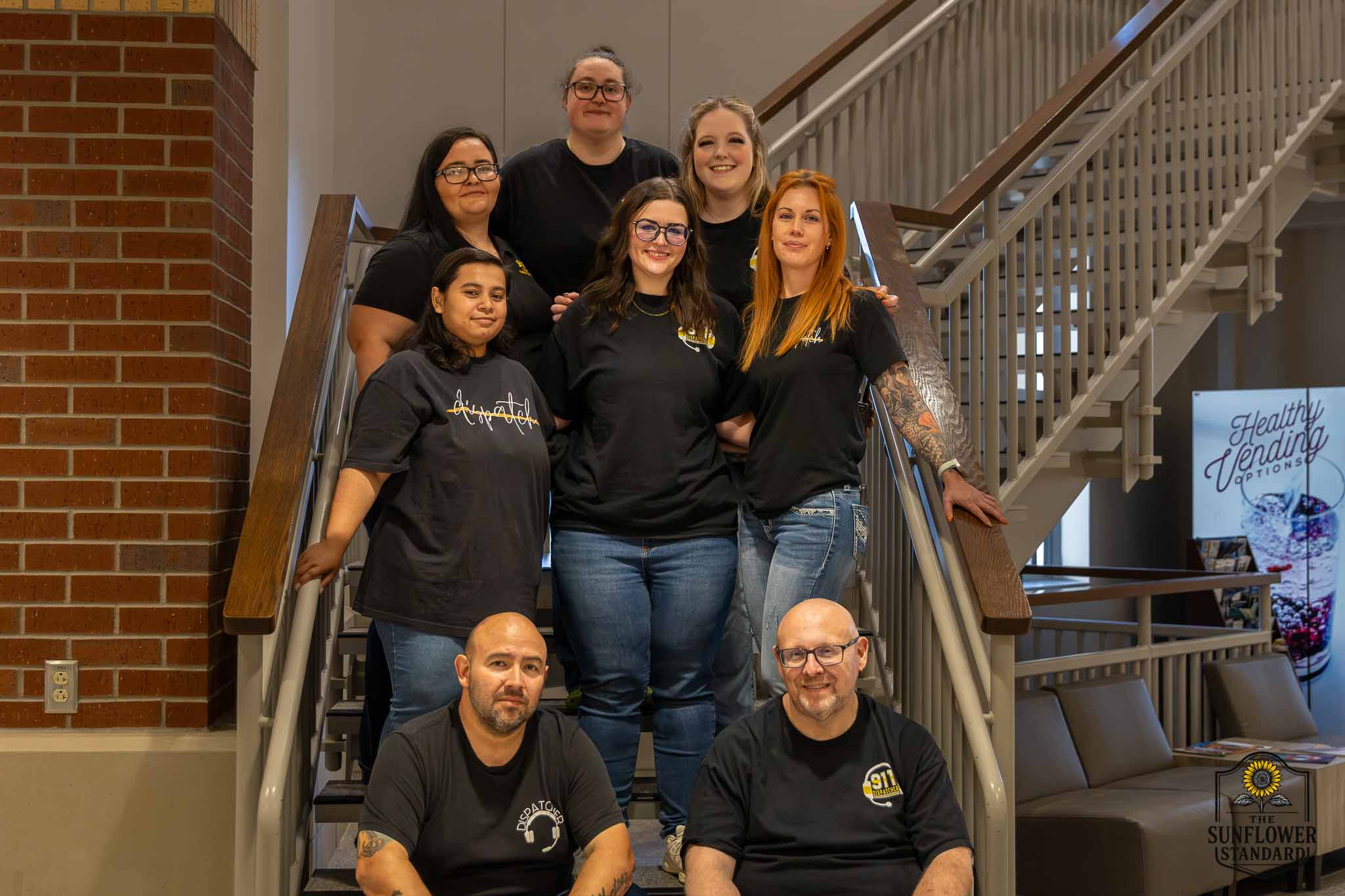
Chief Communications Officer Andrea Davis — 18 years
Assistant Chief Communications Officer Aisha Reed — 3 years
Communications Officer 2 Olivia Burian — 5 years
Communications Officer 2 Jatana Hurd — 4 years
Communications Officer 2 Riley Harkins — 10 months with Colby and 3 years with another agency
Communications Officer 2 Greg Boyson — 3 years
Communications Officer 1 Bhumika Bhakta — 6 months
Communications Officer 1 Michael Collier — 2 months
The work takes an emotional toll, too. Dispatchers hear people’s worst moments day after day, and that repeated exposure can lead to fatigue, vicarious trauma or PTSD. Colby Communications takes that seriously. The team works to maintain a family-like atmosphere, checking in with one another after difficult calls and recognizing that the same call can affect each person differently. Looking after one another is part of being able to keep showing up for the community.
The next time you hear sirens heading across town, remember that a dispatcher is already working behind the scenes: listening, asking questions, coordinating help and supporting everyone involved. Their voices may not be the ones you see at the scene, but they are an essential link between a person in need and the responders on their way.
To everyone at Colby Communications: thank you for answering, guiding and caring for Thomas County, call after call. Your work matters, even when it happens out of sight.
How to Help When You Call 911
A few clear steps can help dispatchers get the right help moving quickly: