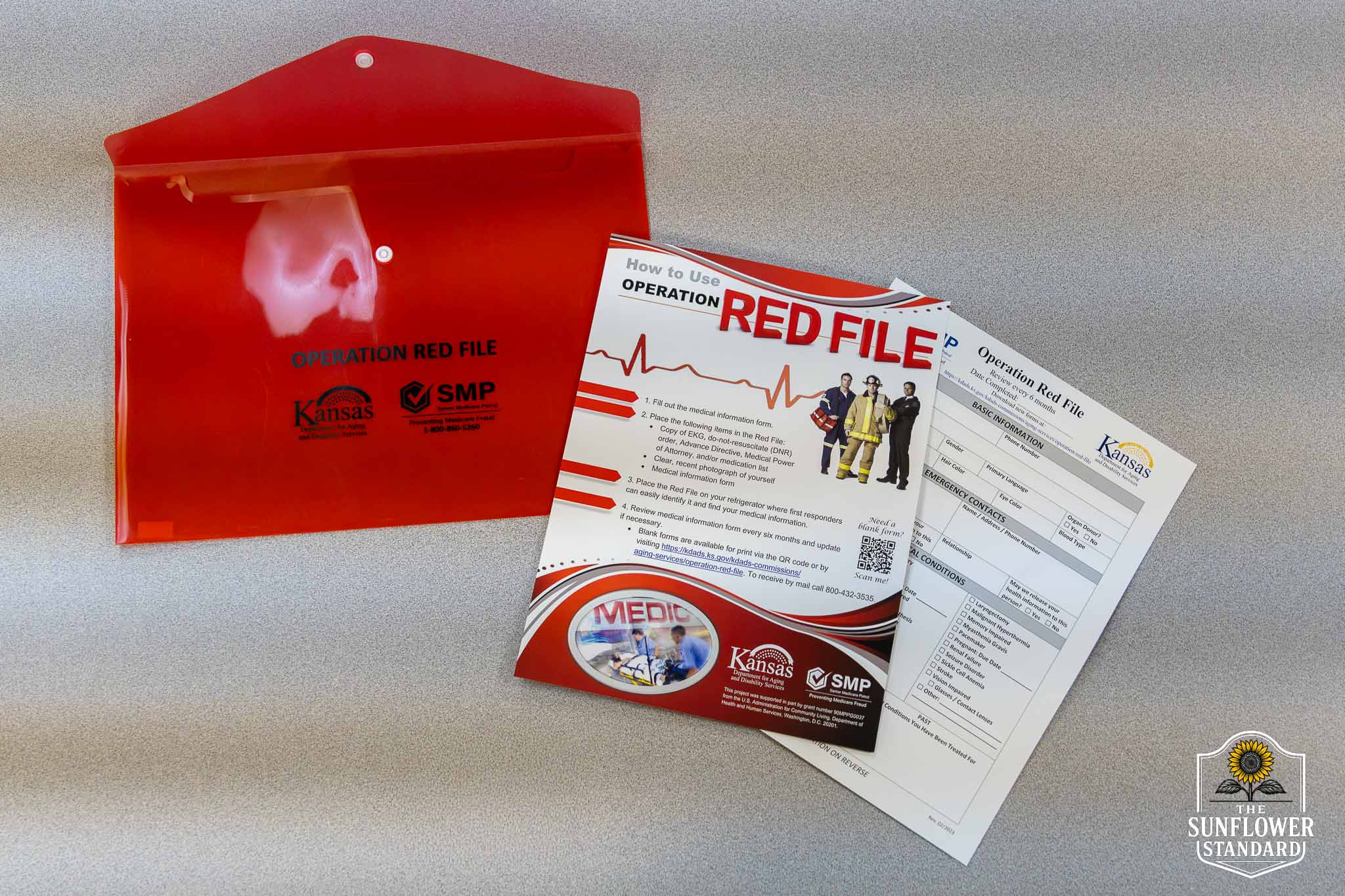



New monitors add capability to Thomas County EMS response
October 28, 2026
Two new cardiac monitors are joining Thomas County Emergency Medical Services’ fleet, giving crews updated equipment to assess and care for patients during emergencies.
The department recently purchased two Stryker LIFEPAK 35 monitor/defibrillators. Each combines a cardiac monitor with a defibrillator and supports tools such as ECG monitoring, vital-sign tracking and defibrillation. Stryker says the device also has a large touchscreen and can transmit patient data through connected features. stryker.com
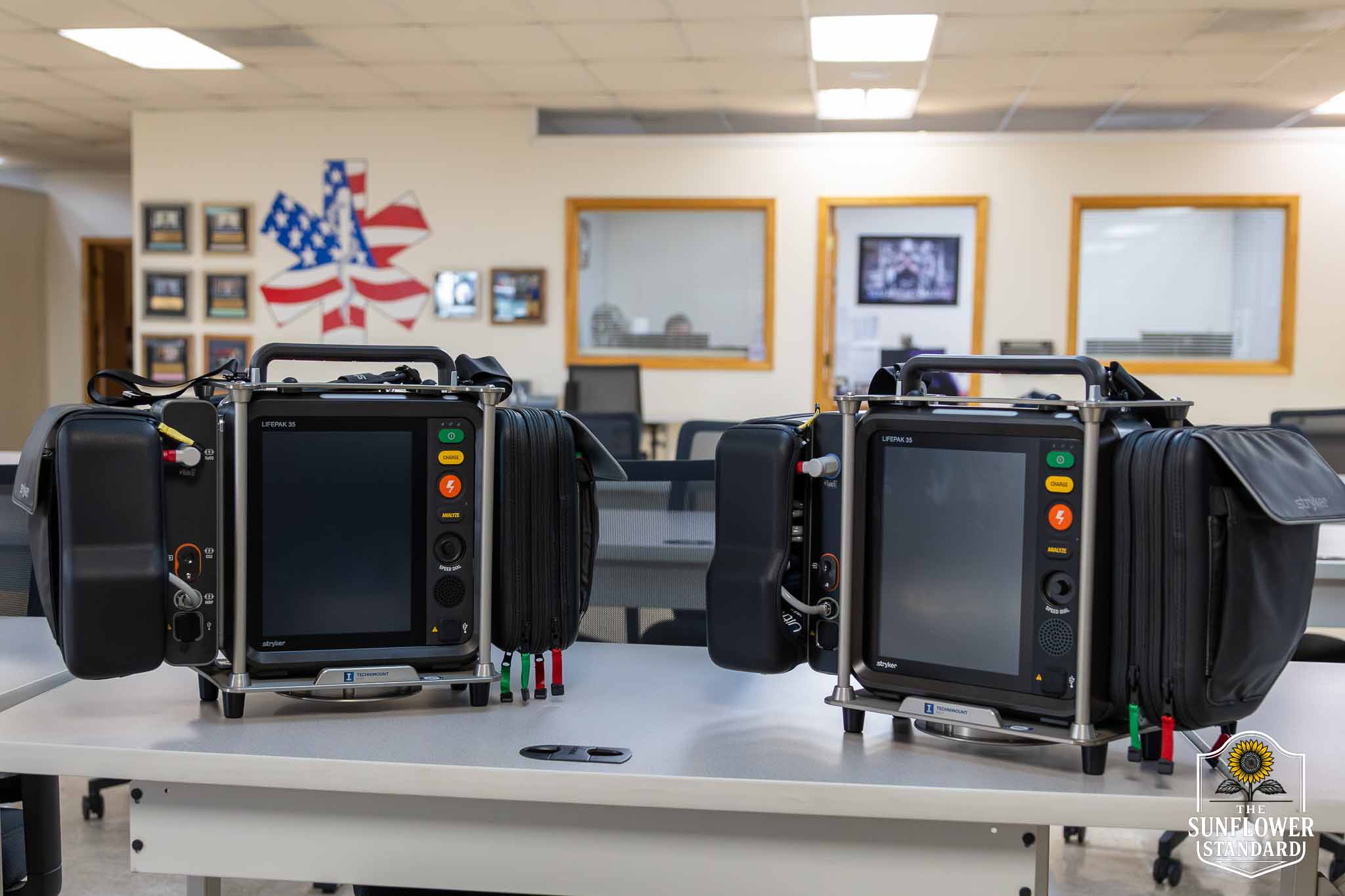
For EMS crews, the monitor is an important source of information while they evaluate a patient and travel to the hospital. The LIFEPAK 35 can display 12- and 15-lead ECG information, and its cprINSIGHT technology is designed to analyze heart rhythms during chest compressions to help reduce pauses.
Reese told the group the department had trained on the new equipment and was preparing to put it into service. The purchase is part of a longer-term plan to update monitors across the fleet. Reese said the department needs six units in total and has acquired two so far. Existing monitors were purchased in 2020, and he said the department is beginning to plan for their replacement.

The two LIFEPAK 35 units cost about $112,000, according to Reese. The purchase was not grant funded; the county commission agreed to share the cost with the department, with payments spread across three years. Reese said a monitor that cost about $28,000 in 2020 now costs roughly $56,000, underscoring the expense of keeping essential medical equipment current.
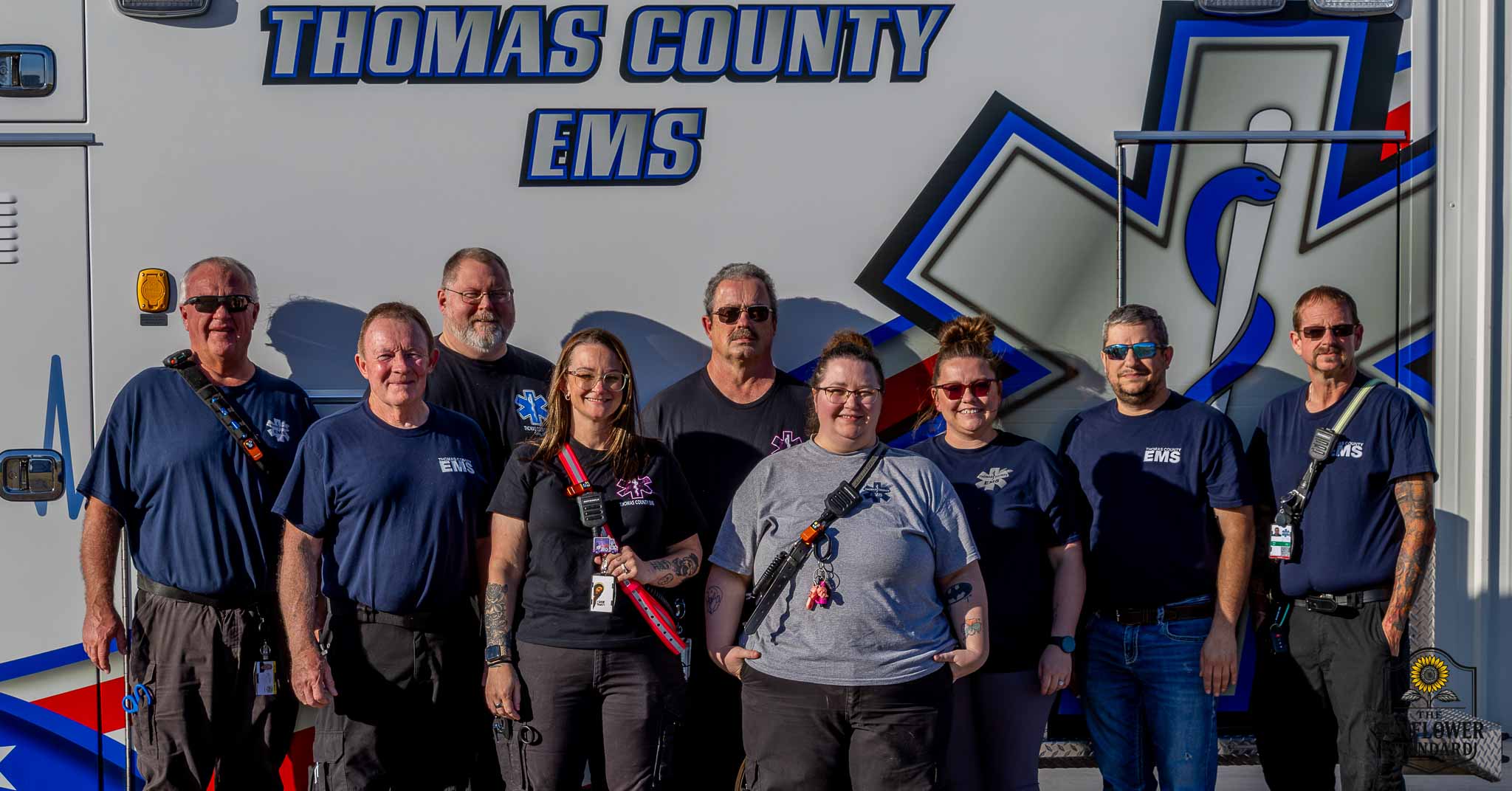
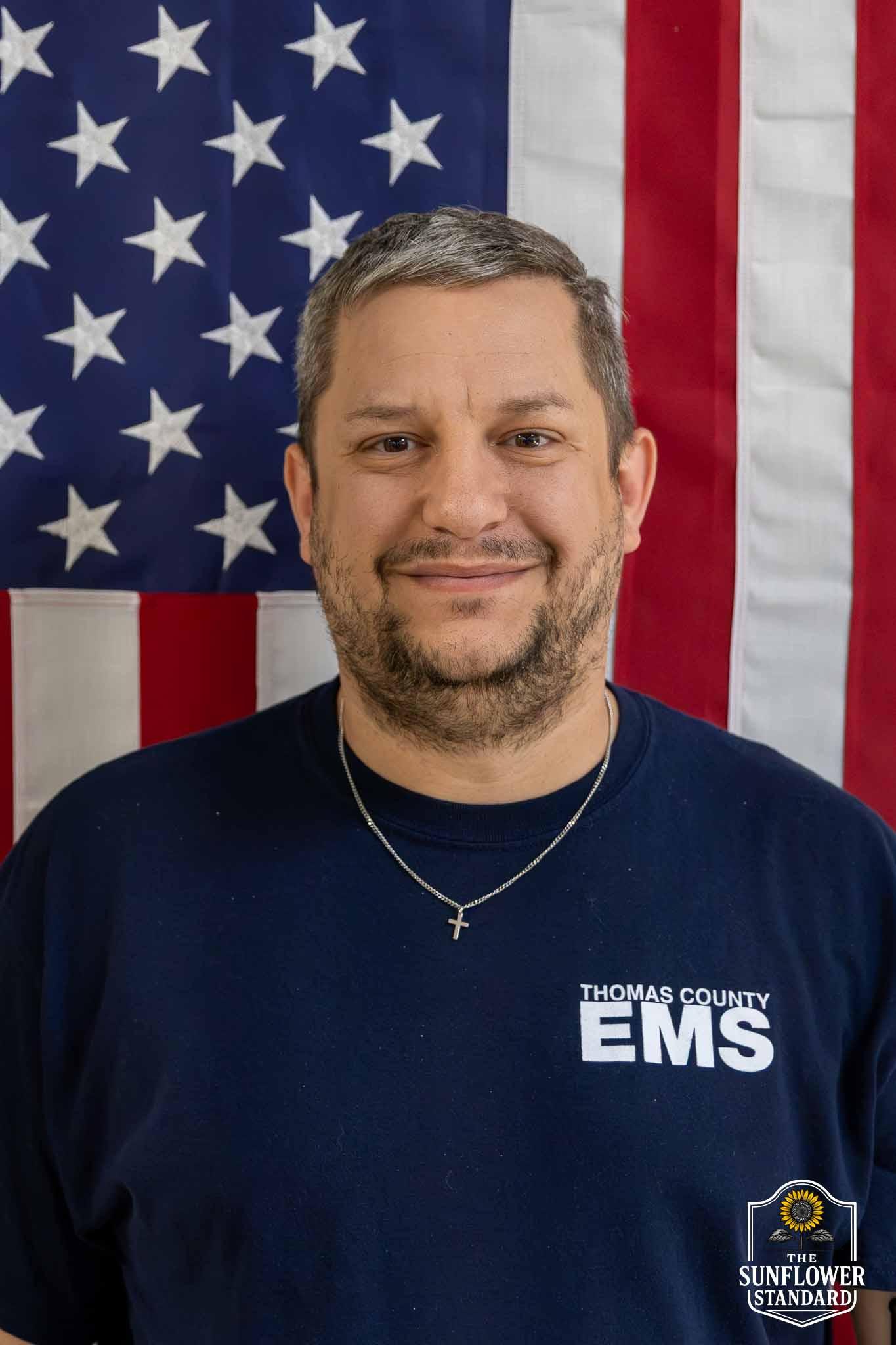
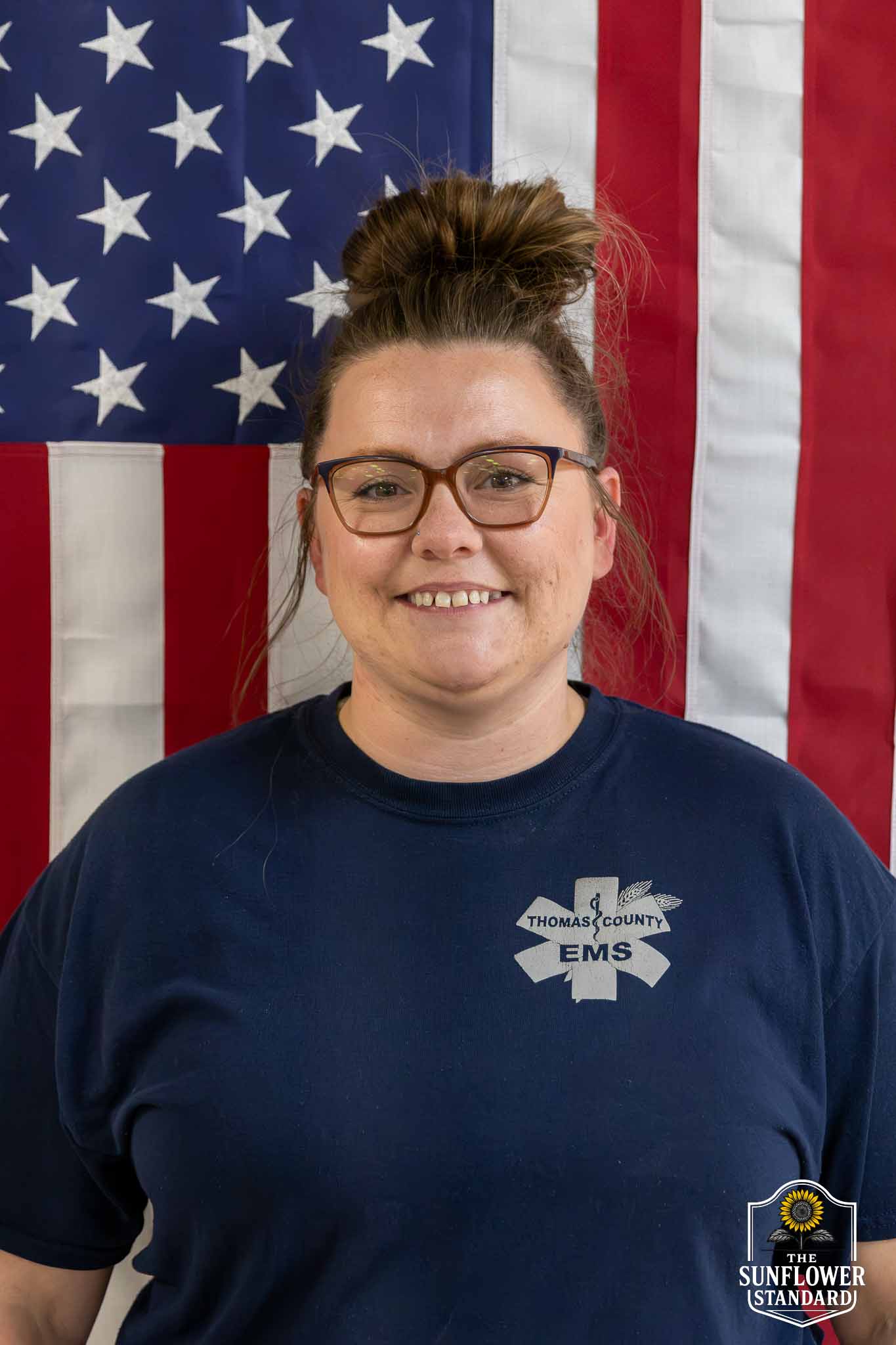
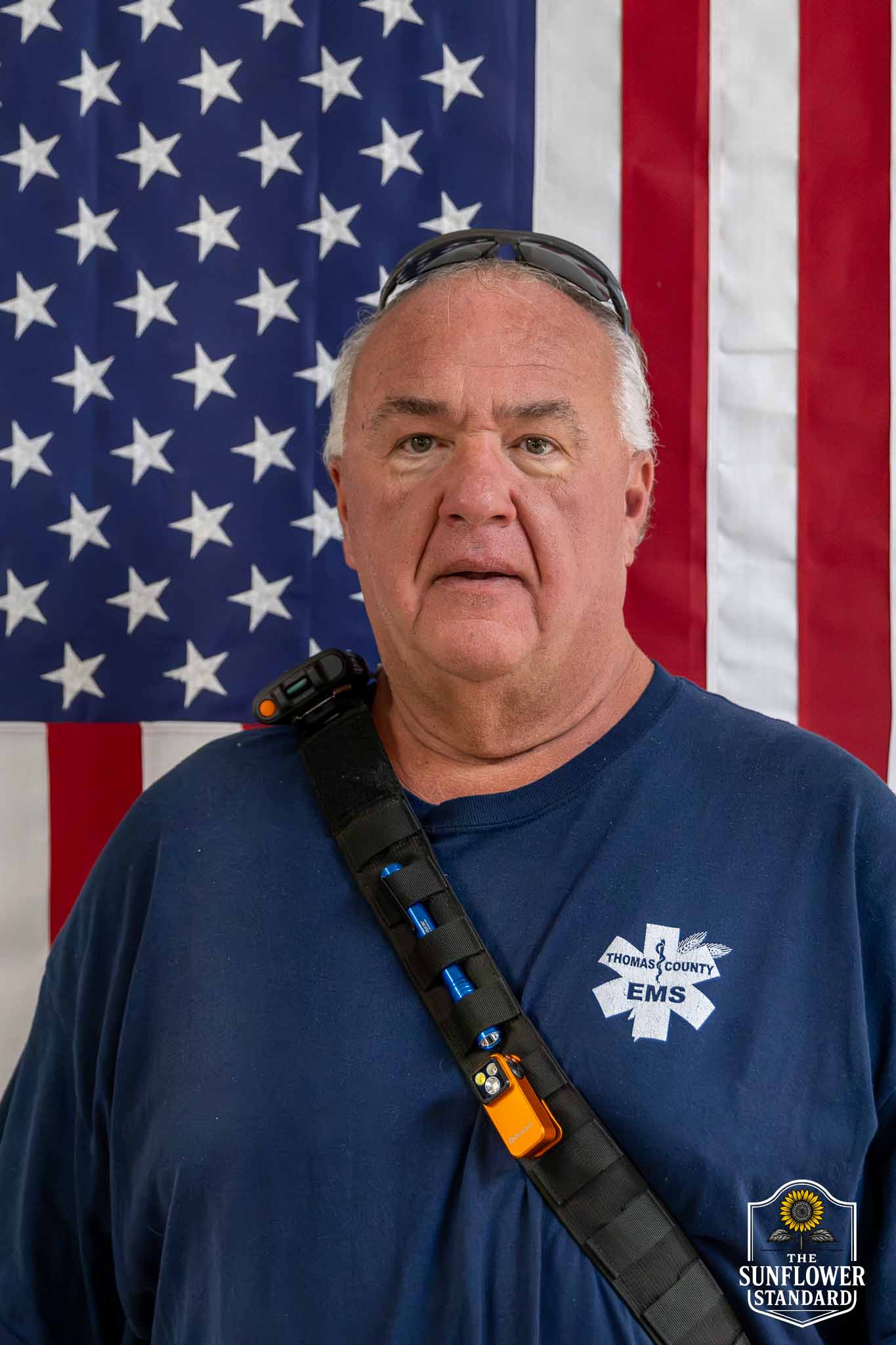
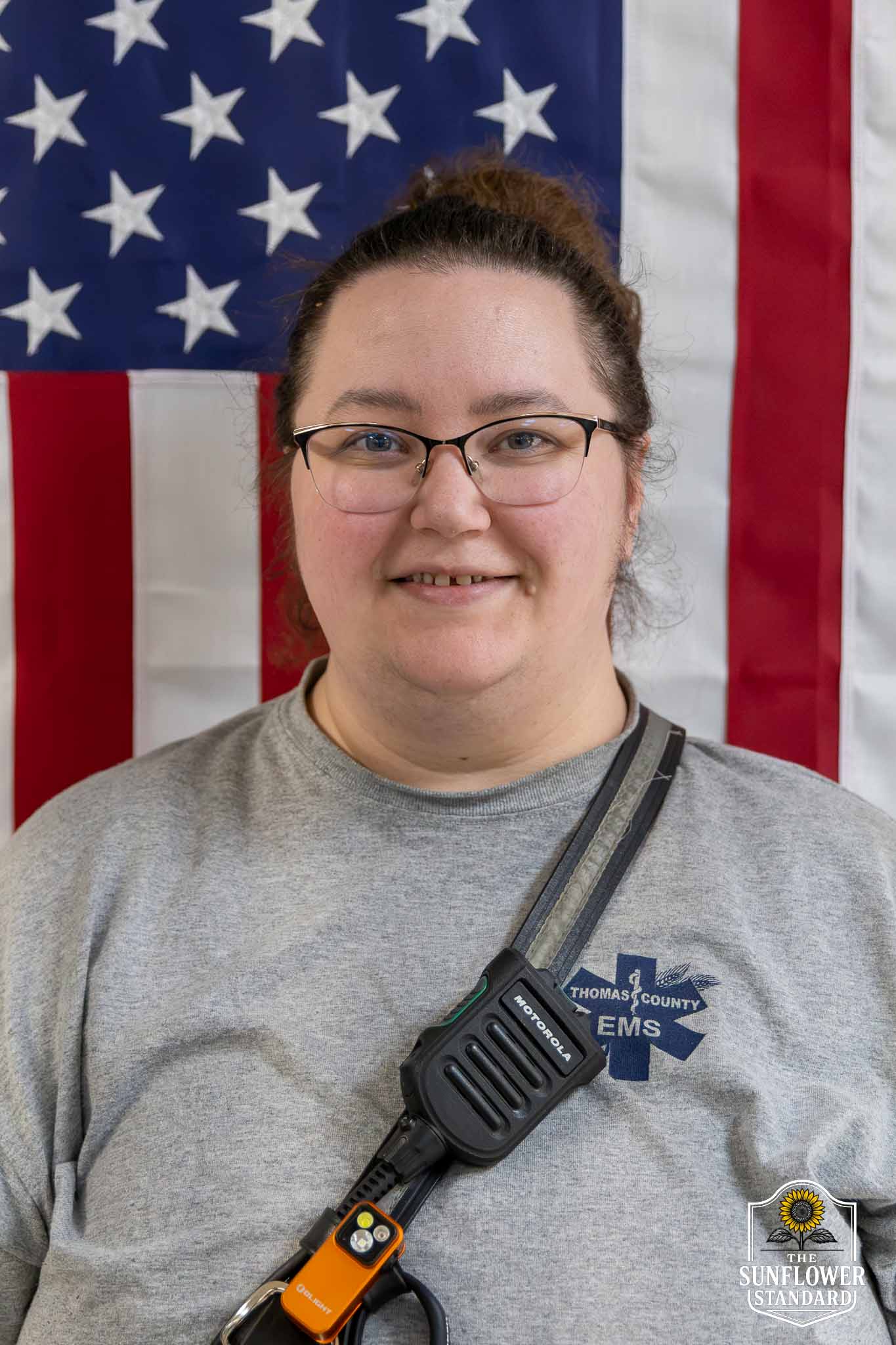
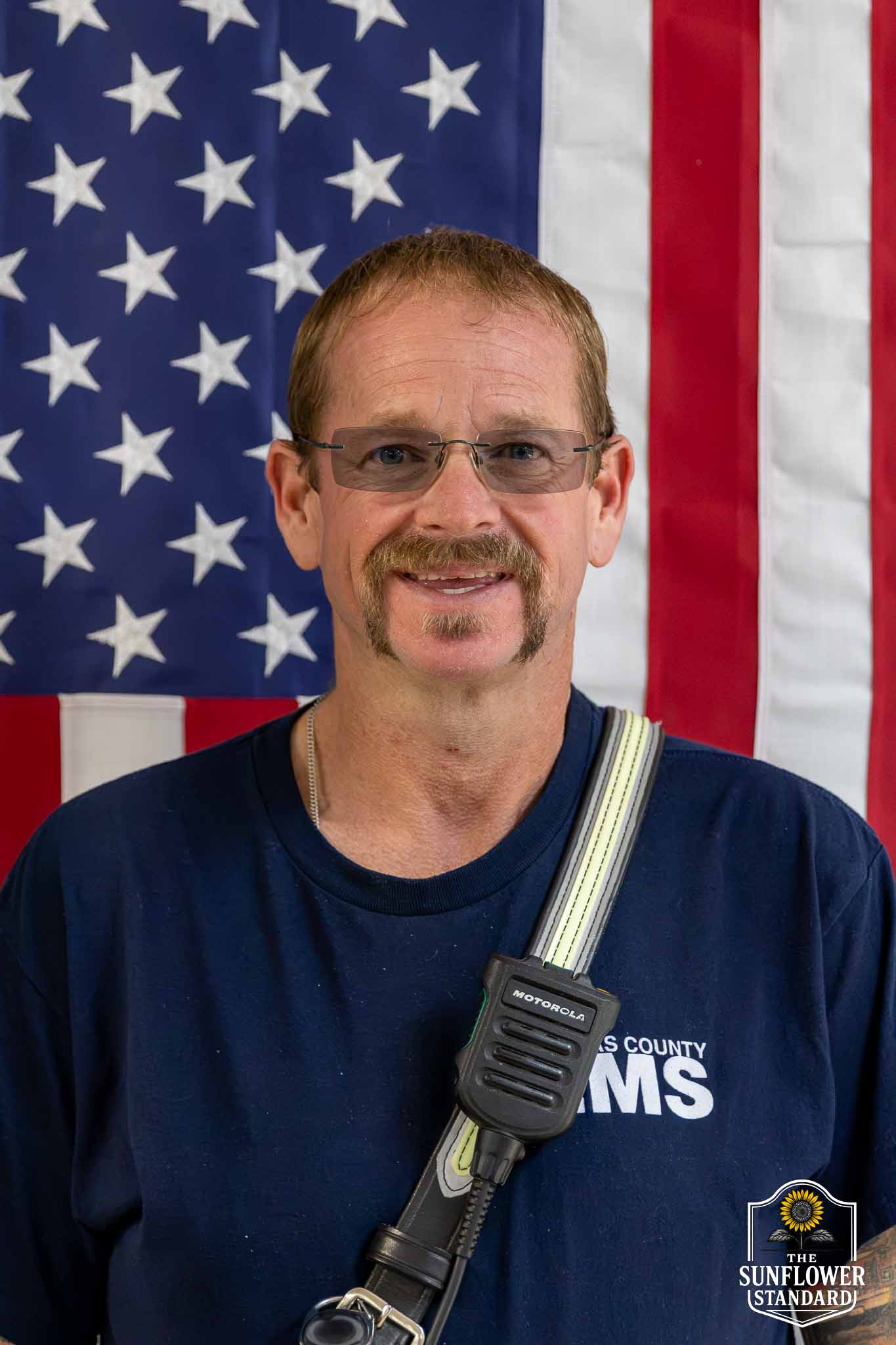
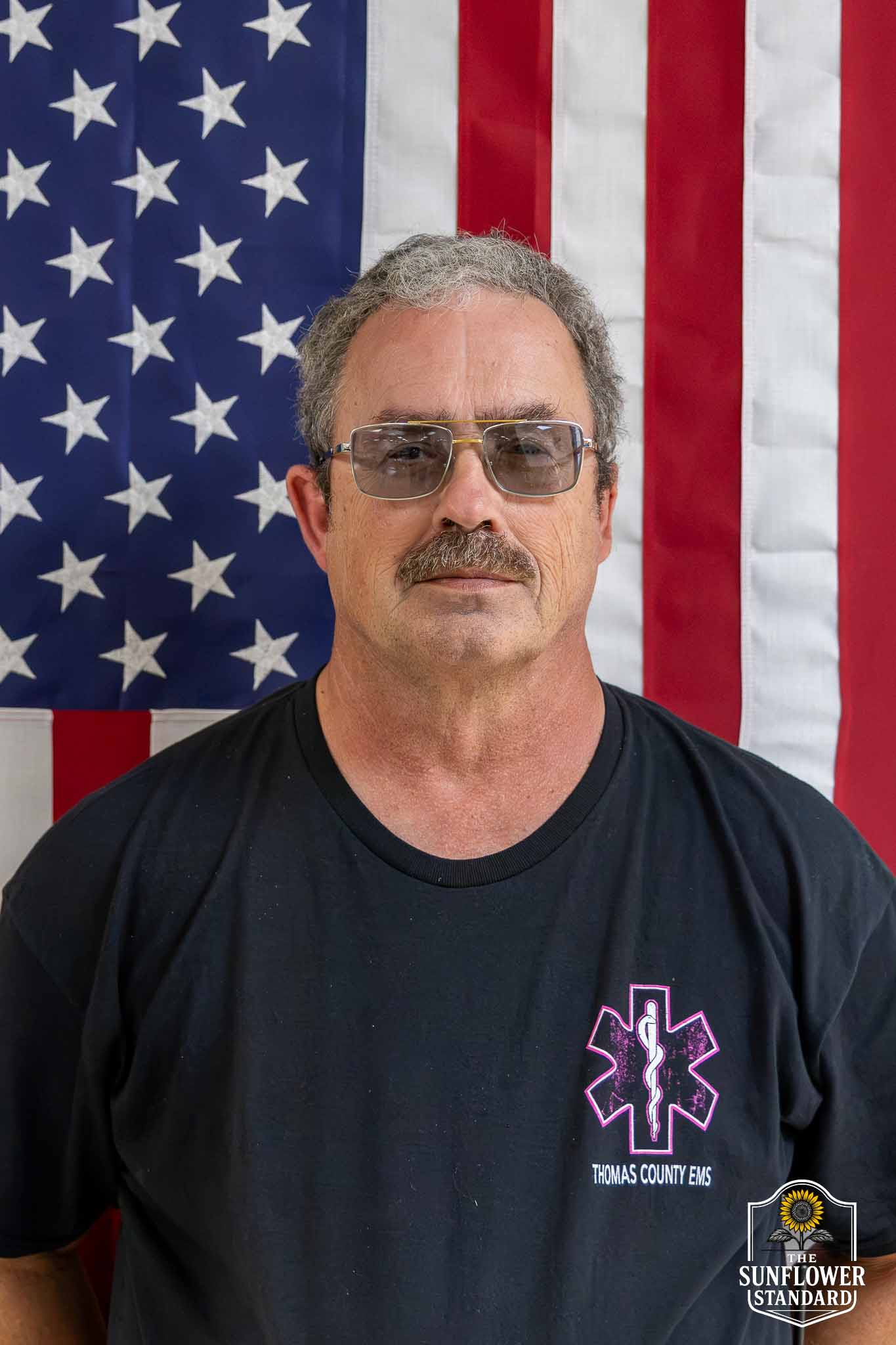
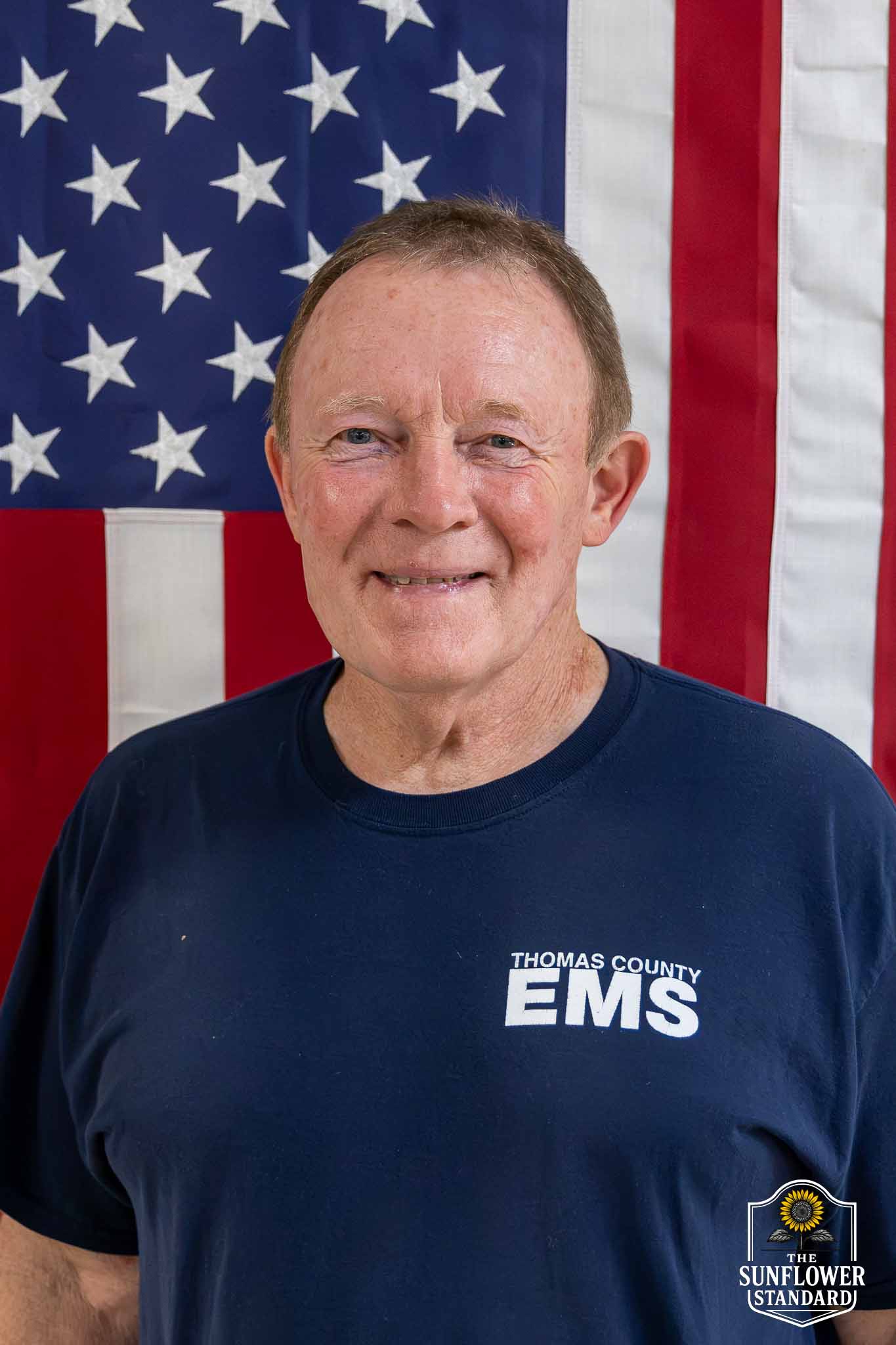
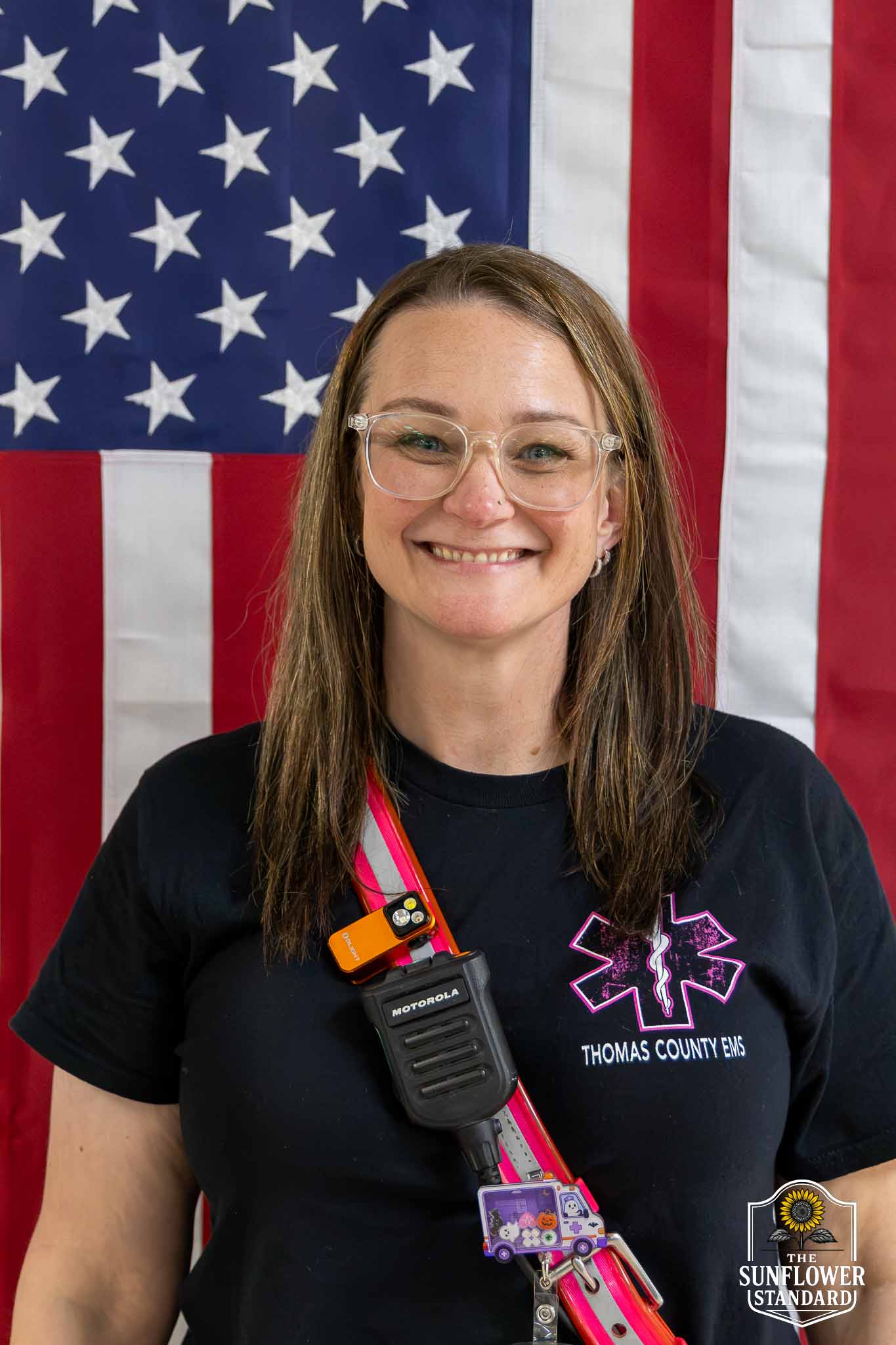
The new devices are one part of the work that happens behind every EMS call. Thomas County EMS relies on nine full-time employees and 14 volunteers to serve the county. Brewster has its own unit under Reese’s oversight, while the department coordinates coverage and support across the county based on each call and available staffing.
That team works long shifts, maintains equipment, completes reports and trains for emergencies that can vary widely. Reese described the job as a constant process of figuring out what is happening with a patient and what care is needed. The department is also building its clinical capacity: during the discussion, Reese said one employee was finishing a paramedic program and another planned to begin training the following year.
Residents can help responders, too. Make sure house numbers are easy to see from the street, large enough to read and visible at night. Use numerals— “13,” for example—instead of spelling out the number. If you call for help at home, turn on outside lights if it is safe to do so.
On the road, stay alert for emergency vehicles and yield to the right when it is safe. Reese noted that sirens can be difficult to hear inside modern vehicles, especially at highway speeds, so drivers should watch for lights and give responders room to pass.
“Seconds and minutes are very important,” Reese said.
The equipment, training and staffing all support the same goal: helping crews provide care when neighbors need it. Thomas County residents can recognize that service by making it easier for EMS to find an address, sharing the road safely and appreciating the people who respond—day or night.