



Colby BOE, Teachers Debate Teacher Dress Code in Special Session
by Derek White
September 10, 2025
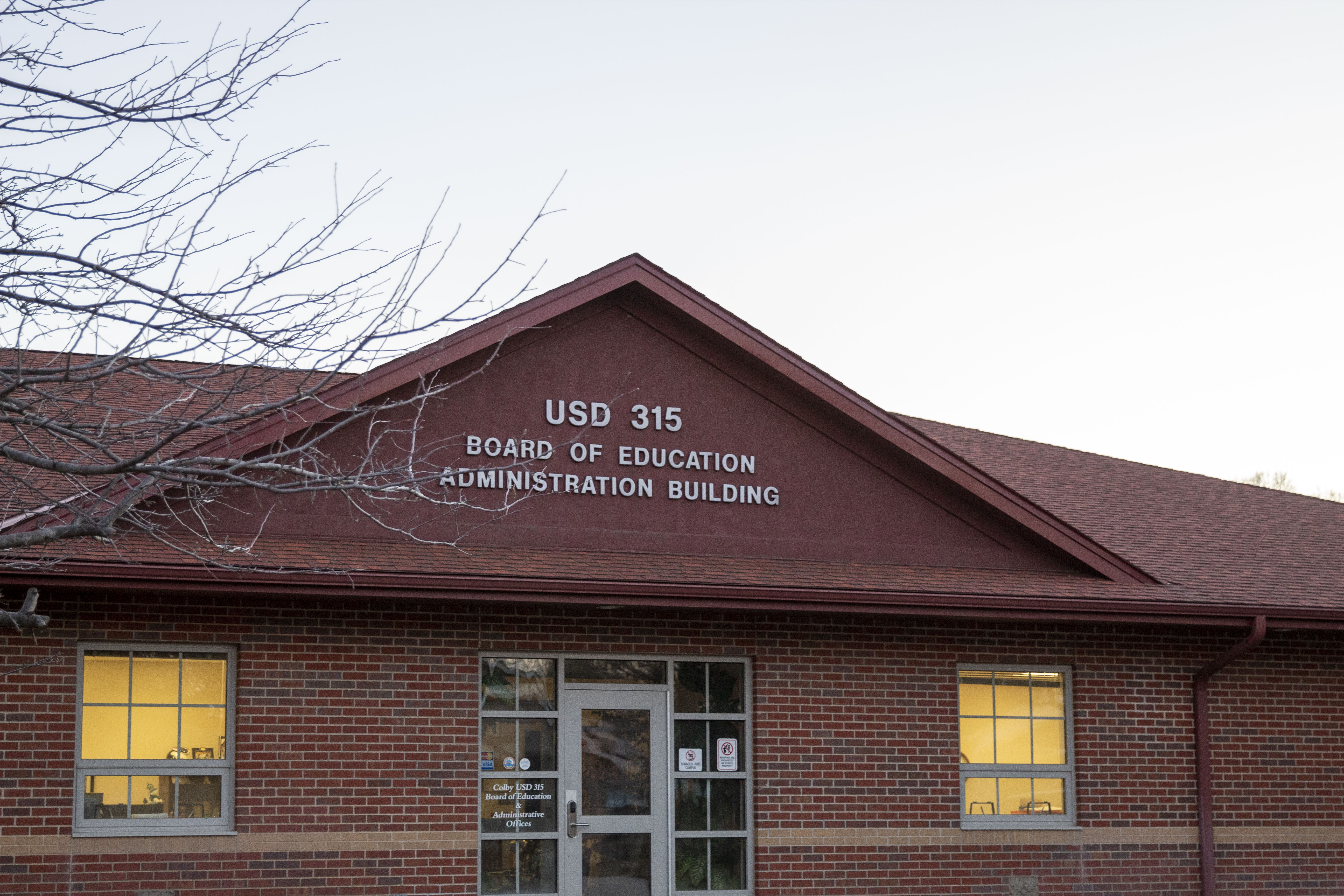
The Colby Public Schools Board of Education and district teacher representatives met in a special session Wednesday evening to negotiate a proposed teacher dress code. The meeting, which drew a small audience of five members of the public, was marked by moments of contention but ultimately demonstrated a shared desire to reach an agreement.
Board members Brandi Wark, Shelby Barnett, and Kris Lemman sat across from teacher representatives Megan Rietcheck, Paige Gawith, and Sherry Kinderknecht in a discussion that at times grew spirited but remained professional. Superintendent Katina Brenn, along with other members of the administration
The session was convened after feedback from the Kansas Association of School Boards (KASB) recommended the district handle teacher attire as part of the negotiated agreement, rather than leaving it solely in the employee handbook.

Teachers voiced strong concerns that the policy’s bulleted restrictions created unnecessary confusion and carried a condescending tone. “The verbiage feels like it doesn’t appreciate us as professionals,” one representative said, noting that principals should have discretion to handle individual issues rather than blanket restrictions.
The most contentious debate centered on T-shirts. Current language allows only Colby Public Schools logo shirts on Fridays. Teachers debated that subject-themed shirts — such as math or English puns — help build connections with students and should be permitted when paired with professional attire. “I dress for my students, not for the parents,” one teacher said. “Fashion can be an avenue for connection.”
Footwear also sparked debate. The board voiced opposition to rubber flip-flops and Crocs, citing professionalism and safety. One teacher pushed back, saying her Crocs help with mobility and even serve as a conversation starter with students.
Board members stressed the policy was never intended to insult teachers but to provide clarity after principals struggled to enforce vague guidelines. “We’re not trying to strip away individuality,” Barnett explained. “We just need clear language, so administrators and staff are on the same page.”
Kris Lemman added that while jeans, leggings, and athletic wear may be acceptable in certain contexts, the board wanted standards that balanced professionalism with practicality. “We want teachers to dress their role, but also maintain a professional image for the classroom,” Lehman said.
After a brief recess, both sides returned to review a second draft of the dress code. The discussion focused on modifying language around jeans, footwear, and “professional appearance,” as well as allowing exceptions for religious or cultural reasons.

Though no final vote was taken, progress was made toward clarifying expectations while preserving teacher flexibility. The meeting ended with agreement to continue refining language in the negotiated agreement, with hopes of finalizing a workable policy by the next Board meeting on September 15.